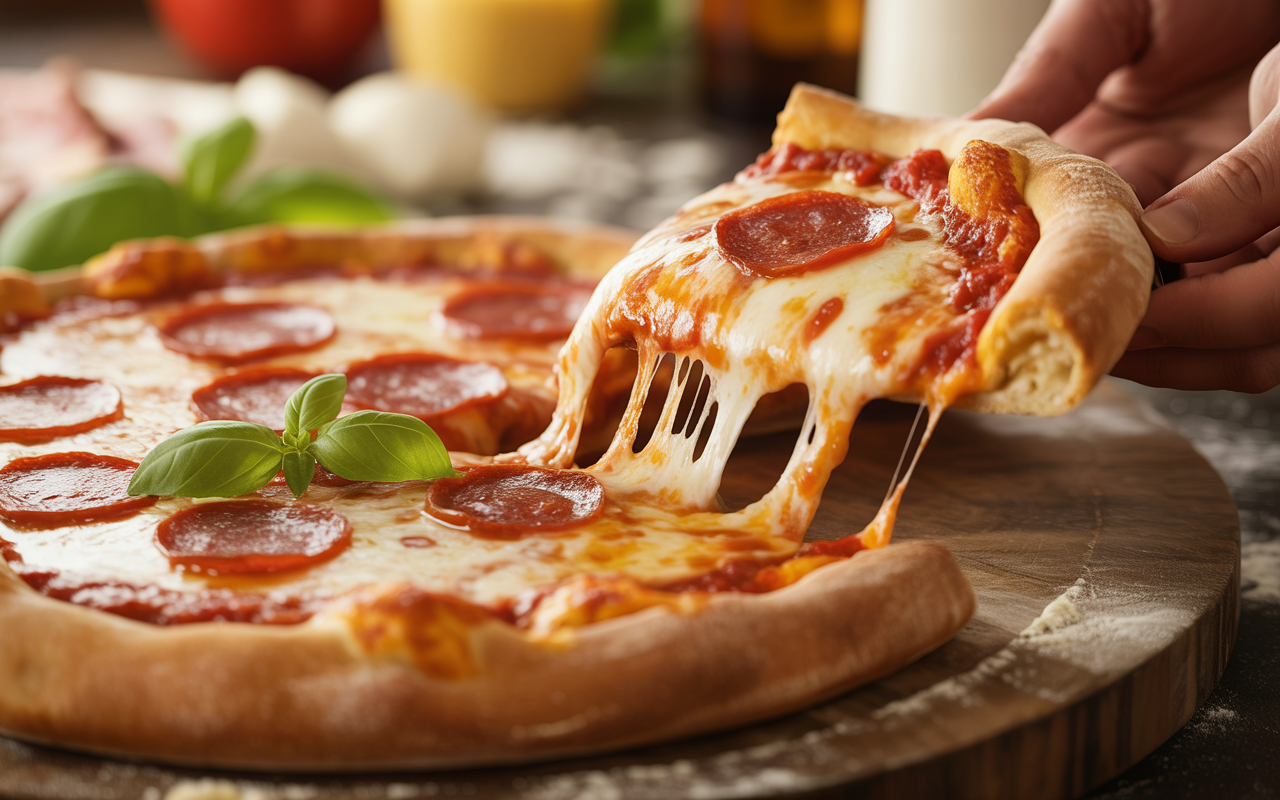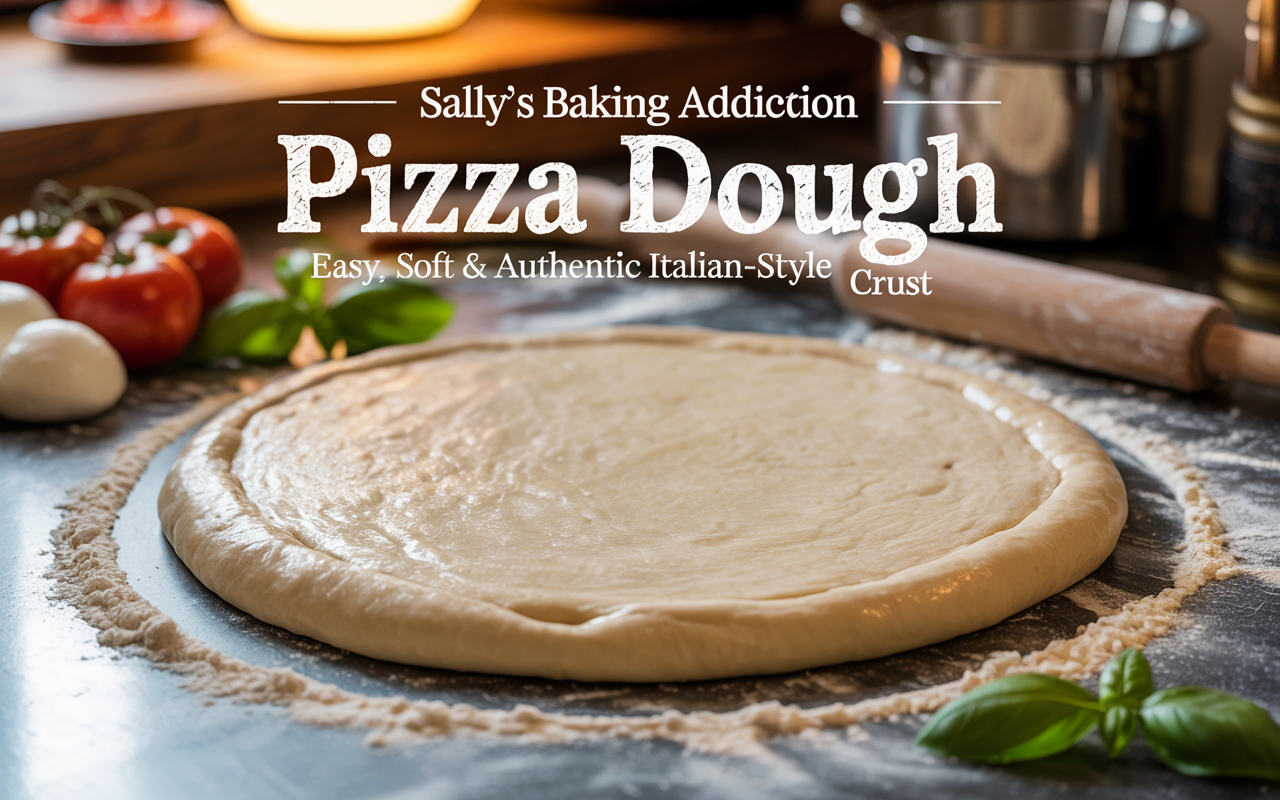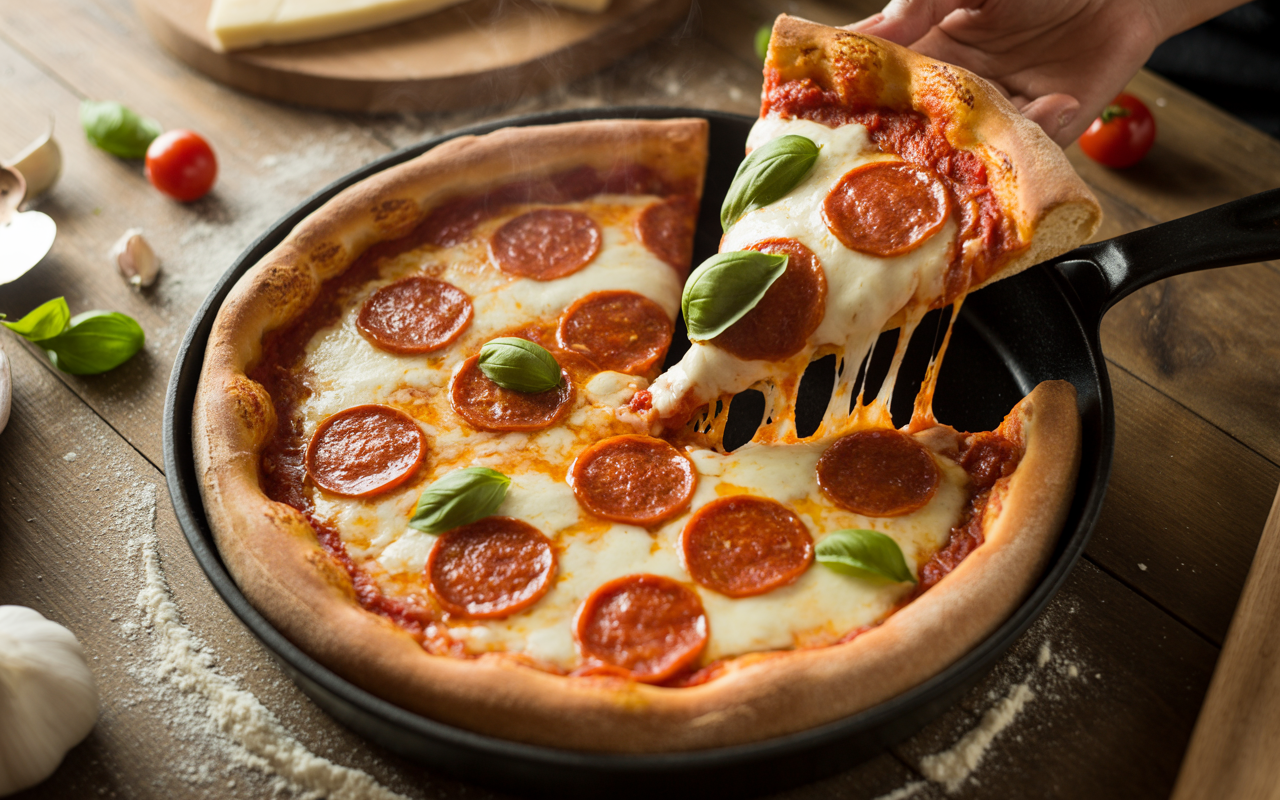


The Ultimate Guide to Sourdough Pizza Recipes: Crispy, Tangy, and Irresistible
There’s something magical about making pizza with sourdough. The crust develops this incredible depth of flavor — slightly tangy, earthy, and complex — that you simply don’t get with instant yeast. Combine that with a blistered, airy texture and the aroma of fresh-baked bread, and you’ve got a pizza that makes everyone stop mid-bite and say, wow.
I’ve been experimenting with sourdough pizza recipes for years. Sometimes my dough turned out too dense. Other times the crust was more sour than I wanted. But after tweaking hydration levels, fermentation times, and baking methods, I’ve landed on a recipe that’s both authentic and forgiving. Today, I’m sharing everything you need to know so you can bring the magic of sourdough pizza into your own kitchen.
Why Sourdough Pizza?
Sourdough is not just about flavor. It’s about tradition. Long before commercial yeast was a thing, bakers relied on wild fermentation. Sourdough captures natural yeast and bacteria, creating dough that’s more digestible and full of character. When you bite into a sourdough pizza crust, you taste history — and it’s delicious.
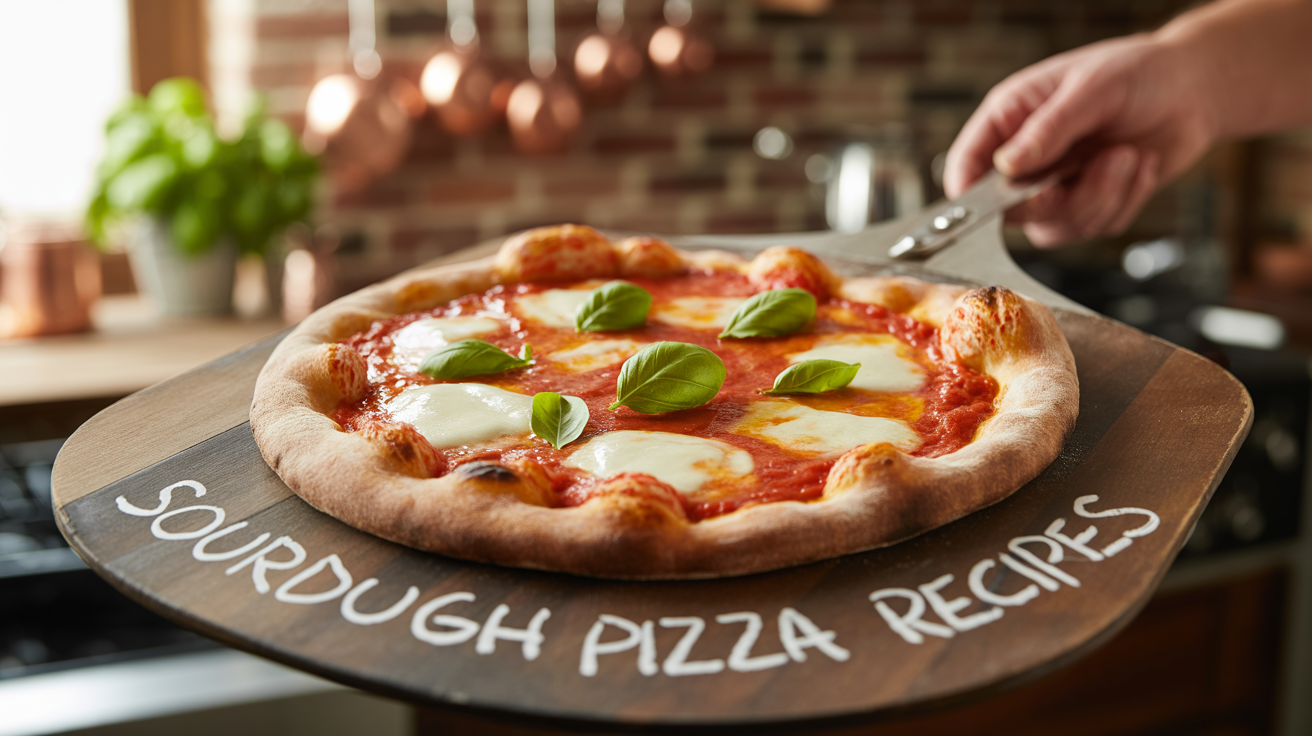
The tang pairs beautifully with fresh tomato sauce, creamy mozzarella, and any topping you can imagine. Whether you’re making a simple Margherita or a bold seafood or veggie pie, sourdough elevates it.
Ingredients You’ll Need
Here’s my go-to recipe. It makes two large pizzas with perfectly airy crusts.
| Ingredient | Measurement |
|---|---|
| Active sourdough starter | 100 g (½ cup) |
| Bread flour | 500 g (4 cups) |
| Warm water | 325 ml (1 ⅓ cups) |
| Olive oil | 2 tbsp |
| Salt | 10 g (2 tsp) |
| Semolina (for dusting) | As needed |
| Tomato sauce (homemade or canned San Marzano) | 1 cup |
| Fresh mozzarella | 200 g (7 oz) |
| Fresh basil leaves | A handful |
Step-by-Step Instructions
Here’s how I make my sourdough pizza dough and turn it into a masterpiece.
Step 1: Feed Your Starter
Make sure your starter is active and bubbly. Feed it about 4–6 hours before mixing your dough.
Step 2: Mix the Dough
- In a large bowl, mix flour and water until combined. Let it rest for 30 minutes (this is autolyse).
- Add sourdough starter and salt. Mix until dough forms.
Step 3: Stretch and Fold
Over the next 2 hours, perform 4 sets of stretch-and-folds every 30 minutes. This develops gluten and gives structure.
Step 4: Bulk Fermentation
Cover the dough and let it rest at room temperature for 4–6 hours until it doubles. For deeper flavor, transfer to the fridge and ferment overnight (up to 24 hours).
Step 5: Shape the Dough
- Divide dough into two balls.
- Let them rest at room temperature for 1–2 hours.
- Gently stretch each ball into a pizza round. Avoid rolling pins — they press out the air pockets.
Step 6: Assemble
- Place dough on a floured peel or baking sheet.
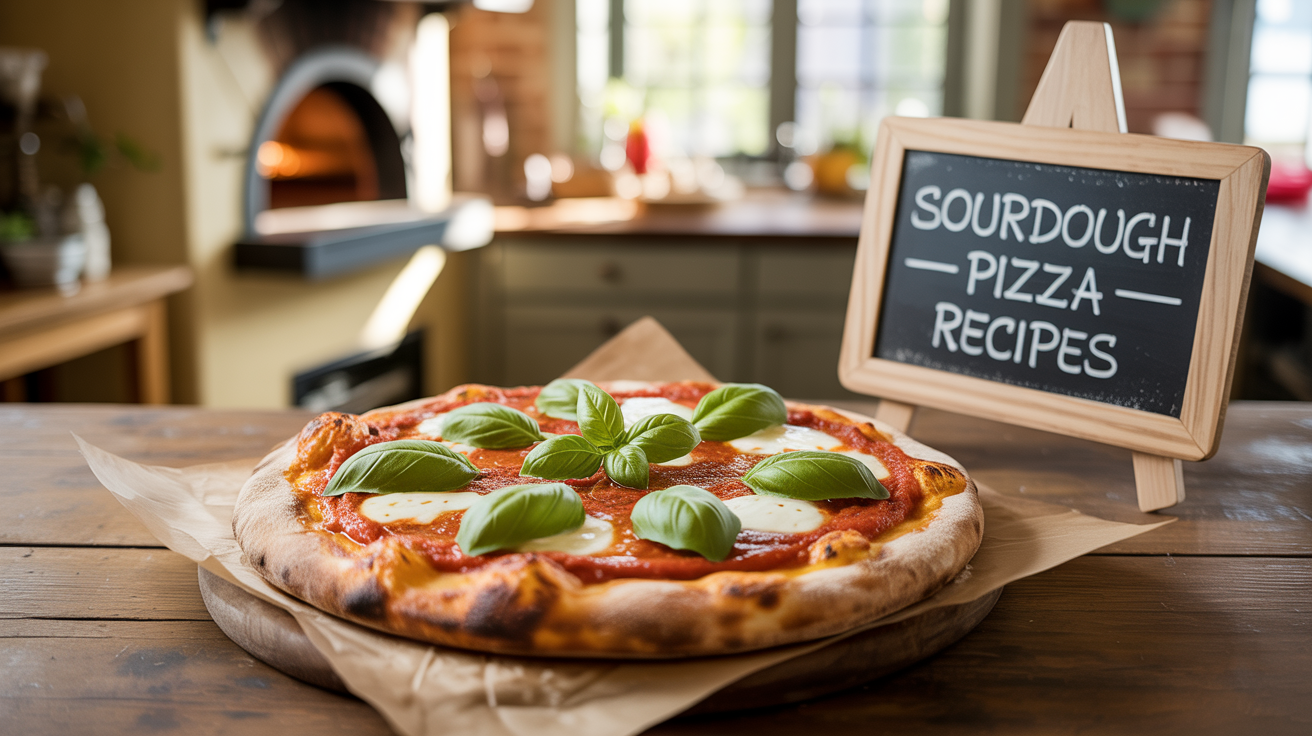
- Spread tomato sauce evenly.
- Tear mozzarella into chunks and scatter across.
- Add basil leaves.
Step 7: Bake
- Preheat oven to its highest setting (250°C / 480°F). If you have a pizza stone or steel, heat it for at least 45 minutes.
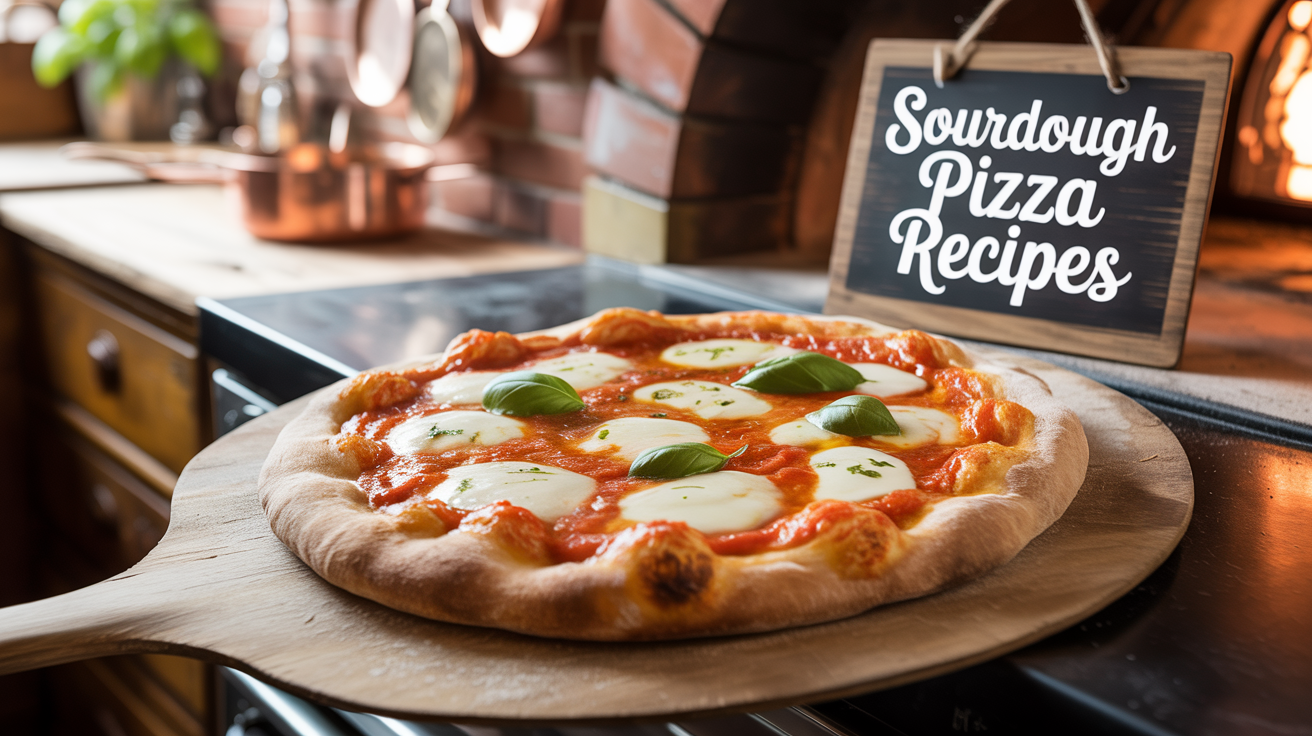
- Bake pizza for 7–10 minutes until crust is blistered and cheese bubbling.
Tips & Tricks for the Best Sourdough Pizza
- Hydration matters. My recipe is about 65% hydration, which gives a chewy but manageable dough. If you’re experienced, push it higher for extra airiness.
- Cold ferment for flavor. Overnight in the fridge develops tang and complexity.
- Use semolina. Dusting your peel or pan with semolina prevents sticking and adds crunch.
- Don’t overload toppings. Sourdough crust deserves the spotlight — keep toppings balanced.
- High heat = magic. The hotter your oven (or better, wood-fired oven), the better your crust.
- Experiment. Try white pizzas, seafood, roasted veggies, or even dessert pizzas with this dough.
FAQs About Sourdough Pizza Recipes
1. Can I use all-purpose flour instead of bread flour?
Yes, but bread flour gives better chew and structure.
2. My dough is too sticky. What do I do?
Wet your hands before handling or add a tiny bit of flour. Don’t overdo it — stickiness means hydration, which makes airy crust.
3. Do I need a pizza stone?
No, but it helps. A steel or cast iron pan also works beautifully.
4. How sour will it taste?
That depends on fermentation time. Shorter = mild tang. Longer = deeper sourness.
5. Can I freeze sourdough pizza dough?
Absolutely. Freeze after bulk fermentation, then thaw in the fridge overnight before shaping.
6. How do I know when my starter is ready?
It should double in size after feeding and pass the float test (a spoonful floats in water).
Final Thoughts
Making pizza with sourdough is more than just following a recipe. It’s about slowing down, letting nature do its work, and tasting the rewards of patience. Every bite of this crust tells a story — of wild yeast, of Italian tradition, and of your own hands shaping something extraordinary.
This sourdough pizza recipe has become a staple in my home. Friends ask for it, family gathers around it, and every time I bake it, I feel a little more connected to the long history of bread and pizza makers who came before me.
So, feed your starter, flour your counter, and get ready to create a pizza that’s unlike anything from a delivery box. Trust me — once you try it, sourdough will become your favorite way to make pizza. Buon appetito!
See Also: Sicilian Style Pizza Recipe | Authentic Pan-Baked Italian Classic