
The Authentic Vito Iacopelli Pizza Dough Recipe: Perfect Neapolitan Pizza at Home
There are pizza dough recipes—and then there’s the Vito Iacopelli pizza dough recipe. If you’ve ever watched Chef Vito on YouTube, you know he’s not just teaching pizza; he’s teaching passion. He makes you feel like you’re standing in a bustling pizzeria in Naples, the smell of flour and yeast floating in the air, the wood-fired oven glowing in the corner.
I’ve been obsessed with perfecting this style of dough for years. I tried shortcuts, I experimented with hydration levels, I even cheated with pre-made dough a few times (don’t judge me). But nothing—absolutely nothing—comes close to the airy, chewy, beautifully blistered crust that comes from making dough the Vito Iacopelli way.
If you want to create real, authentic Neapolitan-style pizza at home—one that makes you close your eyes at the first bite—this is the recipe you need. And I’ll walk you through every step with all the little tricks I’ve learned after making it dozens of times.
Why the Vito Iacopelli Pizza Dough Recipe Works
Here’s the thing about great pizza dough: it’s simple. Flour, water, yeast, salt. But the magic lies in the details—hydration levels, fermentation time, handling the dough with care instead of aggression.
Vito’s method respects the traditions of Naples while making it accessible to home cooks. The secret? Long fermentation. We’re talking 24–72 hours in the fridge. That slow rise gives the dough depth of flavor, incredible texture, and digestibility. No more heavy, bloat-inducing crust. Instead, you get something that feels light yet satisfying.
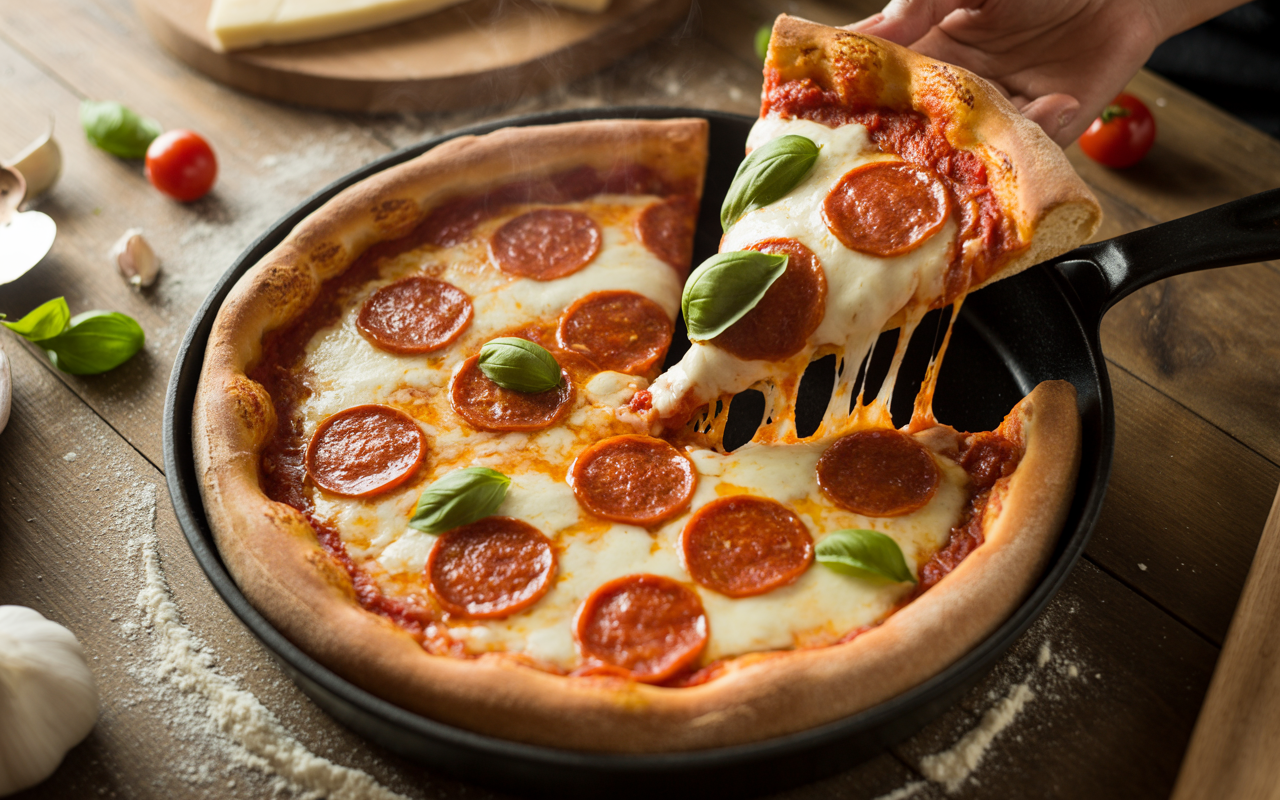
And don’t worry—you don’t need a wood-fired oven (though it helps). I’ll show you how to get as close as possible using a baking steel, stone, or even a cast iron pan.
Ingredients and Measurements
Here’s the base recipe, adjusted for home cooking while staying true to Vito Iacopelli’s original pizza dough recipe.
| Ingredient | Measurement |
|---|---|
| Tipo 00 flour (Caputo preferred) | 500 g (about 4 cups) |
| Water (room temperature) | 325 g (about 1 ⅓ cups) |
| Fresh yeast | 2 g (or ½ tsp active dry yeast) |
| Salt | 15 g (about 2 ½ tsp) |
Optional for added flavor: A drizzle of extra virgin olive oil (Vito himself usually keeps it pure, but I sometimes add a touch).
Step-by-Step Instructions
This is where the magic begins. Take your time. Enjoy the process. Making dough should never feel like a chore—it’s a ritual.
Step 1: Mix the Dough
- In a large bowl, dissolve the yeast in the water.
- Slowly add the flour, mixing by hand or with a wooden spoon.
- Once it starts to come together, add the salt. (Never add yeast and salt together directly—they don’t get along well.)
You’ll notice the dough is sticky at first. That’s good. Resist the urge to add more flour. Stickiness means hydration, and hydration means an airy, open crumb.
Step 2: Knead with Love
Turn the dough onto a clean surface. Knead gently for about 10 minutes. The goal isn’t to punish the dough; it’s to stretch and fold until it becomes smooth and elastic.
Pro tip: Vito often uses the “slap and fold” method. Lift the dough, slap it down, fold it over itself, repeat. It’s fun, messy, and incredibly effective.
Step 3: First Rest
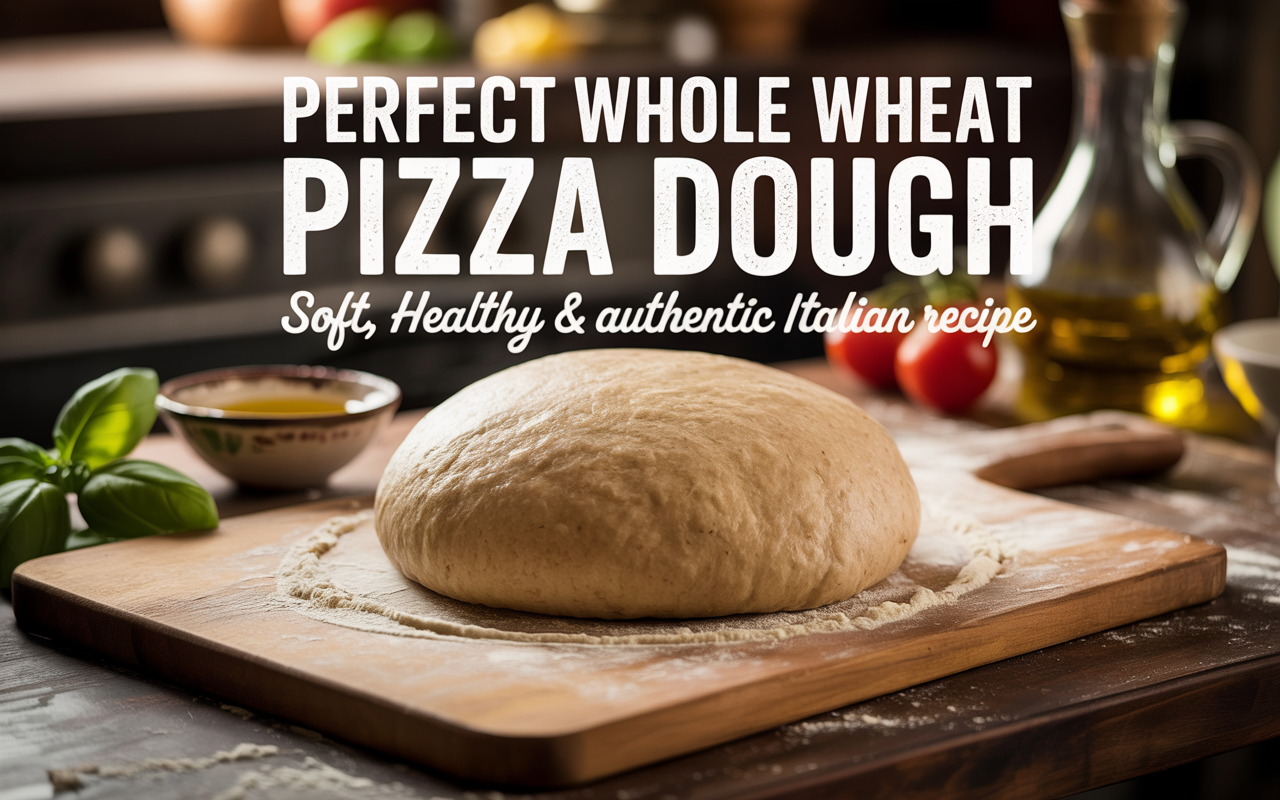
Form the dough into a ball, place it back in the bowl, cover it with a damp cloth, and let it rest for 2 hours at room temperature.
This is where the yeast wakes up and says, “Okay, let’s do this.”
Step 4: Cold Fermentation
After 2 hours, move the dough to the fridge. Let it sit for 24–72 hours. Yes, patience is part of the recipe. But believe me, the difference is night and day.
The longer it ferments, the more flavorful and airy your crust will be.
Step 5: Balling the Dough
About 4–5 hours before baking, take the dough out of the fridge. Divide it into equal portions (around 250 g each for a classic Neapolitan pizza). Shape them into tight balls and let them rest, covered, at room temperature.
This final proof is crucial. The dough balls should relax and puff up beautifully.
Step 6: Shaping the Pizza
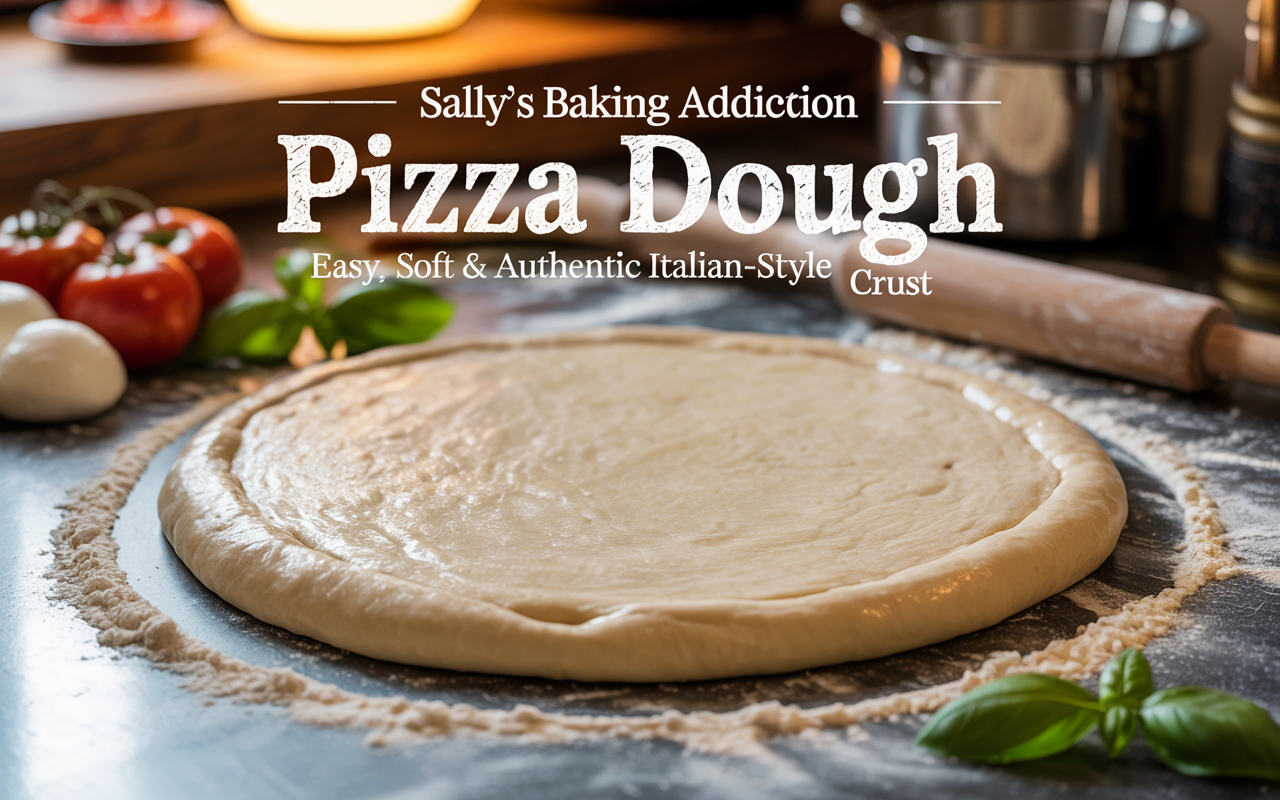
Dust your work surface with flour. Take one dough ball and press it gently from the center outwards. Don’t use a rolling pin—you want to keep those bubbles alive.
Stretch it into a circle, leaving a slightly thicker rim. This will puff into that irresistible cornicione (the airy crust edge).
Step 7: Bake Like a Pro
- Preheat your oven to its absolute maximum (250°C / 480°F). If you have a baking steel or stone, place it inside while the oven heats.
- Add your toppings—less is more. A simple Margherita with San Marzano tomatoes, mozzarella di bufala, basil, and olive oil is perfection.
- Slide the pizza onto the hot surface and bake for 6–8 minutes (or less if using a pizza oven).
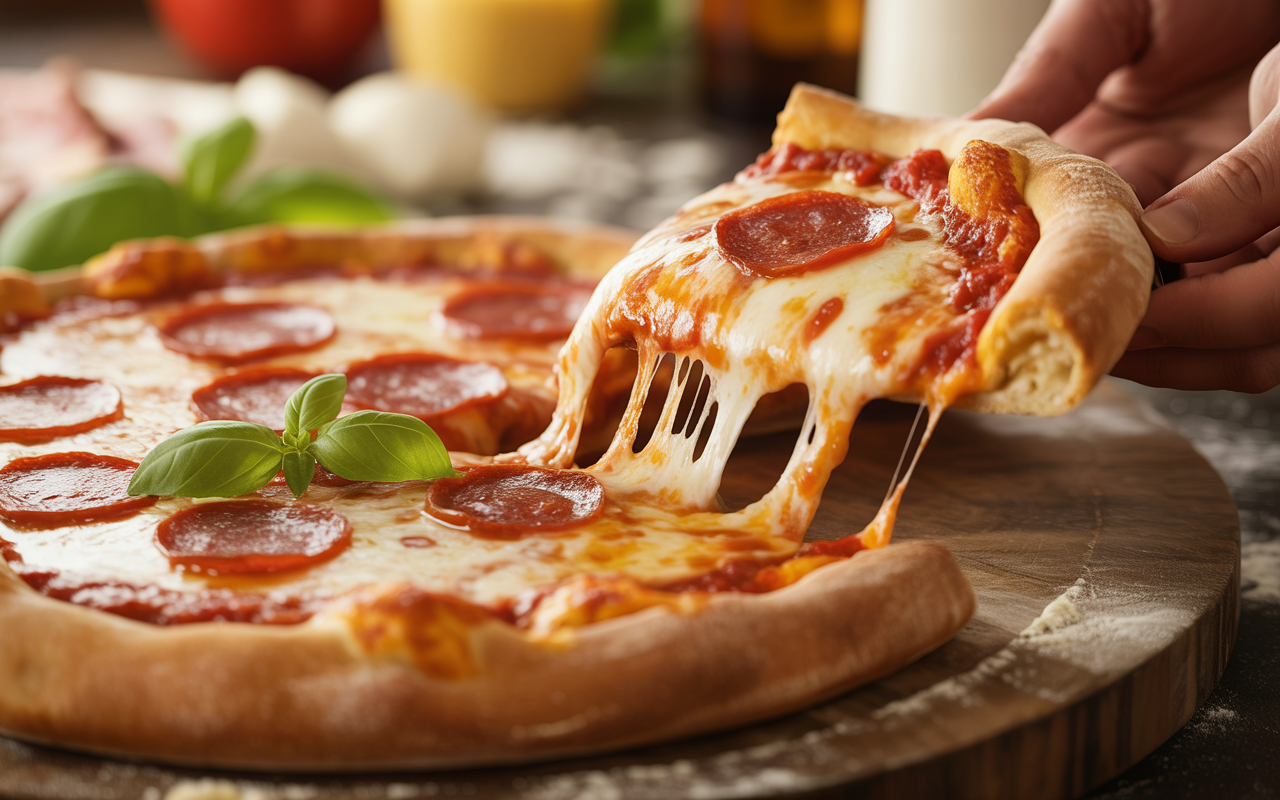
The result? Leopard-spotted crust, gooey cheese, and flavors that transport you straight to Naples.
Tips & Tricks from My Kitchen
- Flour matters. Use Tipo 00 flour if possible. It’s finely milled and made for pizza.
- Hydration is key. Don’t skimp on water. A wetter dough = better crust.
- Fermentation patience. If you’re in a rush, you can do same-day dough, but you’ll miss out on that deep, complex flavor.
- Handling. Treat the dough like a baby. Gentle hands mean airy crust.
- Baking surface. If you don’t own a baking steel, invest in one. It’s the closest you’ll get to a brick oven.
Frequently Asked Questions
Q: Can I freeze Vito Iacopelli pizza dough?
Yes! After balling, wrap each portion in plastic wrap and freeze. Thaw overnight in the fridge, then bring to room temp before using.
Q: What if I can’t find Tipo 00 flour?
You can use bread flour, but add slightly less water. Tipo 00 gives the most authentic texture.
Q: How long should I ferment the dough?
Minimum 24 hours, but if you can wait 48–72, you’ll taste the difference.
Q: Can I use instant yeast instead of fresh?
Absolutely. Use about half the amount (1 g instant yeast for 500 g flour).
Q: Do I need a pizza oven?
Nope! A home oven with a baking steel or stone can create stunning results. But if you love pizza, a portable pizza oven like the Ooni is worth every penny.
Final Thoughts
There’s something deeply satisfying about pulling a blistered, airy pizza from your oven, knowing you nurtured that dough for days. This isn’t just about feeding yourself; it’s about creating a connection to tradition, to Naples, to the heart of Italian food culture.
The Vito Iacopelli pizza dough recipe proves that with patience, respect for ingredients, and a little practice, anyone can create world-class pizza at home.
So grab some Tipo 00 flour, clear your counter, and start kneading. Trust me—once you’ve made this dough, you’ll never look back. Your Friday night pizzas will never be the same again.
See Also: Vegetable Pizza Recipe with Crescent Rolls | Easy & Delicious Appetizer