
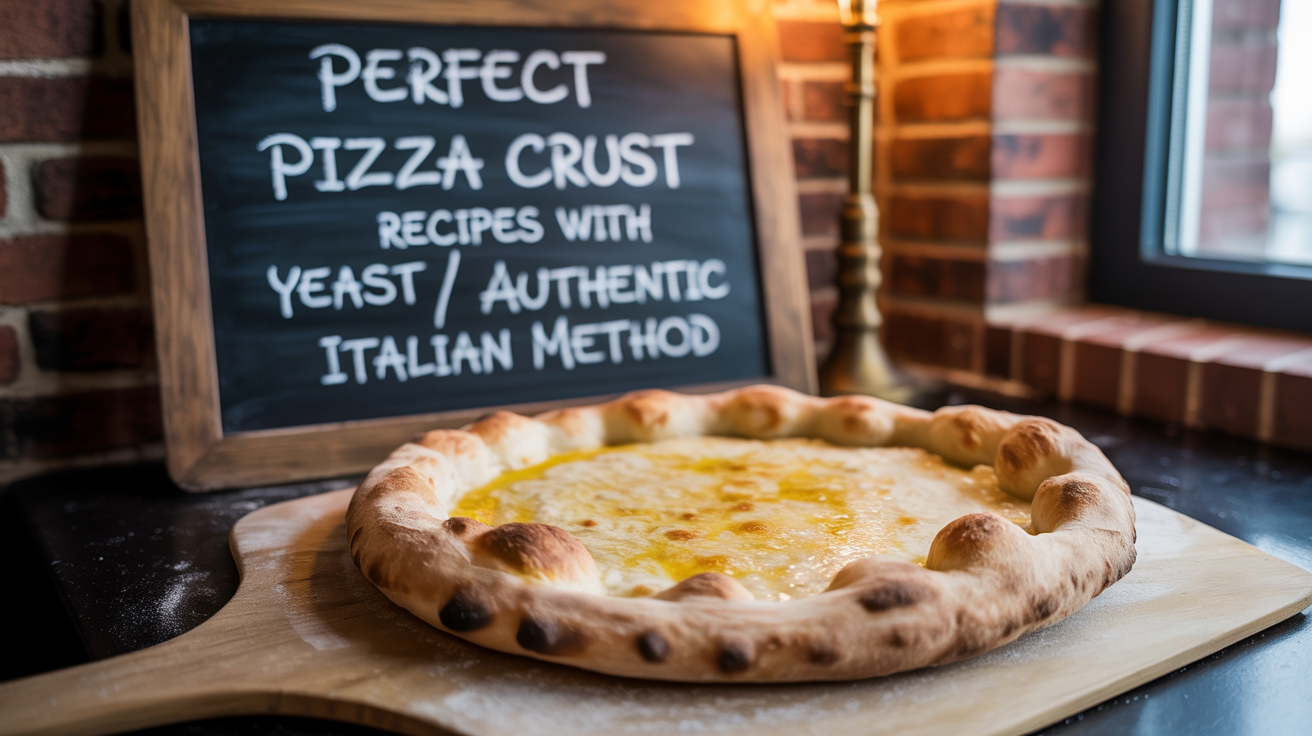
The Perfect Pizza Crust Recipes with Yeast: My Italian Kitchen Secret
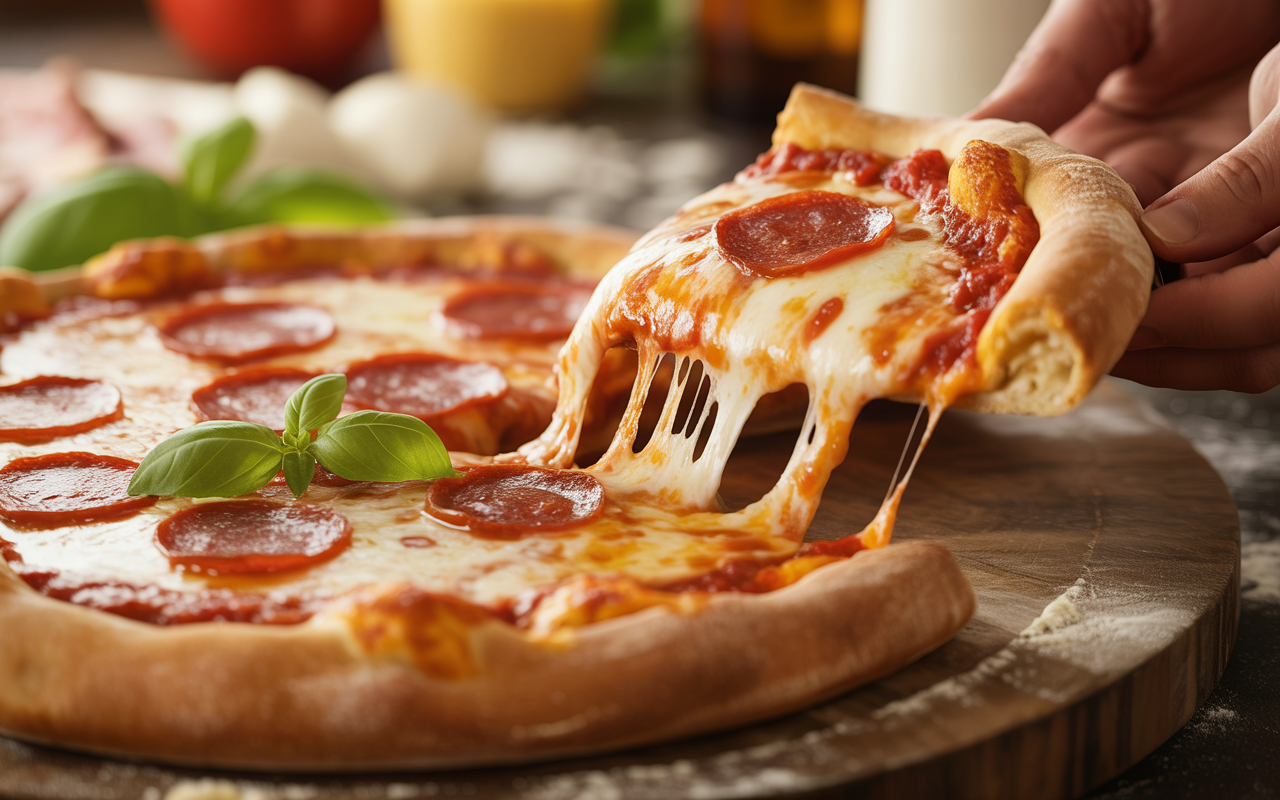
There’s something magical about baking with yeast. The way a small packet of granules brings flour and water to life never stops amazing me. And when it comes to pizza crust recipes with yeast, I can honestly say—this is where my heart lives.
Because let’s be honest: the pizza crust makes or breaks the whole pie. You can pile on the finest mozzarella, garden-fresh tomatoes, or prosciutto straight from Parma, but if your crust is flat, tough, or flavorless? The pizza just won’t sing.
Over the years, after countless late-night experiments, flour-dusted aprons, and family taste tests, I’ve honed my method for creating pizza dough that’s flavorful, airy, and just the right balance of chewy and crisp. And today, I want to walk you through exactly how I do it—step by step—so you can make an authentic, restaurant-quality pizza crust right in your own kitchen.
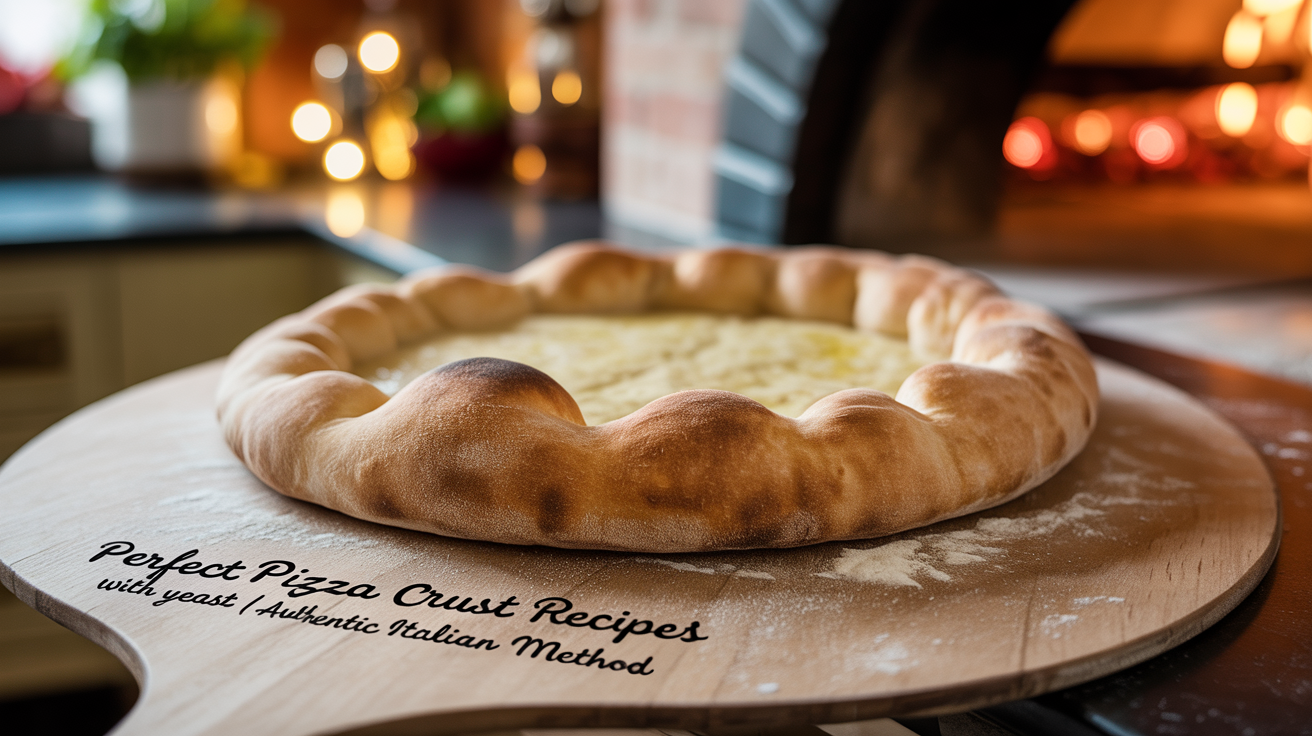
Ingredients You’ll Need (and Why They Matter)
Let’s start with the basics. Making a yeast-based pizza dough doesn’t require a long shopping list, but every ingredient plays a key role in the final crust.
Here’s my go-to recipe:
| Ingredient | Measurement | Notes |
|---|---|---|
| Bread flour | 4 cups (500g) | High-protein flour = more gluten, better chew |
| Warm water (110°F) | 1 ½ cups (360ml) | Not too hot, not too cold—yeast loves it warm |
| Active dry yeast | 2 ¼ tsp (1 packet, 7g) | Gives rise, flavor, and texture |
| Olive oil | 2 tbsp | Adds richness and elasticity |
| Sugar (or honey) | 1 tsp | Feeds the yeast for a better rise |
| Salt | 1 ½ tsp | Essential for flavor control |
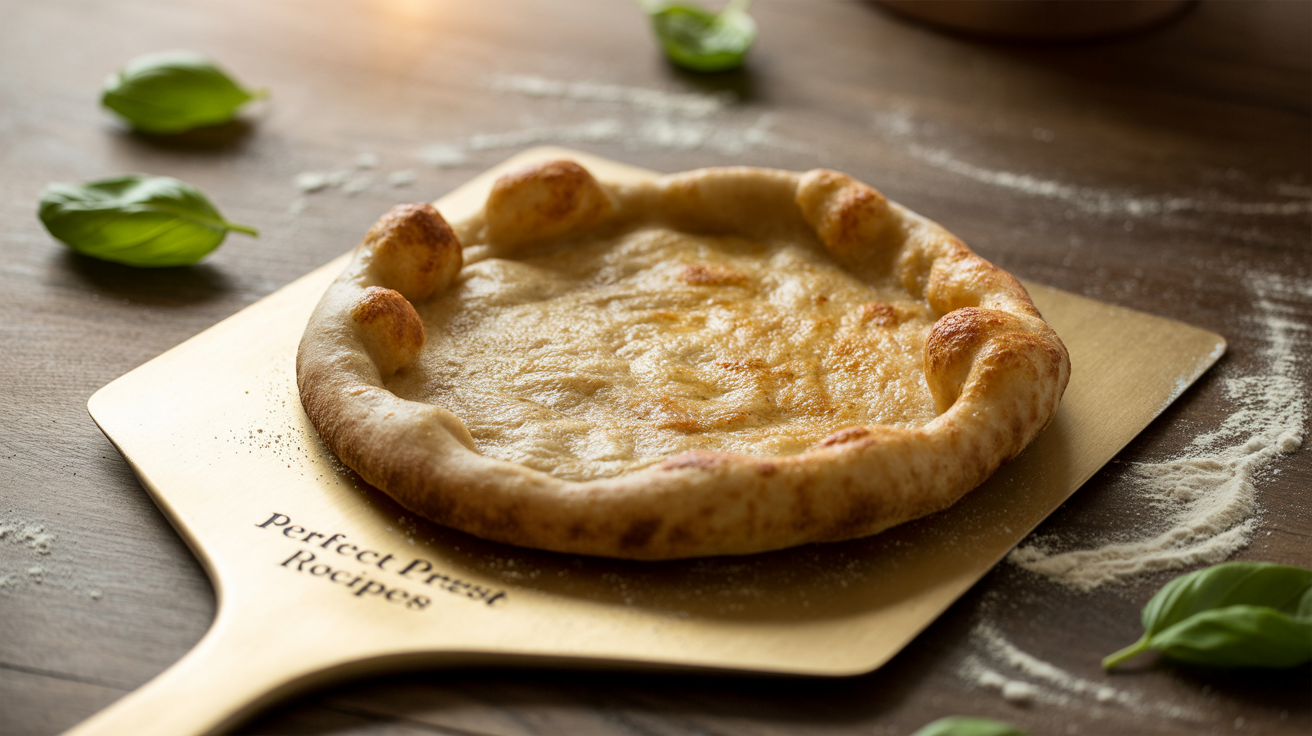
Step-by-Step Instructions: Making Pizza Crust with Yeast
Here’s where the fun (and the flour dust) begins.
1. Proof the Yeast
- In a small bowl, combine warm water, sugar, and yeast.
- Stir gently and let it sit for 5–10 minutes.
- You’ll see a bubbly, foamy layer forming on top—that’s the yeast telling you it’s alive and ready to work.
Chef’s Note: If nothing happens, toss it. Old yeast = flat crust.
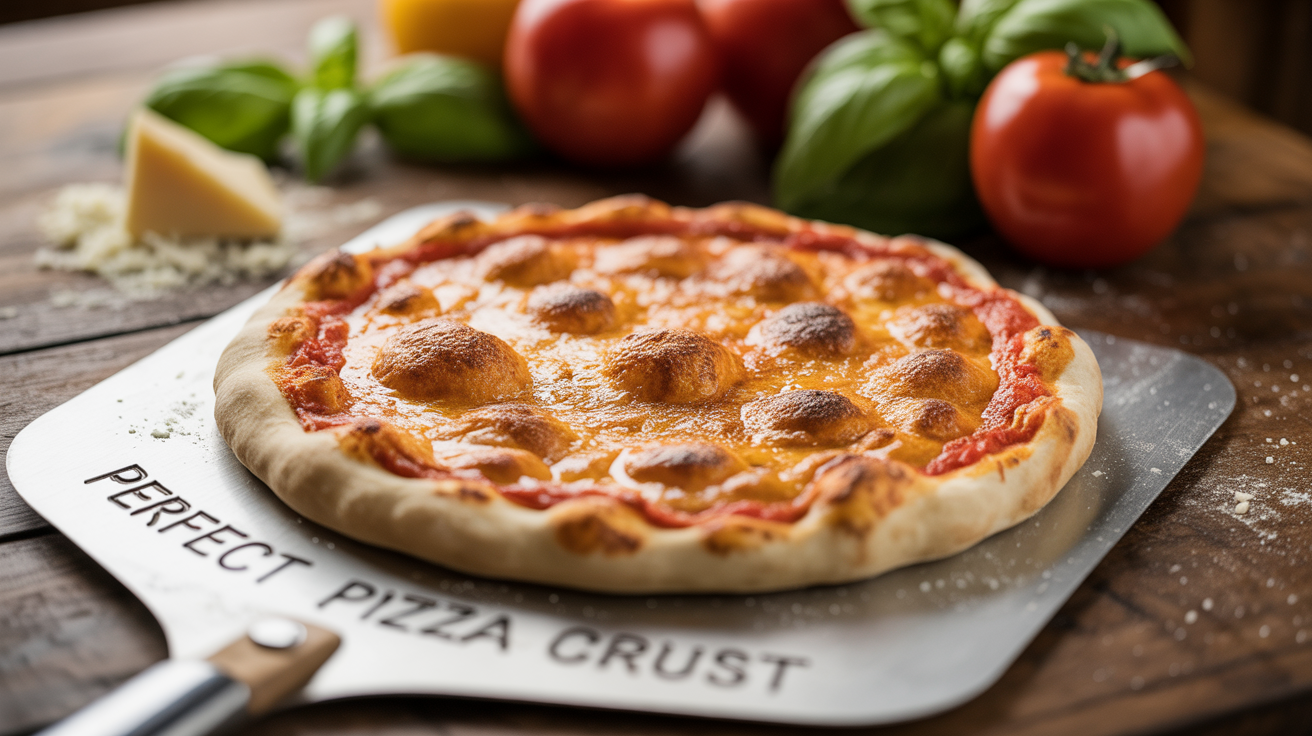
2. Mix the Dough
- In a large mixing bowl, combine the flour and salt.
- Make a well in the center and pour in the proofed yeast mixture along with olive oil.
- Stir with a wooden spoon until it forms a shaggy dough.
At this stage, don’t worry about perfection. The dough should be sticky—that’s a good sign.
3. Knead Like You Mean It
- Turn the dough out onto a floured surface.
- Knead for 8–10 minutes, pushing and folding until the dough becomes smooth and elastic.
Tip: If it’s sticking too much, dust with a little flour. But don’t overdo it—too much flour will toughen the crust.
This is the part I secretly love. There’s something grounding about working dough with your hands, feeling it change beneath your palms.
4. First Rise
- Place the dough in a lightly oiled bowl.
- Cover with a damp towel or plastic wrap.
- Let it rise for 1–2 hours in a warm, draft-free spot.
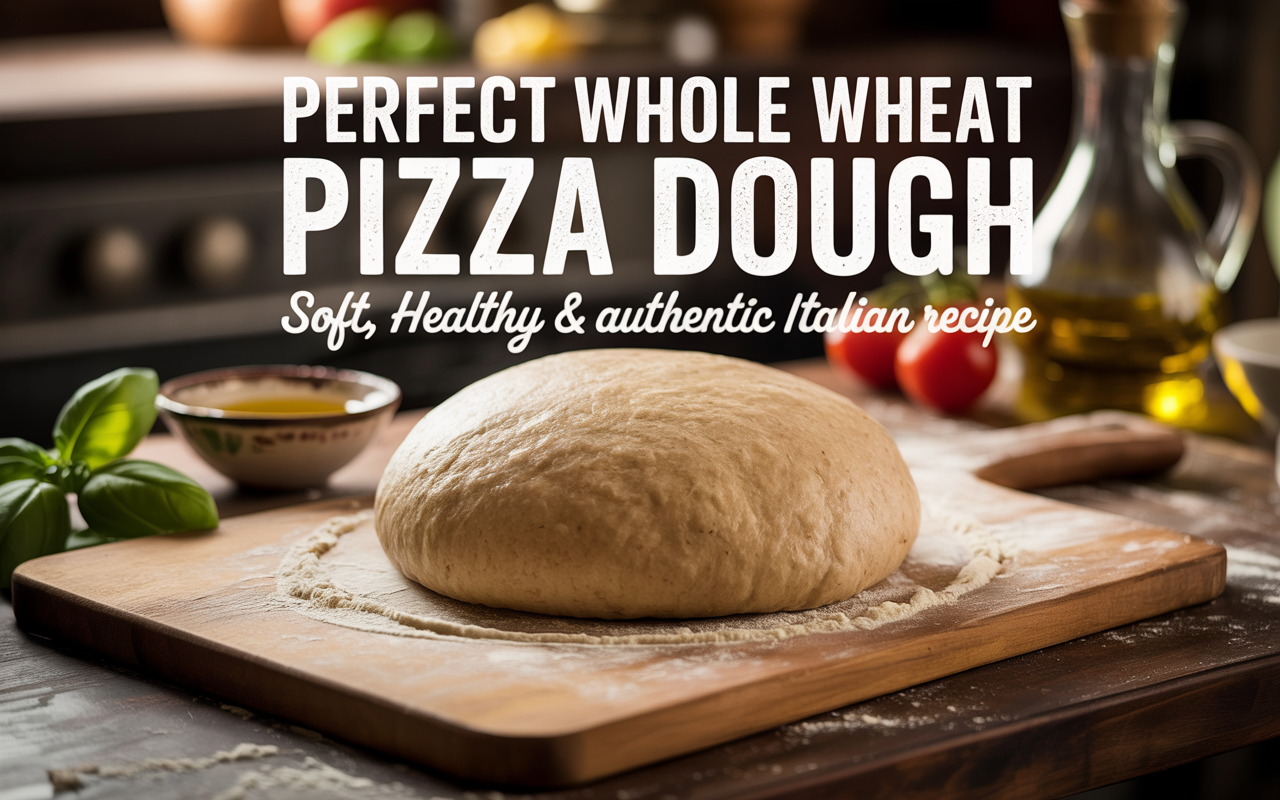
It should double in size, puffing up into a pillowy masterpiece.
5. Punch Down & Second Rise
- Gently punch down the dough to release air.
- Divide into portions depending on how many pizzas you’re making (this recipe makes two 12-inch crusts).
- Shape into balls, cover, and let them rise another 30 minutes.
This second rise creates a lighter, airier crust.
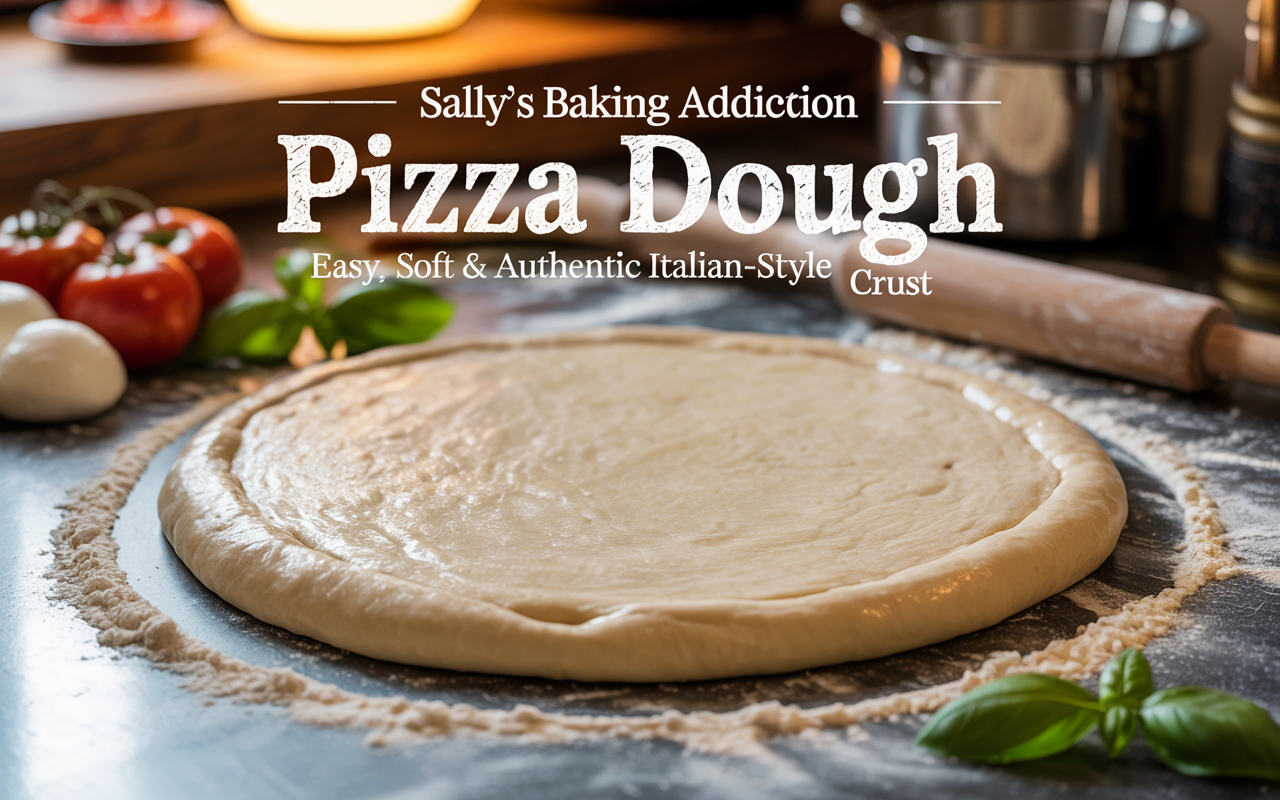
6. Shape the Crust
Here’s where personal style comes in. Do you love a paper-thin Roman crust, or a slightly puffier Neapolitan one?
- For thin crust pizza, roll the dough out with a rolling pin.
- For chewier crust, stretch it by hand, gently pulling from the center outward.
Dust your peel or pan with semolina or cornmeal to prevent sticking.
7. Bake to Perfection
- Preheat your oven to its hottest setting (usually 475–500°F / 250–260°C). If you have a pizza stone, let it heat for at least 30 minutes.
- Add your favorite toppings. Less is more—don’t drown your crust.
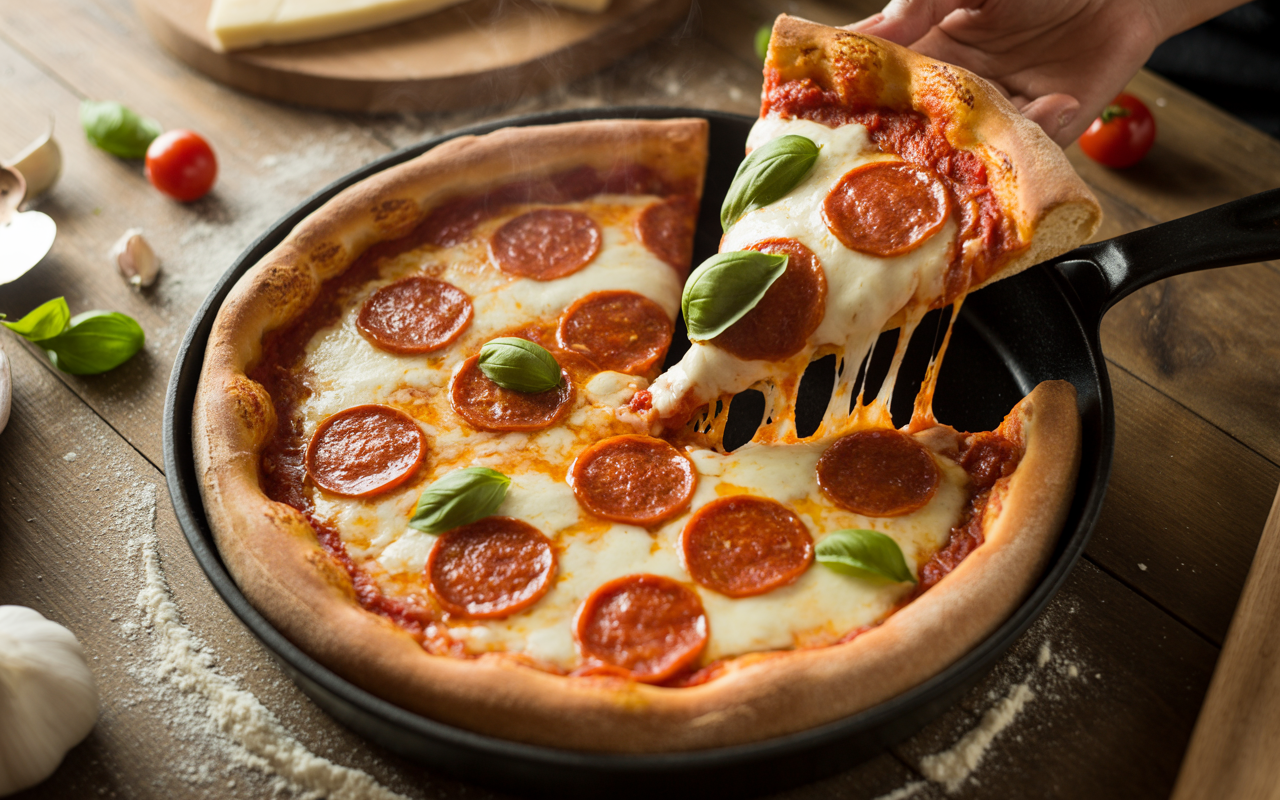
- Bake for 8–12 minutes, until the crust is golden, crisp, and blistered.
Tips & Tricks for the Best Yeast Pizza Crust
Here’s what I’ve learned after years of tinkering:
- Use bread flour, not all-purpose. The higher protein creates better gluten, which equals a chewier, more authentic crust.
- Don’t rush the rise. Time = flavor. Overnight fermentation in the fridge develops even deeper taste.
- Invest in a pizza stone or steel. The heat retention gives you that crisp, pizzeria-style bottom.
- Hydration matters. Slightly wetter dough is harder to handle but creates a better crust. Don’t fear sticky dough.
- Oil the edges. A quick brush of olive oil before baking gives the crust a golden sheen and irresistible flavor.
Frequently Asked Questions
Q: Can I use instant yeast instead of active dry yeast?
Yes! Just skip the proofing step and mix it directly with the flour. The flavor is similar, but active dry yeast tends to give a slightly more developed taste.
Q: How long does pizza dough last in the fridge?
Up to 72 hours. In fact, slow fermentation in the fridge gives you one of the best pizza doughs you’ll ever taste.
Q: Can I freeze pizza dough?
Absolutely. After the first rise, portion and freeze. Thaw in the fridge overnight before using.
Q: Why is my dough not rising?
Most likely the yeast was dead (old or killed by hot water). Always check expiration dates and water temperature.
Q: Can I make this recipe without olive oil?
Yes, but olive oil adds tenderness and flavor. Without it, the crust will be a little crisper and less rich.
Final Thoughts: Your Pizza Night Just Got Upgraded
If you’ve been relying on store-bought crusts, let me tell you—once you’ve tried homemade pizza crust recipes with yeast, there’s no going back. The smell alone, that warm, slightly tangy aroma as the dough rises, will hook you for life.
And the best part? Once you’ve nailed the basics, you can tweak and experiment. Go ultra-thin and crispy. Try a stuffed crust. Play with whole wheat flour, or even semolina.
For me, the joy of pizza isn’t just in the eating. It’s in the making—the rhythm of kneading, the anticipation of rising dough, the first bite of that golden, blistered crust fresh from the oven.
So grab your flour, fire up the oven, and let yeast do its magic. Trust me—your kitchen is about to smell like Naples.
See Also: Thin Pizza Crust Recipe | Authentic Italian Homemade Dough