Best Gluten Free Pizza Crust Recipe: Crispy, Chewy, and Absolutely Delicious
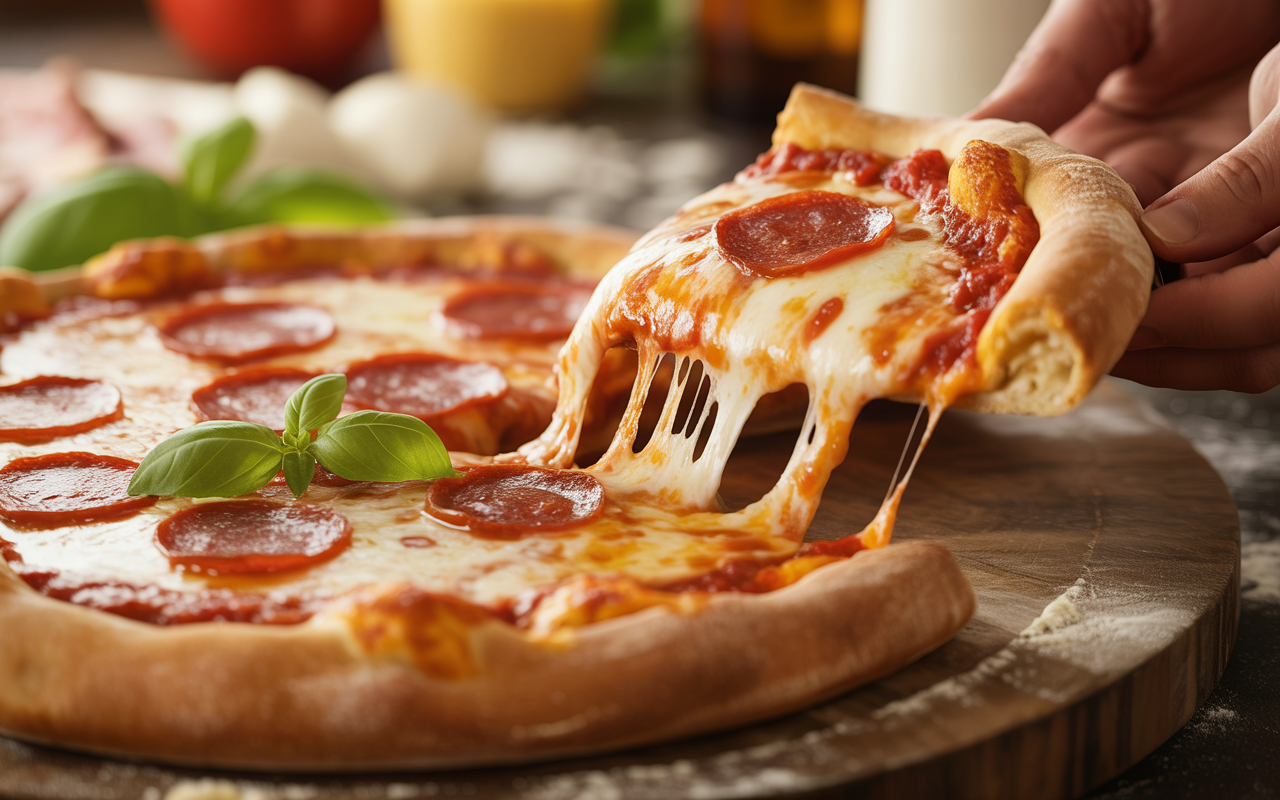
If you’re a pizza lover like me, you know one truth: the crust makes the pizza. That golden edge, crisp on the outside and tender on the inside, is what turns pizza from “just dinner” into something you dream about.
But what if gluten is off the table? Don’t worry. After years of testing, failing, and finally perfecting, I can promise you this: the best gluten free pizza crust recipe is right here. It’s easy, foolproof, and so delicious that even gluten-eaters will ask for seconds.
This isn’t one of those sad, crumbly gluten free pizza crusts you might have tried before. This is the real deal: chewy, flavorful, golden, and strong enough to hold all your favorite toppings.
So grab your apron—your homemade pizzeria adventure starts now.
Ingredients You’ll Need
Here’s the magic lineup of ingredients that makes this gluten free pizza crust come alive:
| Ingredient | Amount |
|---|---|
| Gluten free bread flour blend (with starches) | 400 g |
| Instant dry yeast | 7 g (1 packet) |
| Sugar | 1 teaspoon |
| Sea salt | 1 teaspoon |
| Extra virgin olive oil | 3 tablespoons |
| Warm water | 250 ml |
| Xanthan gum (if not already in your flour mix) | 1 teaspoon |
👉 Tip: Use a high-quality gluten free flour blend that combines rice, tapioca, and corn starch. This gives you that chewy, non-gritty texture that feels just like traditional pizza crust.
Step-by-Step: Best Gluten Free Pizza Crust Recipe
1. Activate the Yeast
In a small bowl, mix warm water with sugar and yeast. Let it sit for about 10 minutes until foamy. This little science experiment is the secret to a light, airy dough.
2. Combine the Dry Ingredients
In a large mixing bowl, whisk together your gluten free flour, salt, and xanthan gum (if your flour doesn’t already include it). This is what gives structure and elasticity to a gluten free dough.
3. Add Liquids
Pour the yeast mixture and olive oil into the flour blend. Stir with a wooden spoon or spatula until combined. The dough will look sticky—don’t panic! That’s exactly how gluten free dough should behave.
4. Work the Dough
Instead of kneading like traditional pizza dough, you’ll just work it for about 4–5 minutes until smooth. Pro tip: lightly oil your hands to keep it from sticking.
5. Let It Rise
Cover the bowl with plastic wrap and let it rise in a warm spot for 45 minutes. You’ll see it puff up beautifully, almost doubling in size.
6. Shape the Base
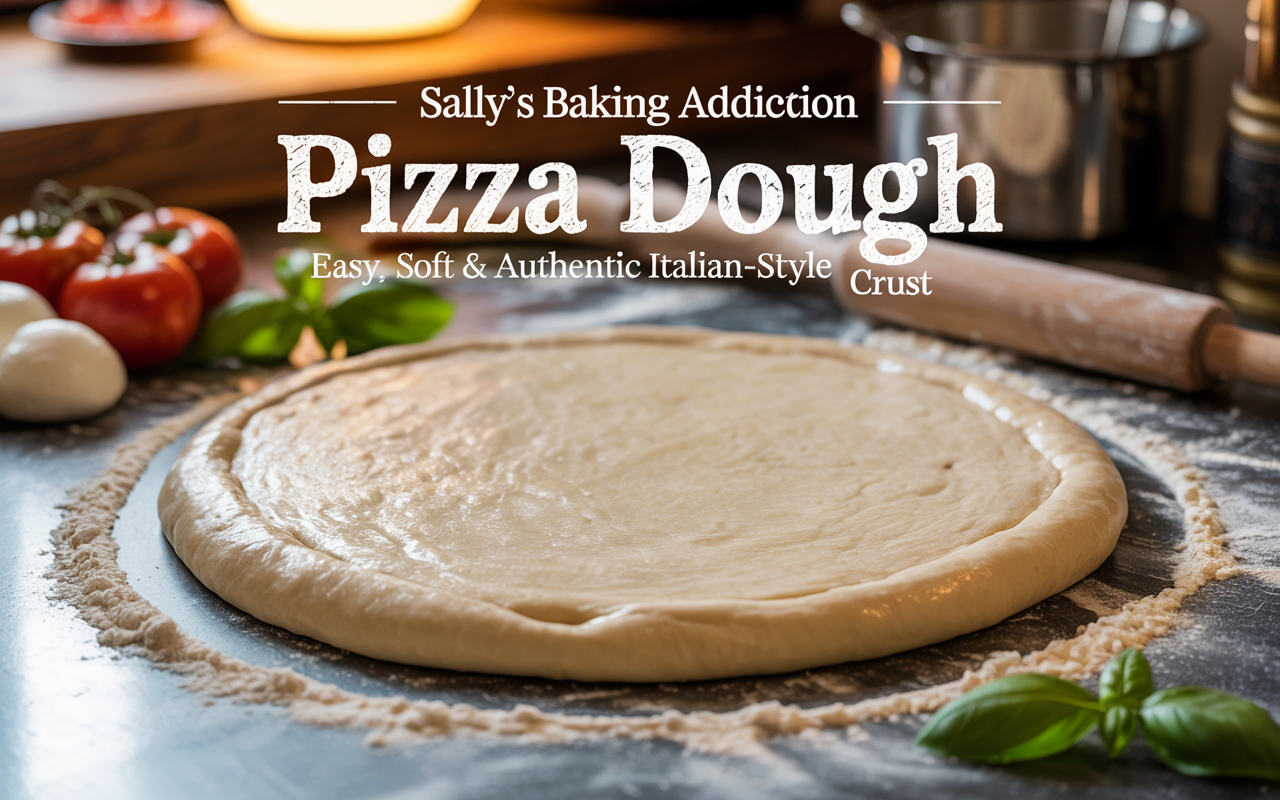
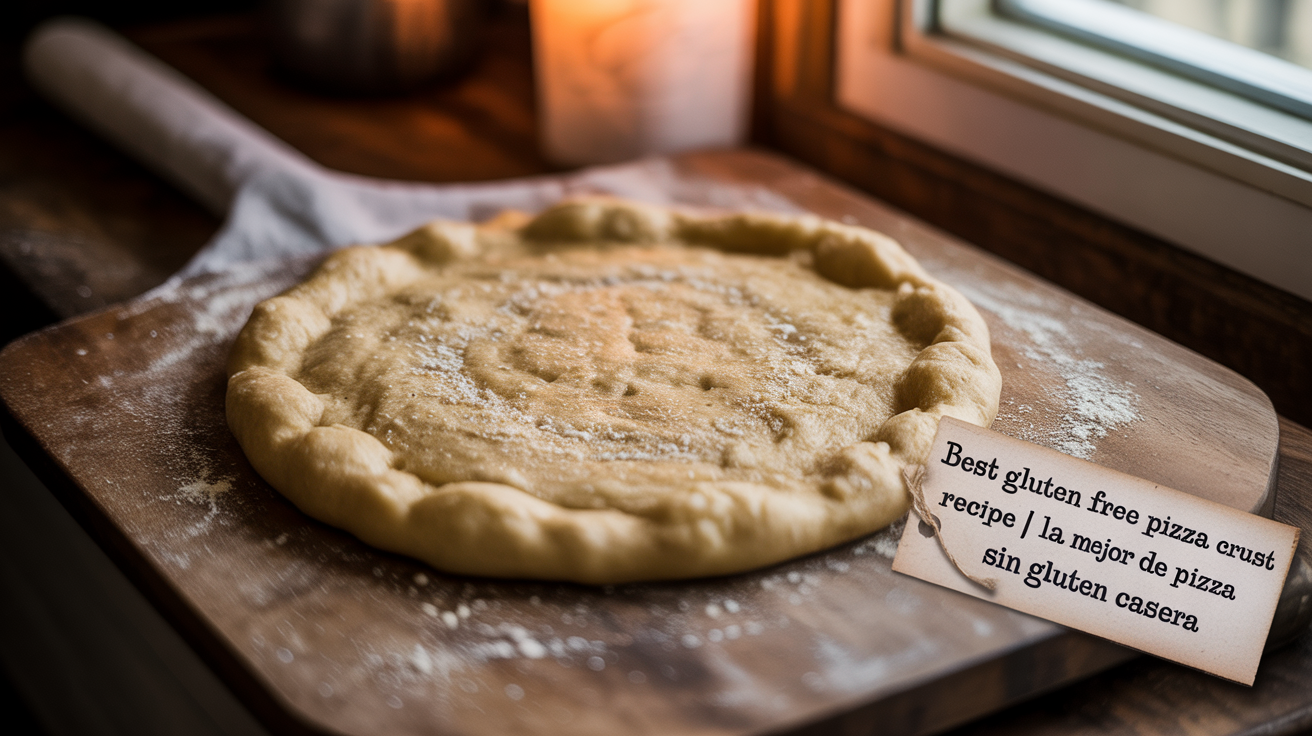
Line a baking sheet or pizza stone with parchment paper. Spread the dough with your hands into your desired thickness. Thin for crispy, thick for soft and pillowy.
7. Par-Bake the Crust
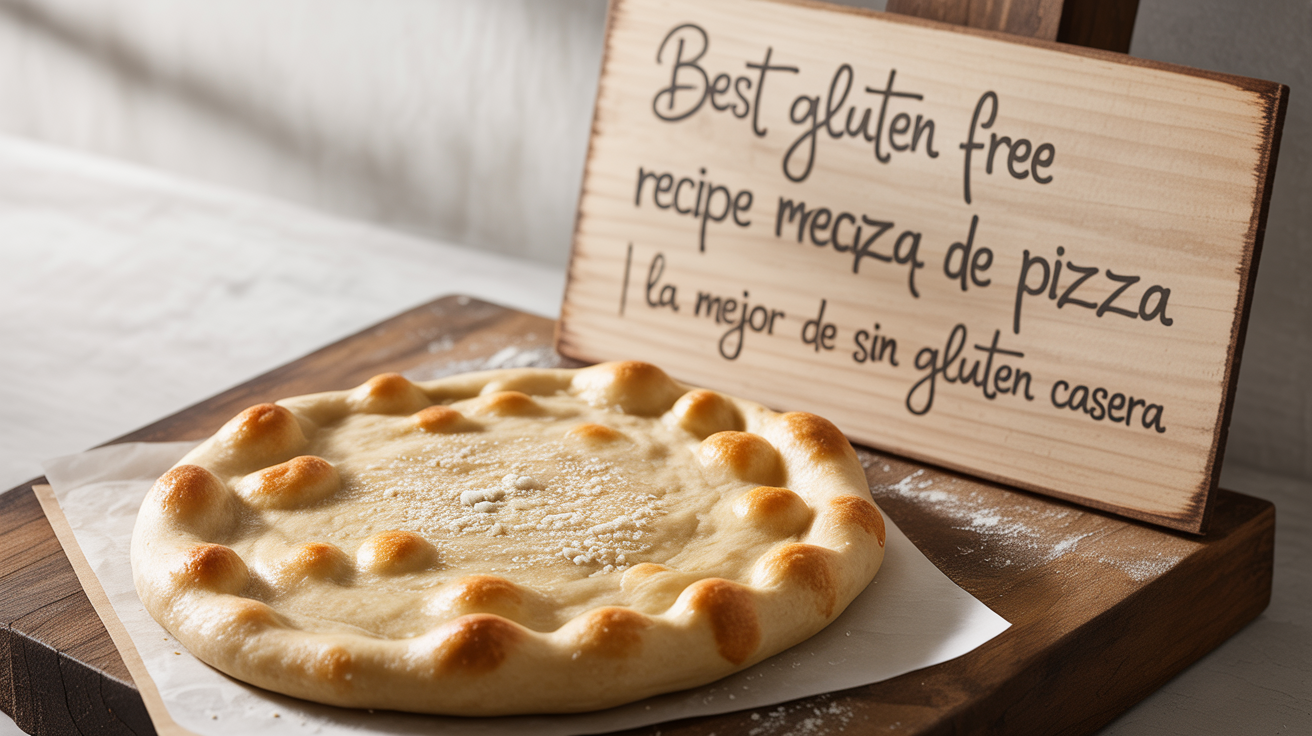
This is the game-changer step. Bake the crust alone at 220°C (430°F) for 8–10 minutes before adding toppings. This locks in crispiness and prevents a soggy pizza.
8. Top and Bake Again
Add your favorite sauce, cheese, and toppings. Bake another 8–12 minutes until bubbly and golden.
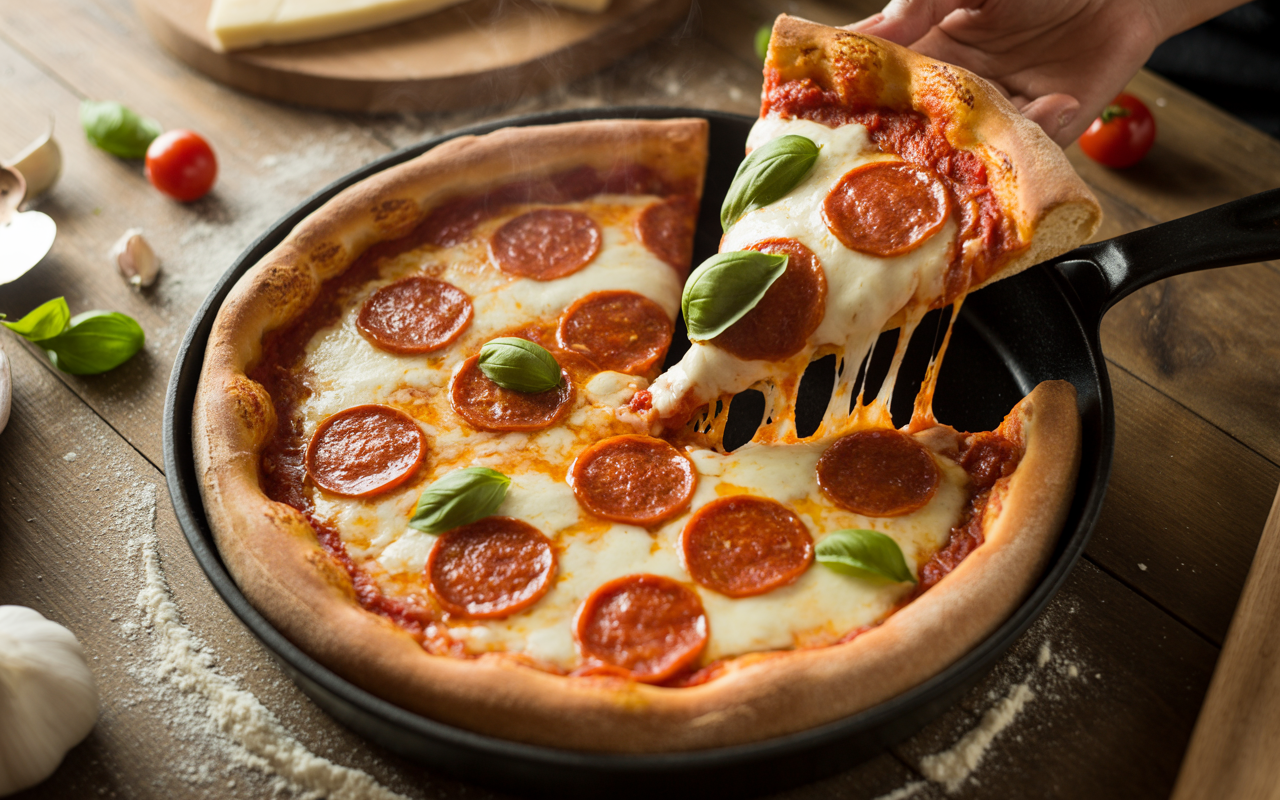
Pull it out, let it cool for just a minute (if you can wait), and slice into your new favorite gluten free pizza.
Pro Tips for Success
- Don’t skip par-baking: It’s the difference between a soggy mess and a crispy, sturdy crust.
- Use olive oil generously: It not only adds flavor but also helps with texture.
- Less is more with toppings: Gluten free crusts stay crisp longer if they’re not overloaded.
- Turn up the heat: A blazing hot oven gives you that irresistible pizzeria finish.
- Experiment with flour blends: Add a little brown rice flour for nuttiness or tapioca starch for chewiness.
Variations to Try
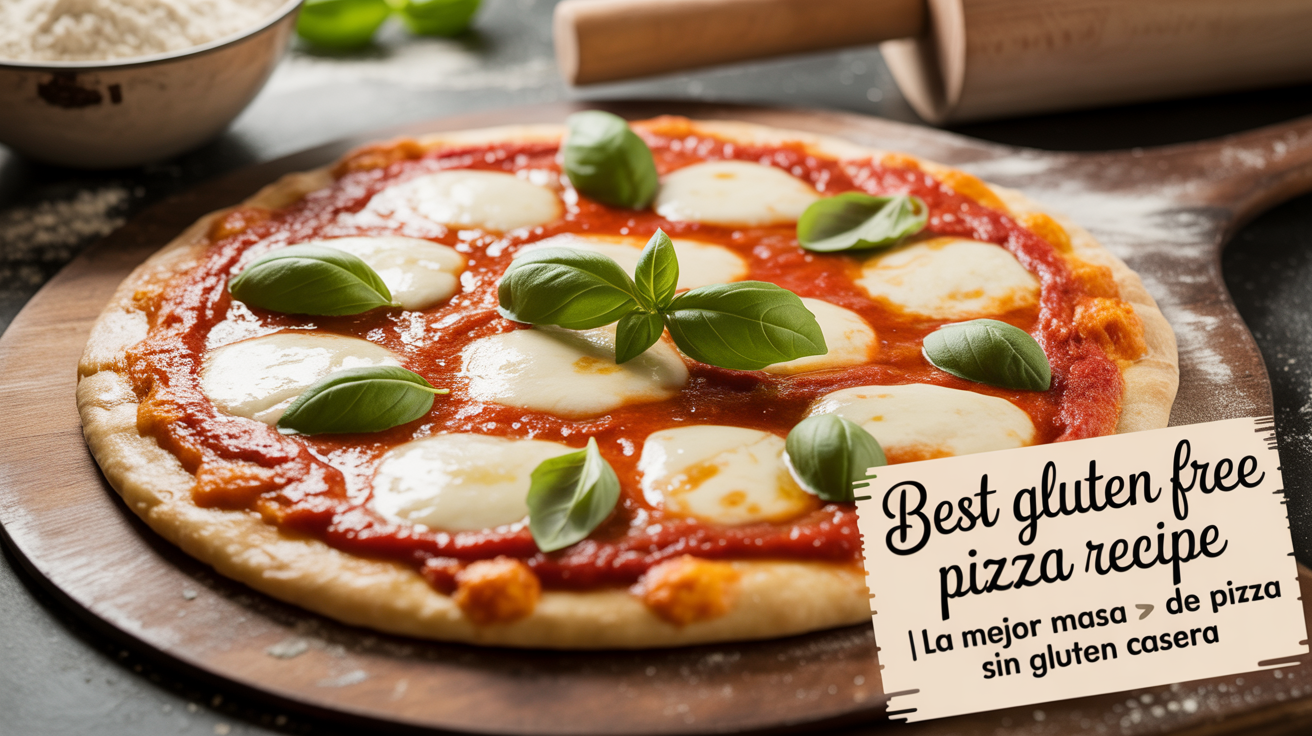
- Classic Margherita: Tomato sauce, mozzarella, and fresh basil.
- BBQ Chicken Pizza: Shredded chicken, BBQ sauce, red onions, and mozzarella.
- Vegan Delight: Veggie-loaded with roasted peppers, mushrooms, and dairy-free cheese.
- White Pizza: Ricotta, spinach, garlic, and a drizzle of olive oil.
FAQ: Best Gluten Free Pizza Crust Recipe
Can I make it without xanthan gum?
Yes, but the texture won’t be as chewy. Substitute with psyllium husk for a similar effect.
How long does the dough last?
In the fridge: up to 2 days. Pre-baked crusts freeze beautifully for up to 3 months.
Can I make it yeast-free?
Yes, by using baking powder instead of yeast, but it won’t have the same authentic flavor or rise.
Can I use almond flour or chickpea flour?
You can, but blend it with lighter gluten free flours to avoid a dense crust.
Why I Love This Recipe
I’ll be honest—when I first started experimenting with gluten free pizza, I had more failures than I can count. Dense, crumbly, flavorless… I almost gave up. But through trial, error, and a stubborn love for pizza, I found the balance.
And that’s what makes this best gluten free pizza crust recipe so special. It doesn’t taste like a compromise—it tastes like pizza should. Crispy edges, a soft bite, a base that actually holds your toppings without falling apart.
For me, pizza is more than food. It’s laughter around the table, it’s Friday nights made cozy, it’s comfort in every bite. And with this recipe, everyone—gluten or not—can be part of that joy.
So go ahead, preheat that oven, and make your kitchen smell like an Italian pizzeria. Because yes, you deserve pizza night done right.
See Also: Bean Pizza Recipe | Delicious & Protein-Packed Homemade Pizza