
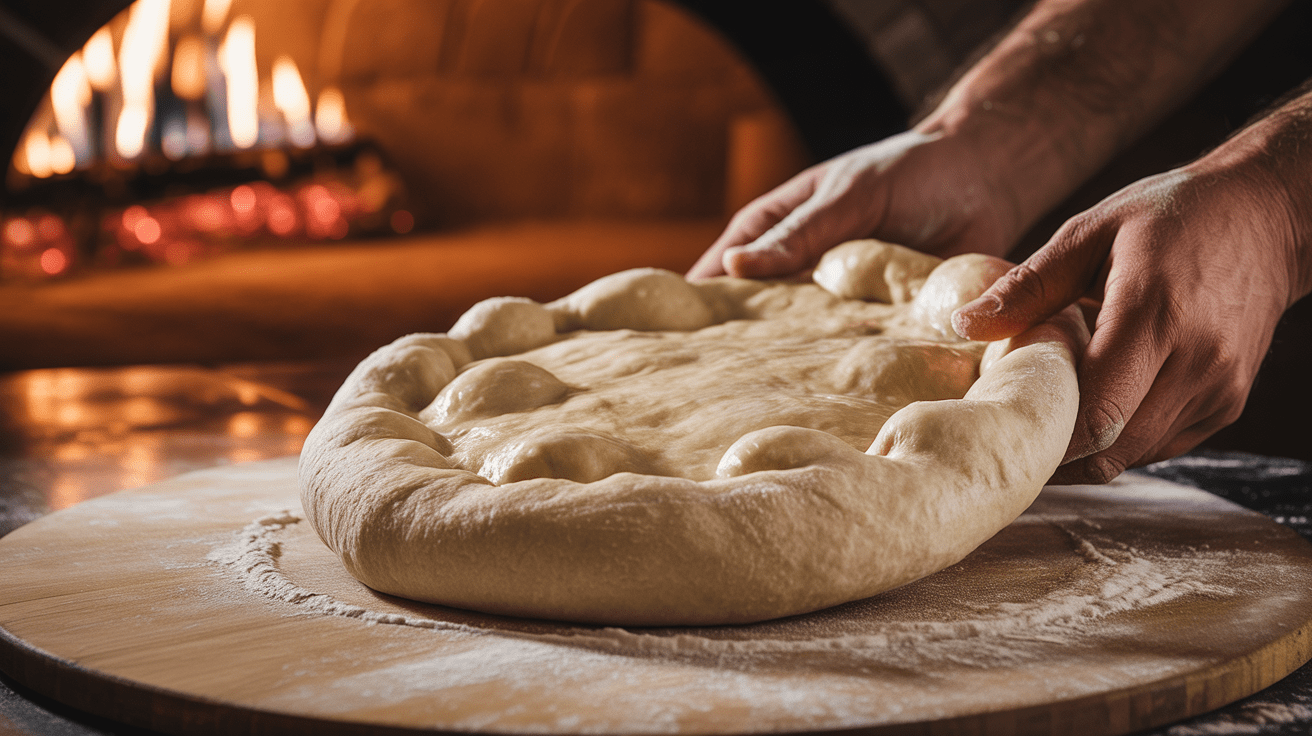
Pizza Dough Recipe Neapolitan: Authentic, Soft, and Chewy
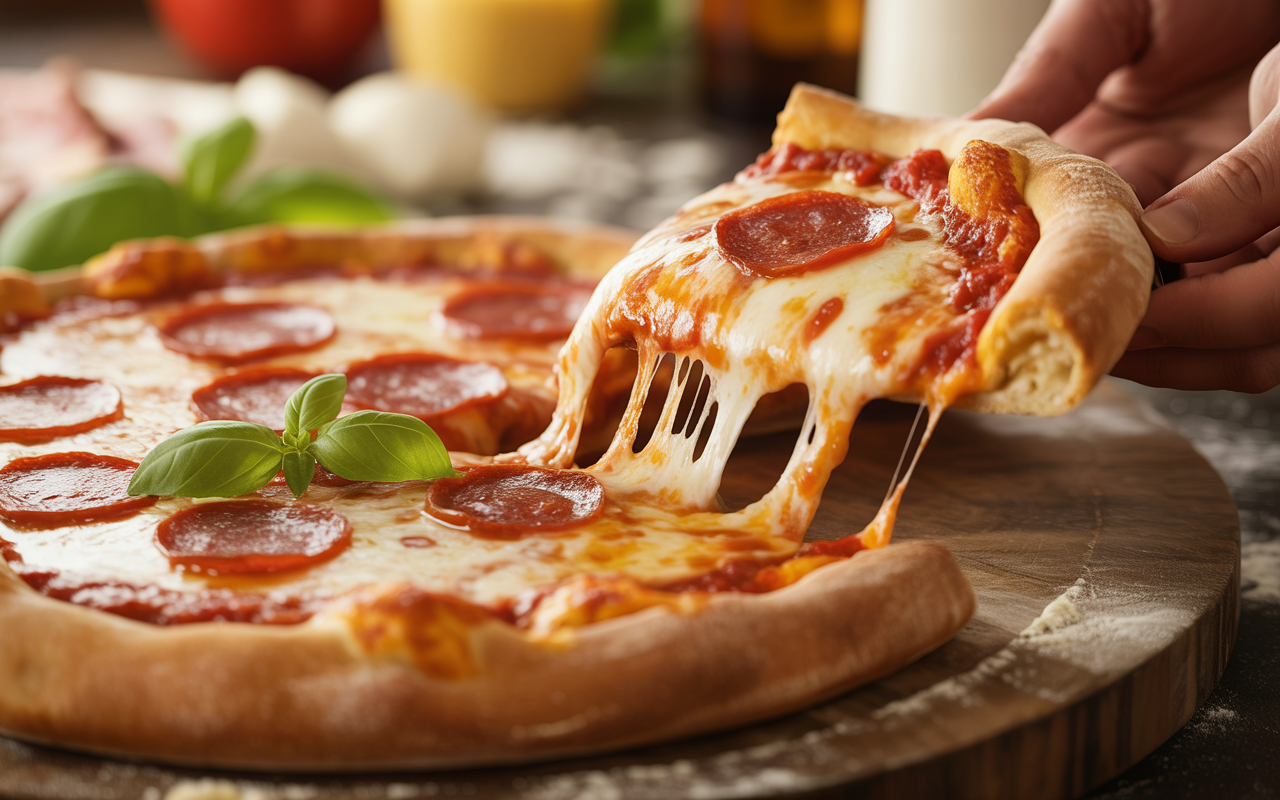
There’s something magical about a Neapolitan pizza—a soft, airy crust with just the right chew, slightly charred edges, and a delicate balance of flavor that makes every bite irresistible. If you’ve ever wanted to recreate that authentic Italian pizzeria experience at home, today’s your lucky day. I’m sharing my tried-and-true Neapolitan pizza dough recipe, perfected over years of testing, tasting, and kneading.
Whether you’re craving a classic Margherita or a gourmet pizza topped with fresh burrata and arugula, this dough forms the perfect base. Using simple, high-quality ingredients and a little patience, you can enjoy pizza night the way it’s meant to be.
Why Neapolitan Pizza is Special
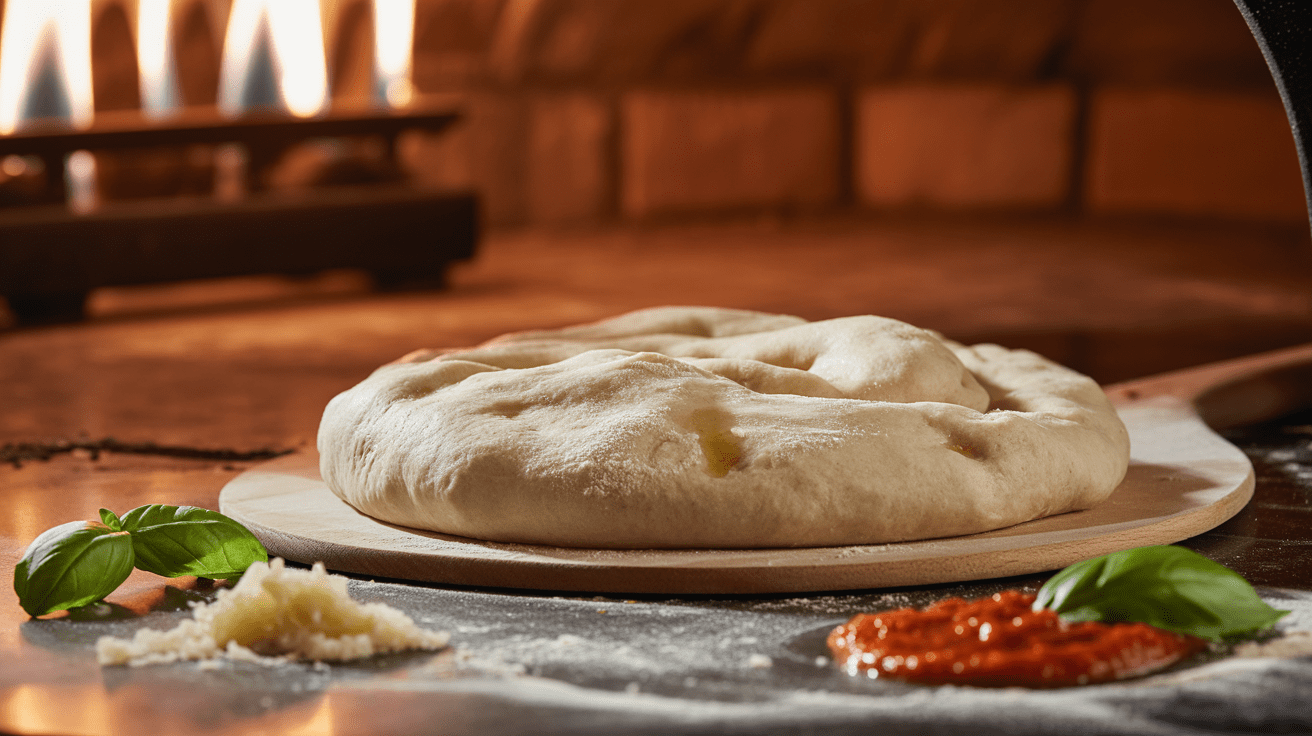
Neapolitan pizza isn’t just a style; it’s a culinary tradition. Here’s why it stands out:
- Soft, airy dough: Light, yet chewy, with a delicate crumb.
- High-hydration dough: Makes the crust tender and flavorful.
- Quick cooking time: Baked at very high temperatures, creating a slight char and perfect texture.
- Simple ingredients: Flour, water, yeast, and salt—nothing more.
This recipe captures all of these qualities while being achievable in a home oven.
Ingredients for Neapolitan Pizza Dough
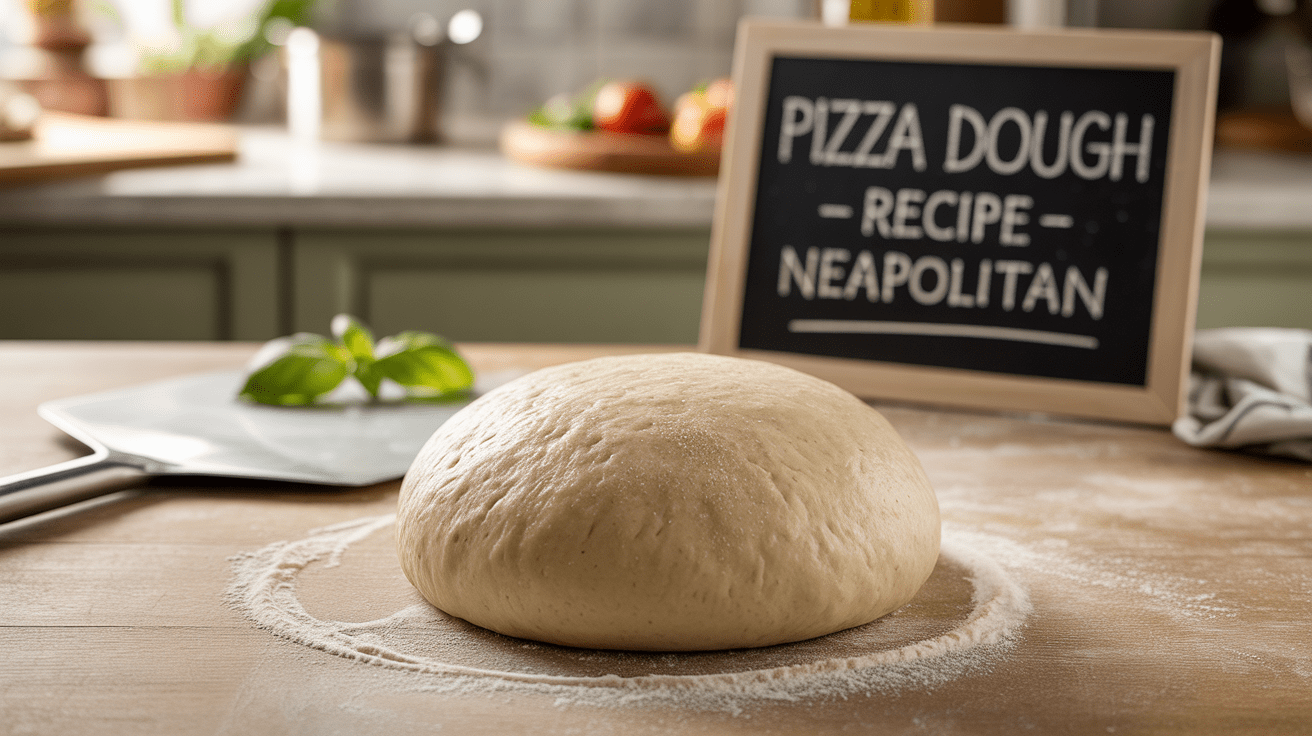
Here’s a table of ingredients for 2 large Neapolitan pizzas:
| Ingredient | Measurement |
|---|---|
| 00 Flour (high protein) | 3 1/2 cups (450 g) |
| Water (lukewarm, 95–100°F / 35–38°C) | 1 1/2 cups (360 ml) |
| Sea Salt | 2 tsp (12 g) |
| Active Dry Yeast | 1 tsp (3 g) |
| Olive Oil (optional) | 1 tsp (5 ml) |
Tip: Using 00 flour is essential for a soft, elastic Neapolitan dough. It’s finely milled and produces that classic texture.
Step-by-Step Instructions
1. Activate the Yeast
Combine warm water and yeast in a small bowl. Stir gently and let it sit 5–10 minutes until foamy. This step ensures your dough will rise beautifully.
2. Mix Ingredients
In a large bowl, combine:
- 00 flour
- Sea salt
Pour in the yeast mixture and olive oil (if using). Stir with a wooden spoon or your hands until it forms a shaggy dough.
3. Knead the Dough
- By hand: Knead on a floured surface for 8–10 minutes. The dough should be soft, elastic, and slightly tacky.
- With a stand mixer: Use a dough hook for 6–8 minutes on medium speed.
Proper kneading develops gluten, giving the crust its signature chewiness.
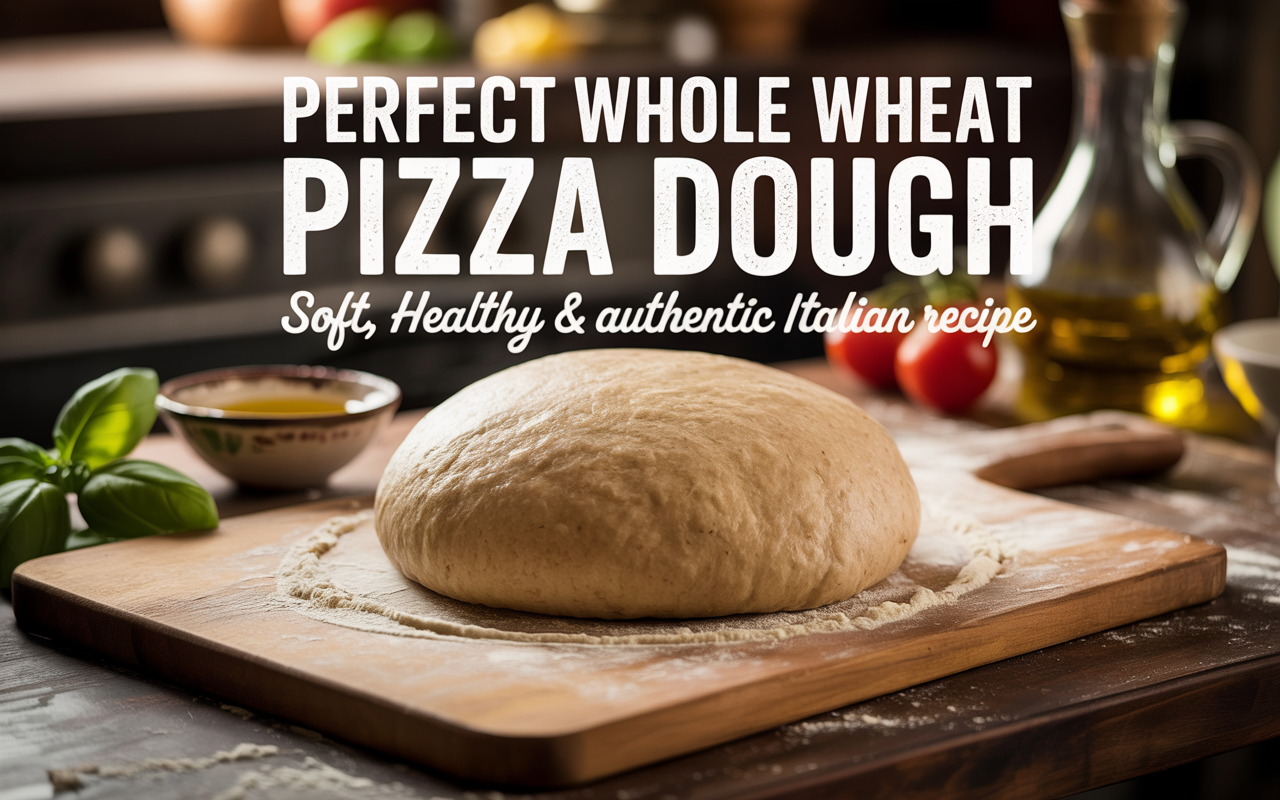
4. First Rise
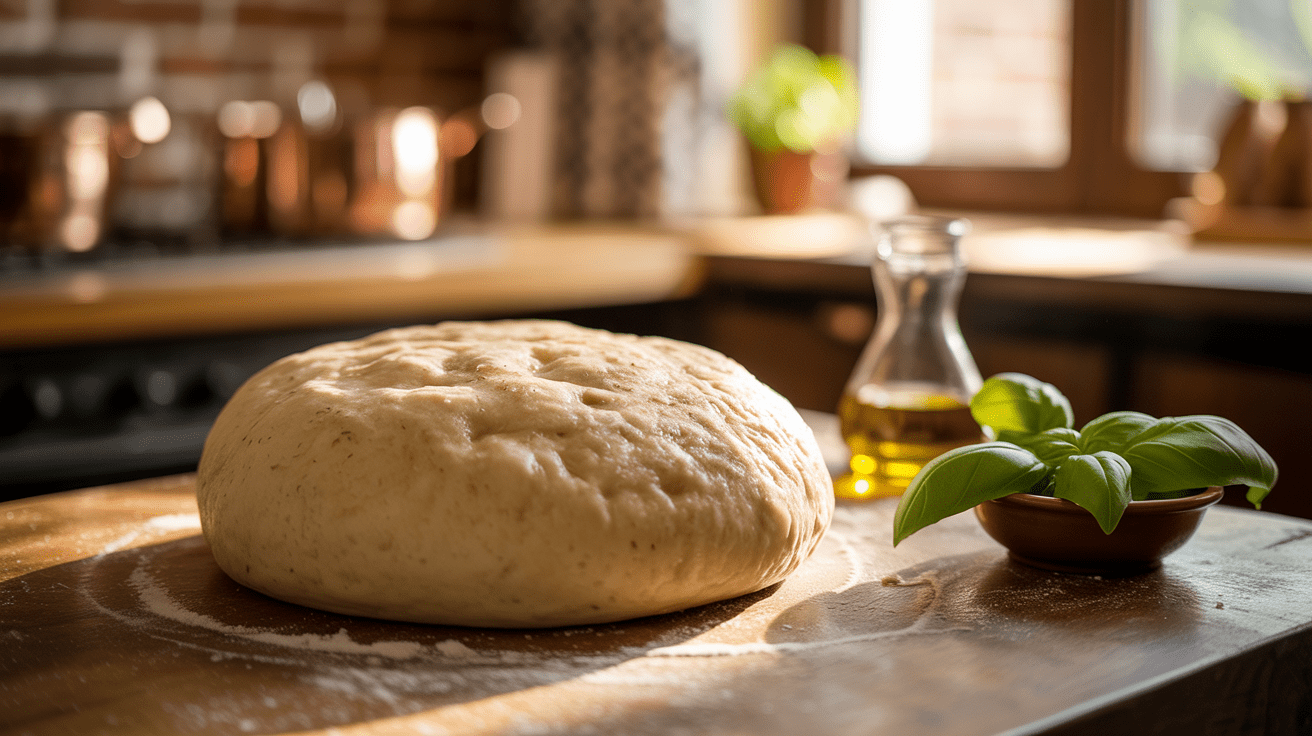
Place the dough in a lightly oiled bowl, cover with a damp cloth or plastic wrap, and let it rise for 2–3 hours, or until doubled in size.
Pro tip: A warm, draft-free spot works best for this slow fermentation.
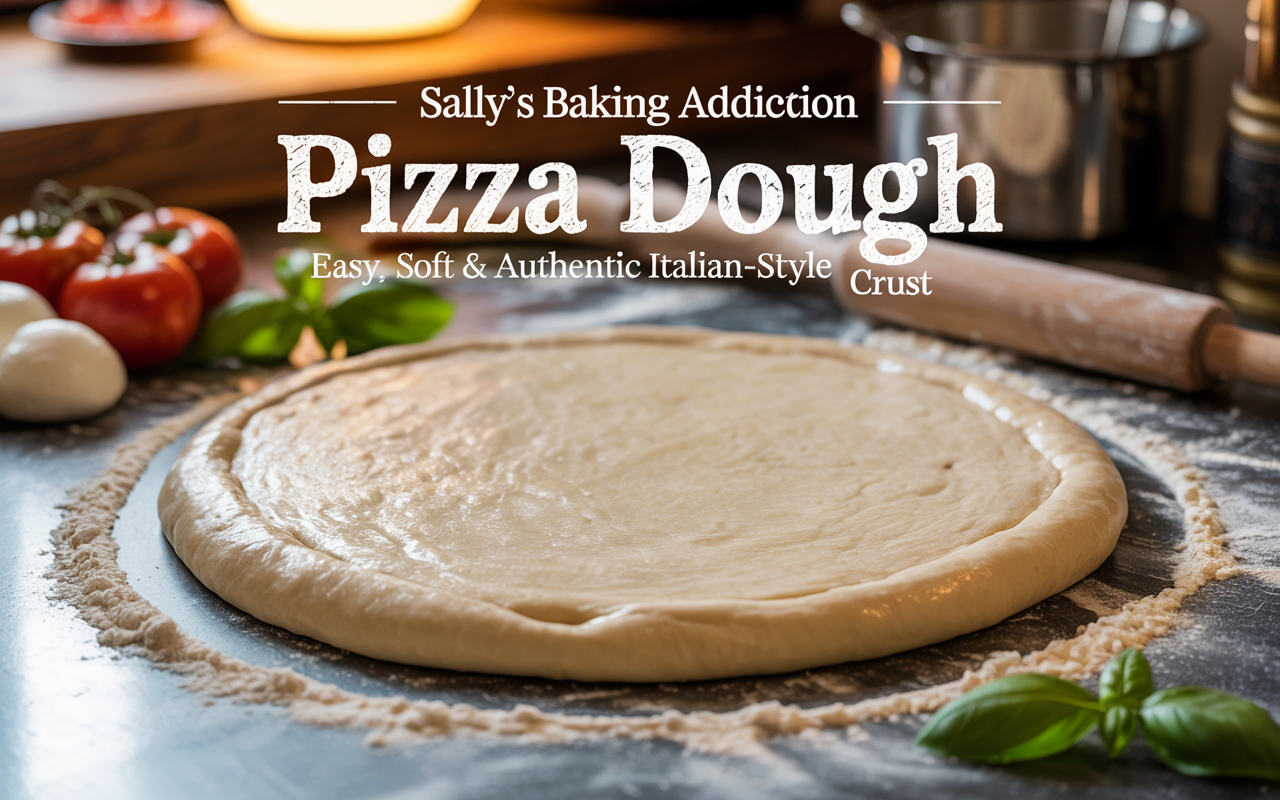
5. Shape the Dough
Once risen:
- Gently punch down the dough.
- Divide into 2 equal portions.
- Shape into balls and rest for 30 minutes.
This resting period helps the dough relax, making it easier to stretch into a thin, circular shape.
6. Preheat Oven
For a home oven:
- Place a pizza stone or steel in the oven.
- Preheat at maximum temperature (475–500°F / 245–260°C) for at least 45 minutes.
Tip: Preheating ensures the crust cooks quickly and develops the characteristic char.
7. Stretch the Dough
- Gently flatten a dough ball and stretch with your hands into a 10–12 inch circle.
- Avoid rolling pins; they can compress the dough and prevent it from puffing properly.
8. Add Toppings
Traditional Neapolitan toppings include:
- Tomato sauce (San Marzano tomatoes recommended)
- Fresh mozzarella
- Fresh basil
- Drizzle of olive oil
Feel free to get creative with gourmet toppings like prosciutto, arugula, or mushrooms.
9. Bake the Pizza
- Transfer the pizza to the hot stone or steel.
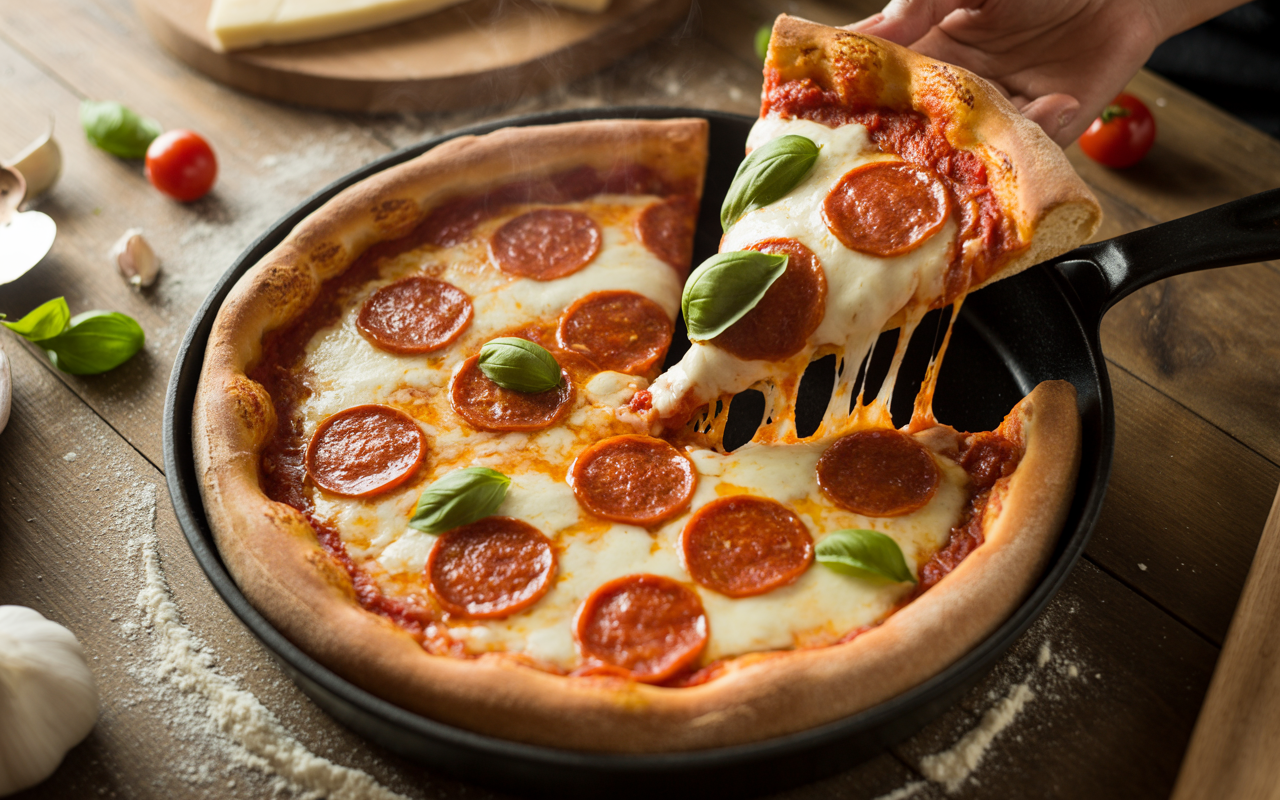
- Bake 7–10 minutes until the crust is puffed, lightly charred, and cheese is melted.
- For a home oven, broil the last 1–2 minutes for extra color.
Tips & Tricks for Perfect Neapolitan Dough
- Hydration matters: Higher water content (60–65%) gives a soft, airy crust.
- Use 00 flour: It’s finely milled and produces the signature chew.
- Avoid over-kneading: Dough should be smooth and elastic, not stiff.
- Slow fermentation: Resting the dough overnight in the fridge develops flavor.
- High heat baking: Mimics a wood-fired oven, creating perfect bubbles and a slight char.
FAQ Section
Q: Can I use all-purpose flour instead of 00 flour?
A: You can, but the texture will be slightly different—less tender and chewy. Bread flour is a better substitute than all-purpose.
Q: Can I prepare dough in advance?
A: Yes! Refrigerate for up to 24 hours. Bring to room temperature before shaping.
Q: Can I make this in a bread machine?
A: Absolutely. Add ingredients in order (liquids first) and use the dough setting.
Q: How do I get a bubbly, airy crust?
A: Stretch the dough gently, use high hydration, and bake on a hot stone or steel.
Q: Can I freeze Neapolitan dough?
A: Yes. Wrap individual dough balls tightly in plastic wrap and freeze for up to 3 months.
Variations to Try
- Margherita Classic: Tomato, fresh mozzarella, basil.
- Prosciutto & Arugula: Bake pizza, then top with prosciutto and fresh arugula.
- Veggie Delight: Sautéed mushrooms, bell peppers, olives, and onions.
- White Pizza: Olive oil, ricotta, mozzarella, garlic, and fresh herbs.
Final Thoughts
Making Neapolitan pizza at home is a joy. With simple ingredients, King-quality flour, and a little patience, you can create a pizza that rivals your favorite pizzeria.
The secret is in the dough: soft, elastic, high-hydration, and fermented slowly for flavor. Once you master this Neapolitan pizza dough recipe, you can top it any way you like, experiment with flavors, and impress friends and family with authentic Italian pizza straight from your oven.
Grab your flour, warm up your oven, and enjoy pizza night like never before.
See Also: Pizza Dough Recipe King Arthur Flour | Soft & Chewy Homemade Pizza