
I’ll be honest with you — gluten-free pizza dough scared me for years.
Every time someone asked me for the best gluten free pizza base recipe, I used to feel this silent pressure:
“How do I give them the same joy as a traditional Italian crust… but without gluten?”
Because let’s be real — gluten is the magic that makes pizza dough stretchy, airy, bubbly, alive.
And when you remove it?
The dough can turn sticky, dense, flat, or worse… crumbly.
But after years of testing — and I mean years of mixing, kneading, failing, tasting, adjusting — I finally cracked the code. And today, I’m sharing my personal gluten-free pizza base, the one that tastes so good that even gluten lovers ask:



“Are you SURE this is gluten-free?”
This recipe gives you:
- A crispy outer crust
- A soft, chewy inside
- A strong base that doesn’t fall apart
- A light, airy texture
- And a flavor that actually tastes like a real Italian pizza base
If you’ve struggled with gluten-free dough before… this will feel like a small miracle.
Let’s dive in. This is going to be fun — and delicious.
⭐ What Makes This the Best Gluten Free Pizza Base Recipe?
Because I treat gluten-free dough like its own art form — not a substitute.
Here’s why this recipe works so well:
✔ Perfect blend of gluten-free flours
One flour alone never works.
You need a balanced mix for structure, crispiness, and softness.
✔ Psyllium husk = gluten magic
This is the secret ingredient that gives elasticity and chew.
✔ Hydration is key
Gluten-free dough loves moisture — and this recipe nails it.
✔ A long rest for flavor
Just like traditional Italian dough, gluten-free dough becomes better with rest.
✔ Real Italian technique
Press, lift, stretch gently. Let air stay inside.
This crust doesn’t taste “gluten-free.”
It tastes like pizza. Real, honest, Italian-style pizza.
📝 Ingredients Table (With Exact Measurements)
| Ingredient | Measurement |
|---|---|
| Gluten-free all-purpose flour blend | 2 cups (260 g) |
| Rice flour (white) | ½ cup (70 g) |
| Tapioca starch | ½ cup (60 g) |
| Psyllium husk powder | 1 tbsp |
| Instant yeast | 1 ½ tsp |
| Warm water (NOT hot) | 1 ¼ cups (300 ml) |
| Olive oil | 2 tbsp |
| Sugar (or honey) | 1 tsp |
| Salt | 1 tsp |
| Optional: Dry herbs (oregano, basil) | ½ tsp |
| Optional: Garlic powder | ½ tsp |
This blend gives the perfect balance of structure, crispness, chewiness, and flavor.
👩🍳 Step-by-Step Instructions (My Personal Method)
I’ll walk you through this exactly like I do in my kitchen.
Step 1: Activate the Yeast
In a bowl:
- Add warm water
- Add sugar
- Sprinkle yeast on top
Wait 5–7 minutes until it becomes foamy.
When the yeast blooms like a little cloud on top?
You’re ready.
If it doesn’t foam, your yeast is old. Trust me — get a new packet.
Step 2: Mix the Dry Ingredients
In a large bowl:
- Gluten-free flour blend
- Rice flour
- Tapioca starch
- Psyllium husk
- Salt
- Optional herbs or garlic powder
Stir everything together.
This step is important because gluten-free flours tend to clump.
A good mix creates a consistent dough.
Step 3: Combine Wet & Dry
Pour your yeast mixture into the dry mixture.
Add olive oil.
Now mix with a spatula or your hand.
At first, it will look wet and sticky — almost like thick cake batter.
Don’t panic.
This is EXACTLY what gluten-free dough should look like.
Gluten-free dough is never meant to be dry or stretchy.
Step 4: Let the Dough Rest (15 minutes)
This rest allows the psyllium husk to absorb water and firm up the dough.
After 15 minutes, it will feel smoother, softer, and easier to work with — like clay.
Step 5: Shape the Pizza Base
Place parchment paper on your counter.
Lightly oil your hands. (This is crucial.)
Gently press and spread the dough outward with your fingertips.
Avoid rolling.
Avoid smashing the air out.
Let the dough stay soft.
Shape it into:
- One large 12-inch pizza
or - Two smaller personal pizzas
Press the edges slightly thicker — this gives you that beautiful chewy, puffy crust.
Step 6: Par-Bake the Crust
Bake at 220°C (425°F) for 10 minutes.
This sets the structure and prevents sogginess.
You’ll see the edges turn pale golden and the center will firm up.
This step is the heart of gluten-free pizza success.
Step 7: Add Sauce & Toppings
Now the fun part.
Add:
- Tomato sauce
- Mozzarella
- Basil
- Olive oil
Or go crazy — gluten-free crust can take anything!
Step 8: Final Bake
Bake again at 220°C (425°F) for 12–15 minutes.
The cheese melts.
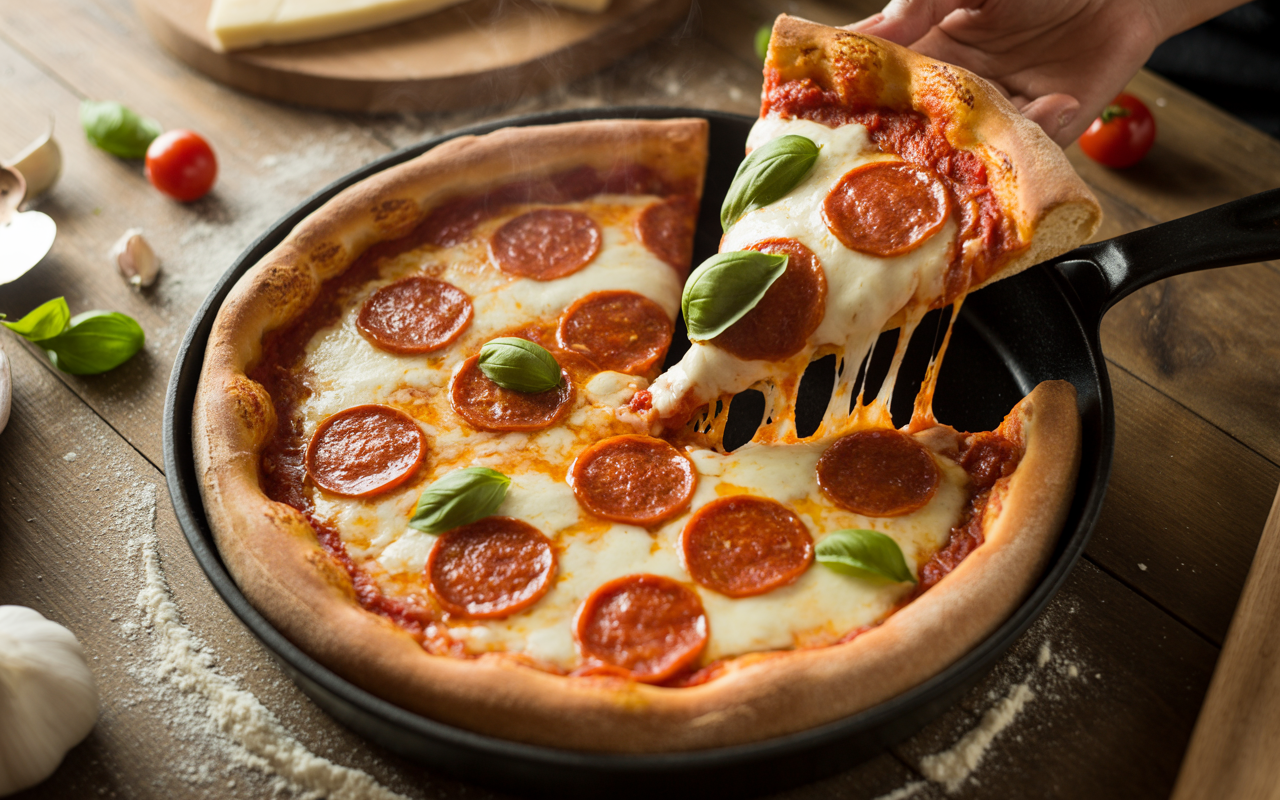
The crust crisps beautifully.
The kitchen smells like an Italian bakery.
Pull the pizza out and let it sit for 3 minutes.
This rest makes slicing easier and improves the texture.
🔥 Tips & Tricks (From Years of Experience)
These little things make a BIG difference.
1. Psyllium husk is non-negotiable
It replaces gluten’s elasticity.
Without it, your dough will crumble.
2. Gluten-free dough must be wetter than normal dough
If it feels like regular pizza dough…
You added too much flour.
3. Always use warm water, not hot
Hot water kills yeast.
Warm water wakes it up.
4. Par-bake the crust
Gluten-free crust stays crispy and firm only if pre-baked.
5. Don’t skip the olive oil
It gives richness and helps browning.
6. Let the dough rest after mixing
This is where magic happens.
The dough transforms.
7. Store the dough properly
In the fridge: 2–3 days
In the freezer: 2 months
Just thaw in the fridge overnight.
8. For a chewier texture, add more tapioca starch
This gives that classic Italian chewiness.
9. For a crispier base, brush the crust with olive oil before baking
I do this every single time.
❓ FAQ: Best Gluten Free Pizza Base Recipe
1. Can I make this without psyllium husk?
You can, but the dough won’t hold well.
Psyllium gives structure and chewiness, so I highly recommend it.
2. Will it taste like traditional pizza dough?
Surprisingly, yes.
This recipe is designed to mimic the flavor and texture of classic Italian pizza crust.
3. Can I make this dough dairy-free?
Absolutely — the crust has no dairy.
Just choose dairy-free toppings if needed.
4. Which gluten-free flour blend works best?
Look for blends that include:
- Rice flour
- Potato starch
- Tapioca
Avoid blends high in almond or coconut flour — they make the dough heavy.
5. Why is my crust too soft?
You may have:
- Under-baked the base
- Added too much water
- Skipped the par-baking step
Par-baking solves 90% of gluten-free crust problems.
6. Why is my crust too dry?
You used too much flour.
Gluten-free dough needs to be wetter than regular dough.
💬 Final Thoughts: You’re Going to Love This Gluten-Free Crust
If you’ve struggled with gluten-free pizza before… I know exactly how it feels.
Dry crust. Sticky dough. Corners that crumble. Toppings that slide off.
It’s frustrating.
But this recipe?
This one brings hope back to pizza night.
It gives you a base that’s:
- Crispy
- Chewy
- Flavor-packed
- Beautifully golden
- Strong enough to hold toppings
- Yet soft enough to feel like a real Italian pizza
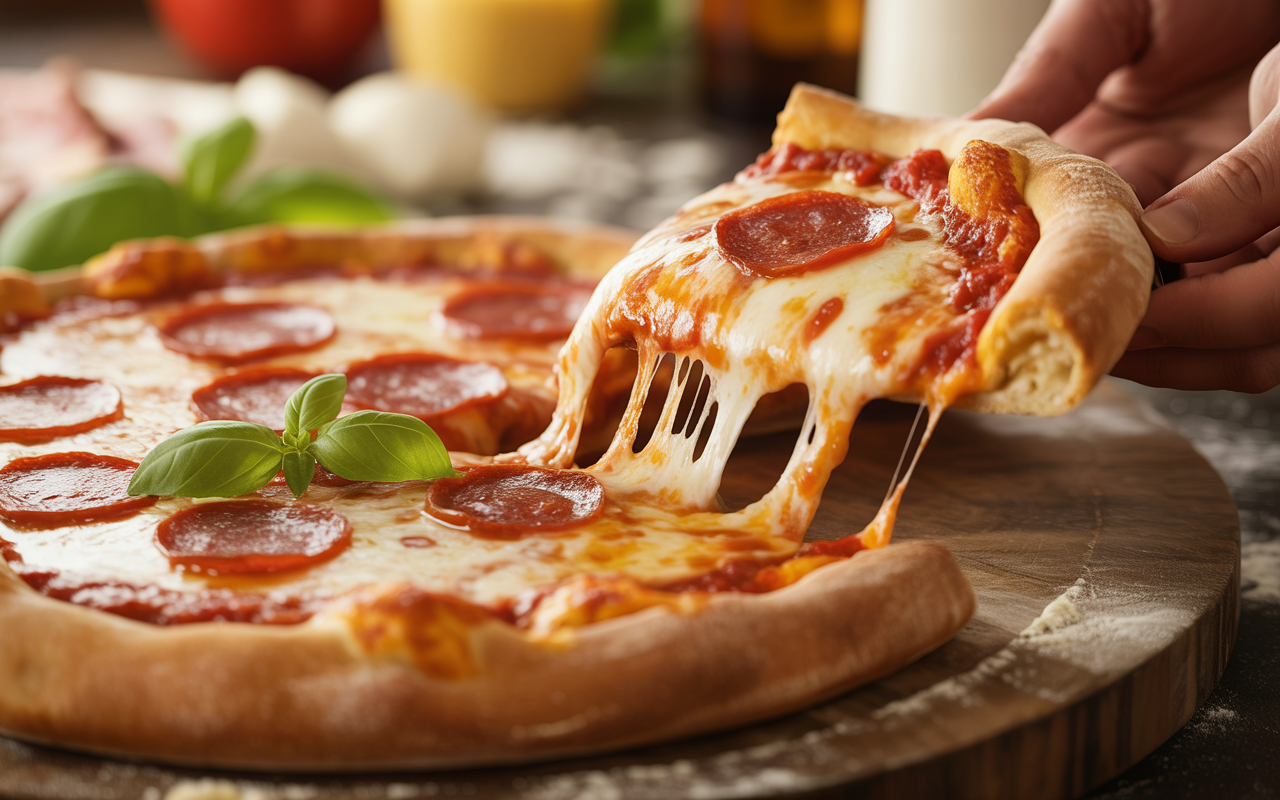
And once you feel that first bite — the crunch, the softness, the warmth — you’ll forget this is gluten-free at all.
So grab your flours.
Warm that water.
Mix, shape, bake, enjoy.
You’re about to create the best gluten free pizza base you’ve ever tasted.
See Also: Best Fruit Pizza Recipes: Easy, Fresh & Colorful Dessert Pizza Ideas You’ll Love