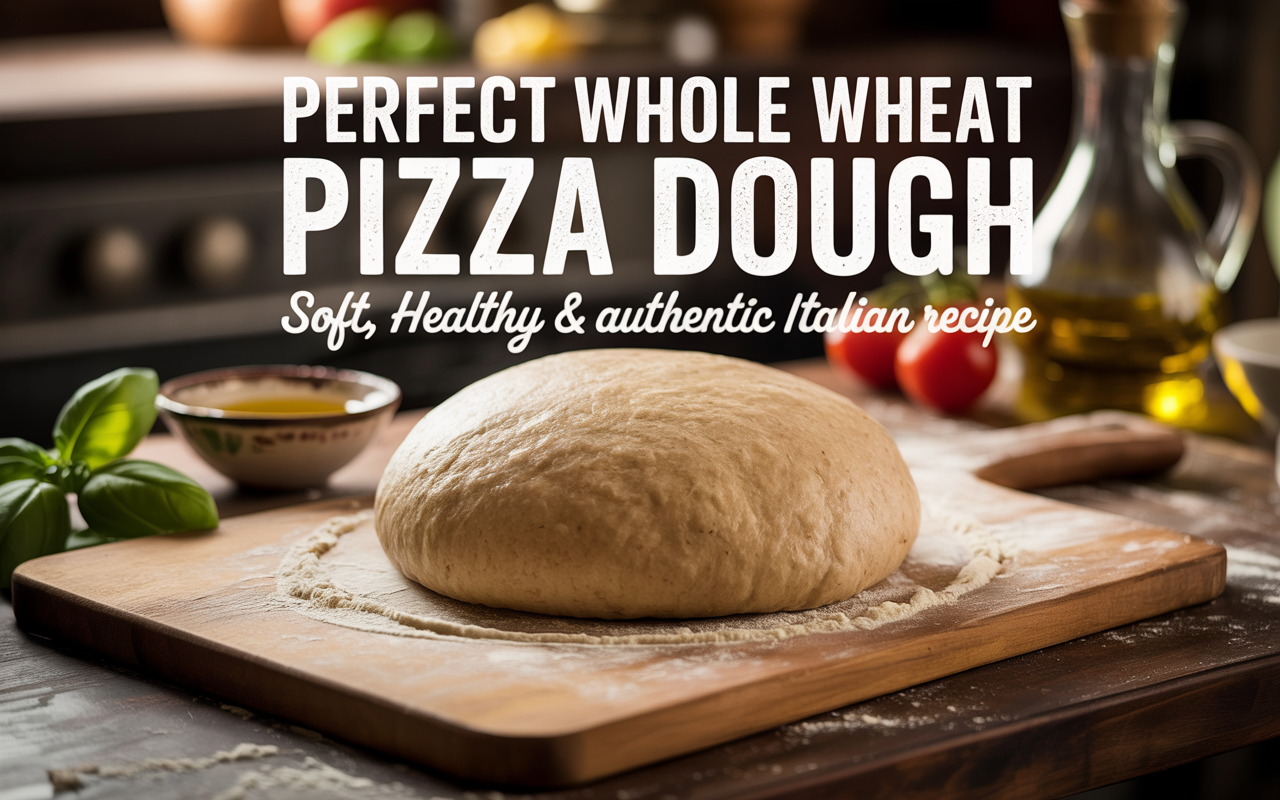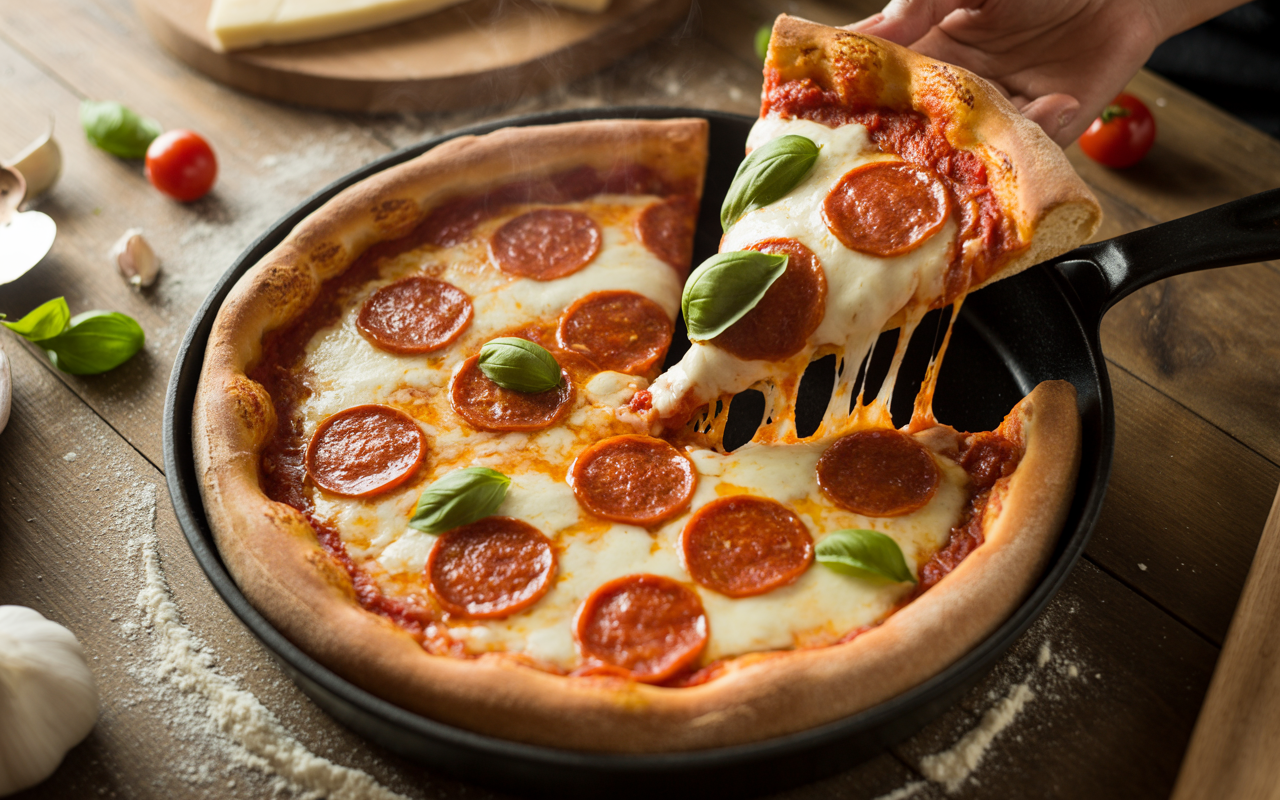
A Rustic Artisan Pizza Crust That Tastes Like an Italian Wood-Fired Pizzeria
There’s something magical about an artisan pizza crust.
It’s not just dough.
It’s personality.
It’s soul.
It’s airy, rustic, blistered in all the right places, with a crisp bite that melts into softness. It is the kind of crust that makes you close your eyes on the first bite.
The kind of pizza crust that reminds me of small Italian bakeries, where elderly bakers quietly fold dough before sunrise. Where the entire street smells like flour, yeast, and warm crust. That’s what inspired me to perfect this artisan pizza crust recipe over the years.
This is a crust you’ll want to make again and again — whether you prefer a margherita, a mushroom-truffle pizza, roasted veggies, or even white sauce toppings.
This dough is:
Soft and airy
Crispy at the bottom
Chewy at the edges
Full of deep fermented flavor
Made with simple ingredients
Crafted with patience and love
And today, I’m sharing my complete method with you — everything from ingredients to fermentation, shaping, baking, and little tricks learned through countless batches.
Let’s get our hands in the dough.
Ingredients for the Perfect Artisan Pizza Crust
Below is the complete ingredient table for one large pizza or two smaller pizzas.
Ingredient Table
| Ingredient | Amount | Notes |
|---|---|---|
| Bread flour or Italian 00 flour | 3 cups 380g | High-protein gives perfect chew |
| Lukewarm water | 1 cup 240ml | Should be warm, not hot |
| Instant yeast | 2 teaspoons | Or active dry yeast |
| Olive oil | 2 tablespoons | Extra virgin for aroma |
| Sugar or honey | 1 teaspoon | Helps yeast activate |
| Salt | 1 teaspoon | Essential for flavor |
| Optional: Semolina flour | 1 tablespoon | For dusting and better oven spring |
The magic of artisan dough comes from two things
High hydration and proper fermentation.
This dough contains enough water to create beautiful bubbles and a soft interior.
Step-by-Step: How to Make Artisan Pizza Crust
This process creates rustic structure, air pockets, and the flavor you’d expect from a professional pizzeria.
Step 1 Activate the Yeast
In a bowl mix:
Lukewarm water
Sugar or honey
Yeast
Stir and let rest for five minutes.
It should form foam on top and smell sweet and yeasty.
This is the start of your flavor foundation.
Step 2 Combine Flour and Salt
In a large bowl mix:
Bread flour
Salt
I like to grab a handful and feel the softness of the flour.
Good flour feels alive — airy, light, almost silky.
Step 3 Add the Yeast Mixture and Olive Oil
Pour the yeast mixture into your flour bowl.
Add olive oil.
Using your hands or a wooden spoon mix until the dough begins to form.
It will be shaggy messy uneven — exactly how an artisan dough should start.
Step 4 Hydration and Hand Mixing
Wet your hand slightly and fold the dough from the edges inward.
Turn the bowl a quarter turn and fold again.
Do this for about two minutes.
This method gently builds gluten without traditional kneading.
Artisan dough loves slow gentle handling.
The dough at this stage should feel:
Sticky
Soft
A little stretchy
Not fully smooth yet
Perfect.
Step 5 Rest the Dough Autolyse
Cover the dough and let it rest for ten minutes.
This rest weakens the need for heavy kneading.
The dough becomes smoother almost magically.
Step 6 Stretch and Fold Method
Perform three rounds of stretch and fold.
Every 15 minutes do this
Wet your hands
Grab the dough from one side stretch up and fold down
Rotate bowl
Repeat
This develops strong elastic gluten layers key to artisan structure.
After the third round the dough becomes glossy smooth and silky.
Step 7 First Rise
Cover and let the dough rise at room temperature for one hour.
It should expand slightly.
Do not expect a full double rise yet — the long fermentation will develop flavor later.
Step 8 Cold Fermentation for True Artisan Flavor
Refrigerate the dough for 12 to 24 hours.
This step is what makes your pizza taste like a real Italian pizzeria.
Cold fermentation does the following
Strengthens gluten
Improves flavor
Creates deeper aroma
Makes dough easier to stretch
Prevents tearing
Improves blistering
If you can wait the full 24 hours your crust will be unforgettable.
Step 9 Bring Dough to Room Temperature
Remove the dough from the fridge and let it rest for one hour.
It should be airy soft and slightly bubbly on the surface.
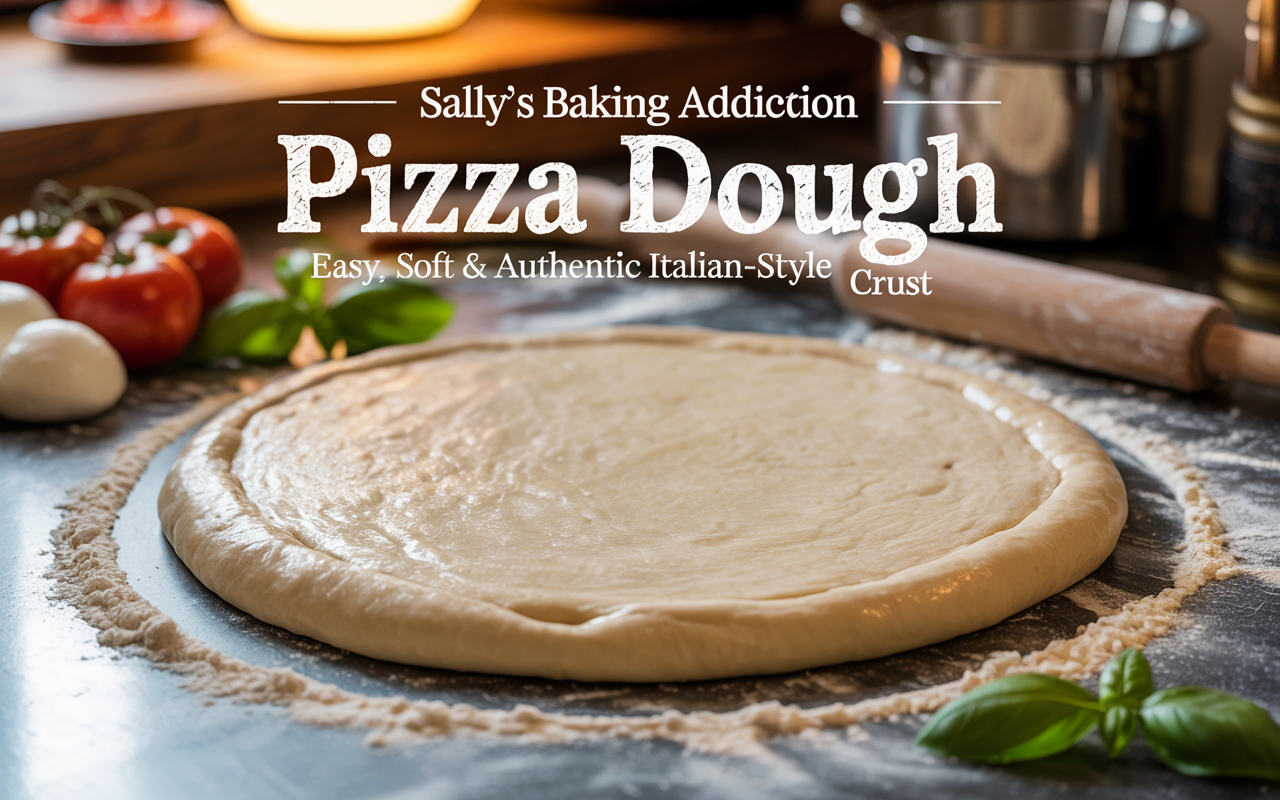
Step 10 Shape the Dough
Dust your counter with flour or semolina.
Flatten the dough gently with your fingertips pushing the air outward.
Lift it with both hands and stretch by rotating your knuckles.
Avoid rolling pins which destroy the airy bubbles.
You want:
Thin center
Puffy edges
Even stretch
This is where your artisan dough comes alive.
Step 11 Top Your Pizza
Add your toppings lightly.
Do not overload.
Classic artisan toppings include:
Fresh tomato sauce
Mozzarella
Fresh basil
Olive oil
Garlic
Mushrooms
Prosciutto
Parmesan
Artisan dough acts like a blank rustic canvas for Italian flavors.
Step 12 Bake at High Heat
Preheat oven to the highest possible setting
Ideally 475 to 500 degrees Fahrenheit
Place a pizza stone inside to heat fully
Slide your pizza directly onto the hot stone.
Bake for 8 to 12 minutes depending on thickness.
You’ll know it is ready when
The crust has blistered spots
Edges have risen and browned
Cheese has melted beautifully
Aroma fills your kitchen
Remove and let rest two minutes before cutting.
This resting time allows moisture to settle giving a perfect bite.
Why This Artisan Pizza Crust Works So Well
This artisan pizza crust recipe is built on key principles of Italian baking and modern bread science.
High hydration
Creates open crumb airy holes and soft interior.
Stretch and fold technique
Builds gluten without kneading.
Cold fermentation
Deepens flavor enhances texture makes dough easier to handle.
High heat baking
Creates crisp edges and slight charring.
Use of quality olive oil
Adds fragrance and richness.
This method transforms simple flour into a living flavorful dough.
Tips and Tricks for the Perfect Artisan Pizza Crust
Use high protein flour for strength
Do not skip cold fermentation
Handle dough gently
Use semolina for crisp bottom
Bake on a stone or steel
Avoid over topping your pizza
Let dough rest after baking
Use filtered water if possible
Add olive oil to crust edges before baking
Use your fingertips not a rolling pin
These tips elevate your crust from good to world class.
Frequently Asked Questions
What makes a pizza crust artisan
The unique texture flavor and structure created through long fermentation high hydration and gentle handling.
Can I skip the cold fermentation
You can but the deep flavor will not develop the same way.
Can I make this dough ahead of time
Yes it can stay refrigerated for up to 48 hours.
Is bread flour or 00 flour better
Both work.
Bread flour gives chewy strength.
00 flour gives silky softness.
Why is my dough tearing
It needs more rest or more hydration.
Should I use a pizza stone
A stone or steel makes the crust crisp and professional.
Can I freeze this dough
Yes freeze after first rise and thaw overnight.
Final Thoughts – Artisan Pizza Is a Journey, Not Just a Recipe
This artisan pizza crust recipe is one of those creations that grows with you.
The more you make it the more your hands understand the dough.
The more your senses learn the smell the feel the softness and elasticity of a perfect fermentation.
Pizza is not a recipe.
Pizza is a relationship between you and the dough.
A rhythm.
A dance.
This crust gives you everything you want
Rustic beauty
Crisp edges
Soft interior
Deep flavor
Authentic Italian character
If you are ready to take your pizza nights from ordinary to extraordinary this recipe is your new starting point.
Make it once and you will understand the magic.
Make it twice and you will master it.
Make it for years and it becomes part of your cooking identity.
Buon appetito and enjoy every warm rustic slice.
See Also: Almond Meal Pizza Crust Recipe | Gluten-Free Low-Carb Italian-Style Pizza Base