
Artisan Pizza Dough Recipe: How to Make the Perfect Italian Crust at Home
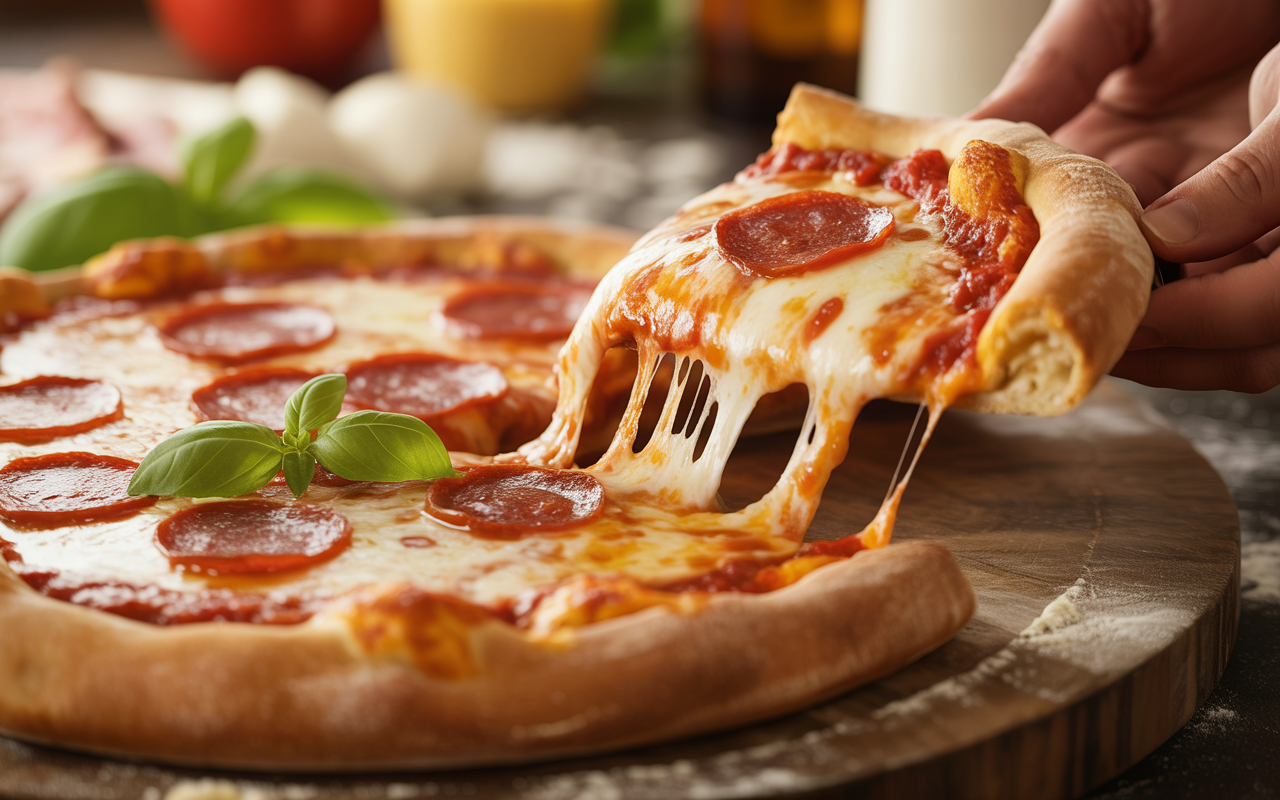
There’s nothing in the world like a good pizza. Not the fast-food kind. Not the soggy, pre-made crust kind. I’m talking about pizza with a real soul—where the dough itself tells a story. The kind of pizza that, from the moment you pull it from the oven, makes the whole kitchen smell like an Italian trattoria. And at the heart of every great pizza is one thing: the artisan pizza dough recipe.
I’ve spent years trying, failing, tweaking, and testing this recipe until it felt just right. The result? A dough that’s light, chewy, crisp at the edges, and flavorful enough that you could eat it plain with just olive oil and salt. This is the dough I turn to every time I want to impress guests—or just treat myself to something deeply comforting.
If you’ve been searching for the perfect artisan pizza dough recipe, you’ve just found it.
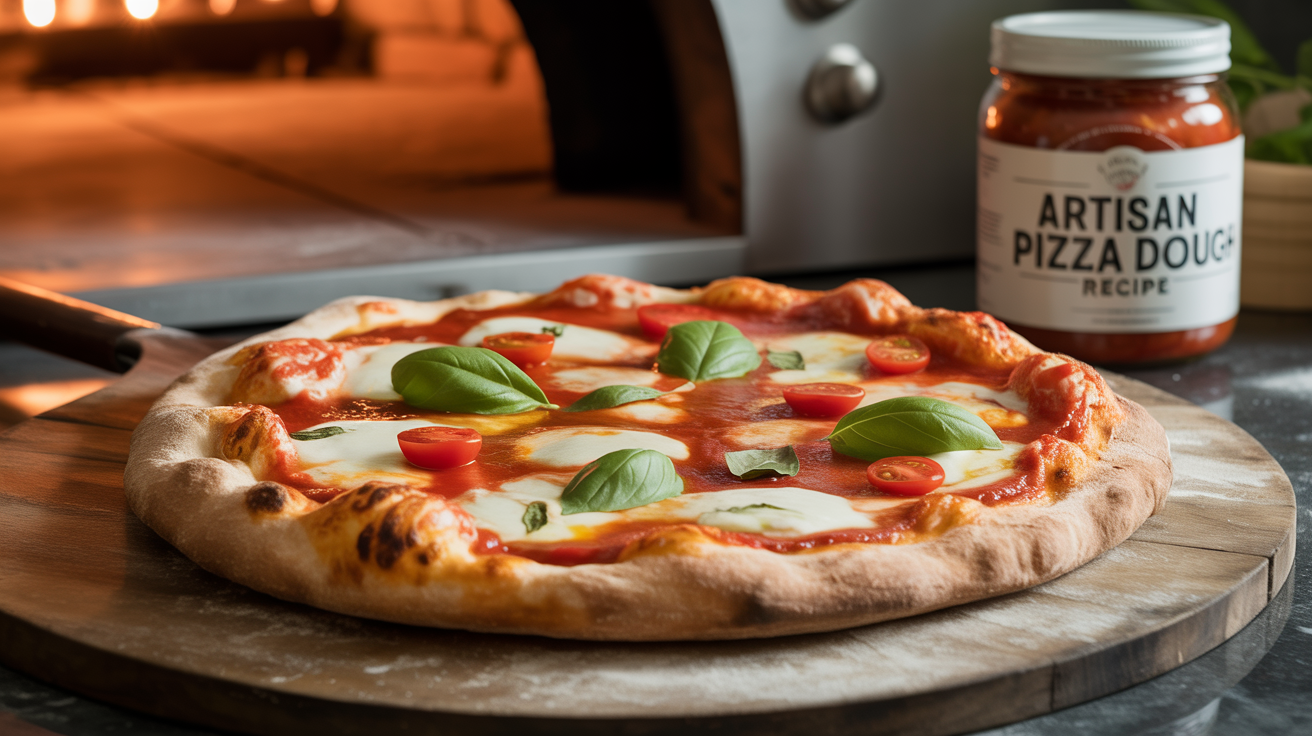
Why Artisan Pizza Dough is Different
What makes artisan pizza dough so special compared to regular dough? It’s the technique. It’s the patience. It’s giving the yeast time to work its magic and develop flavor.
A good artisan dough has:
- Long fermentation – at least 24 hours in the fridge, sometimes up to 72 hours.
- High hydration – which means a wetter dough that bakes into an airy, open crumb.
- Simple ingredients – just flour, water, yeast, and salt, but treated with care.
This is the kind of dough that makes you fall in love with pizza all over again.
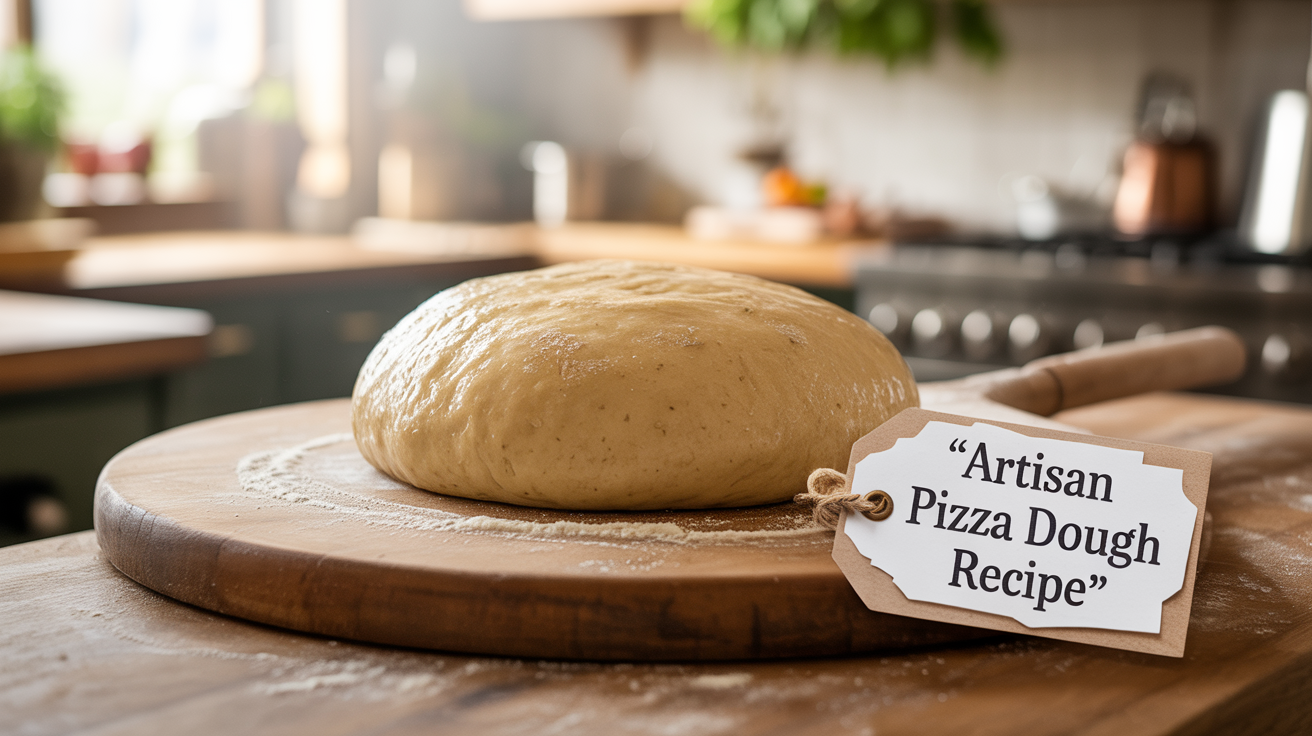
Ingredients and Measurements
Here’s the exact formula I use for this recipe. Feel free to scale it up or down depending on how many pizzas you’re making.
| Ingredient | Measurement |
|---|---|
| Bread flour (or Tipo “00”) | 500 g (about 4 cups) |
| Warm water | 325 ml (1 ⅓ cups) |
| Instant yeast | 2 g (about ½ tsp) |
| Fine sea salt | 12 g (2 tsp) |
| Olive oil (optional) | 1 tbsp |
💡 Tip: If you can get your hands on Italian Tipo “00” flour, use it. The texture is silkier, and the dough develops an authentic Italian-style chew.

Step-by-Step Instructions
Step 1: Mix the Dough
In a large bowl, whisk together the flour, salt, and yeast. Slowly pour in the warm water and stir with your hands or a wooden spoon until it forms a shaggy, sticky dough. Don’t panic—it’s supposed to be sticky.
Step 2: Rest and Autolyse
Cover the bowl and let it sit for 30 minutes. This resting period allows the flour to hydrate and gluten to begin forming naturally.
Step 3: Stretch and Fold
Instead of kneading, I use the stretch and fold method. With wet hands, pull one side of the dough up and fold it over the center. Turn the bowl and repeat until you’ve stretched all four sides. Do this 3–4 times over the course of an hour (every 20 minutes).
Step 4: Bulk Fermentation
Cover the bowl tightly and place it in the refrigerator for at least 24 hours. The longer you let it ferment, the more flavor you’ll get. I personally love 48 hours—it hits that sweet spot of flavor and texture.
Step 5: Divide and Shape
When you’re ready to bake, take the dough out of the fridge 2–3 hours before cooking. Divide into 2–3 equal balls (depending on pizza size). Place them on a floured surface, cover with a damp towel, and let them relax.
Step 6: Stretch the Dough
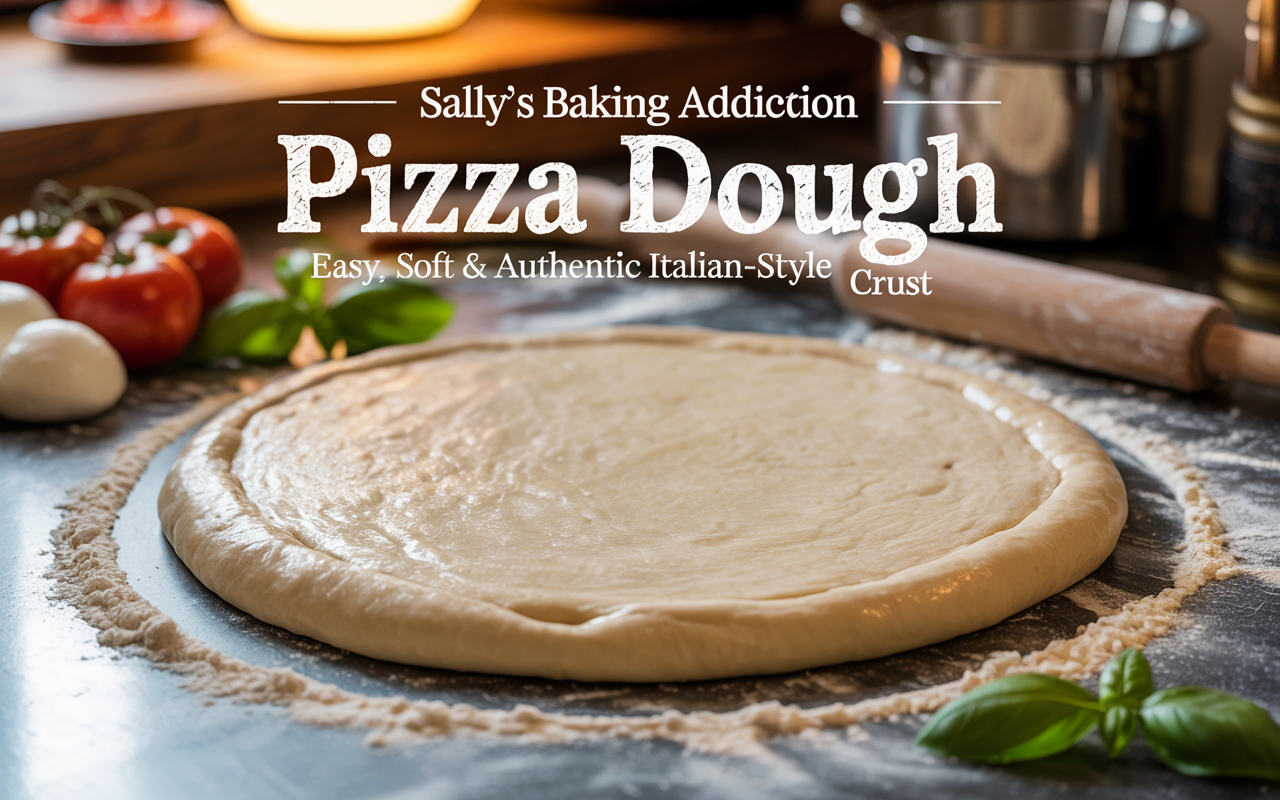
When shaping, never use a rolling pin. Use your hands. Gently press from the center outward, letting the dough stretch naturally. This keeps the air bubbles intact, which is what gives artisan pizza dough its beautiful airy structure.
Step 7: Bake
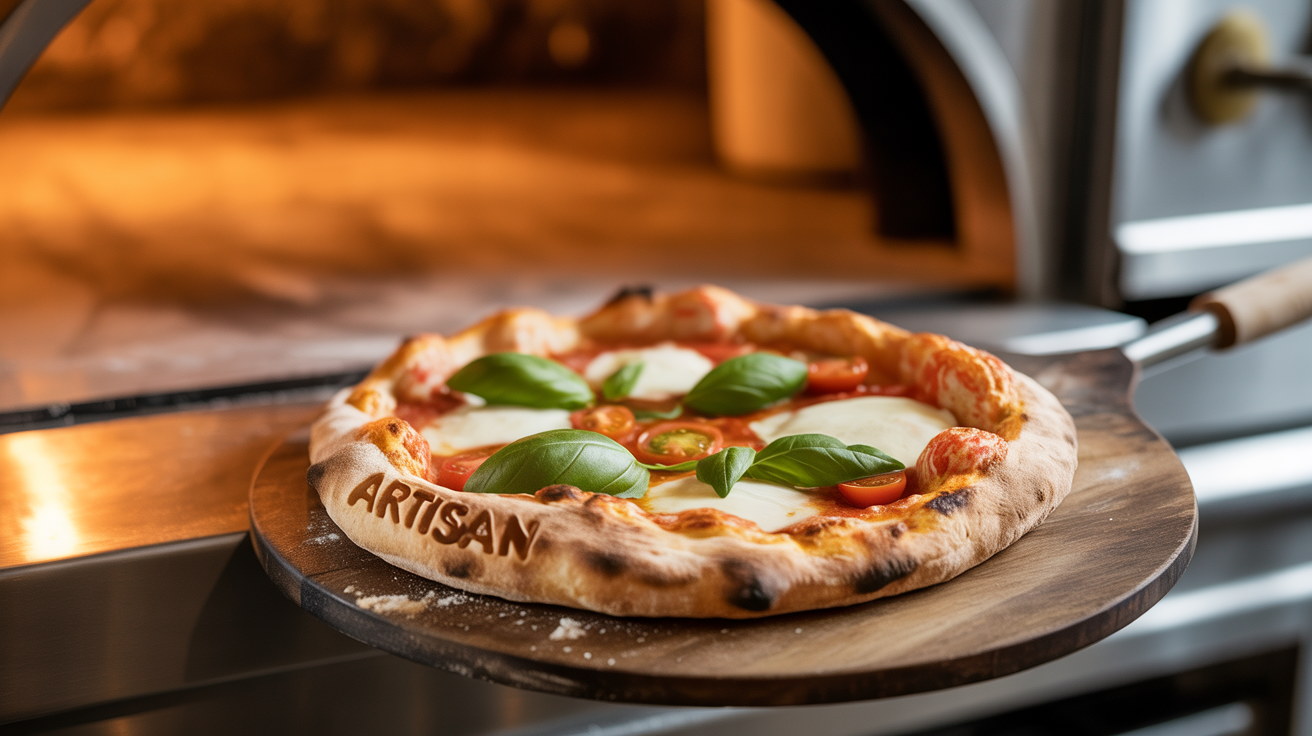
Heat your oven to its maximum temperature (usually around 250°C/480°F). If you have a pizza stone or steel, preheat it for at least 45 minutes. Slide your topped pizza onto the stone and bake for 6–8 minutes, until blistered and golden.
Tips & Tricks for Perfect Artisan Pizza Dough
- Hydration is key – Don’t be afraid of sticky dough. A wetter dough = better air pockets.
- Cold fermentation – The fridge is your best friend. Never rush this step.
- Flour matters – If you can, use bread flour or Tipo “00.” All-purpose will work, but the chew won’t be the same.
- Don’t overload toppings – This dough deserves to shine. Less is more.
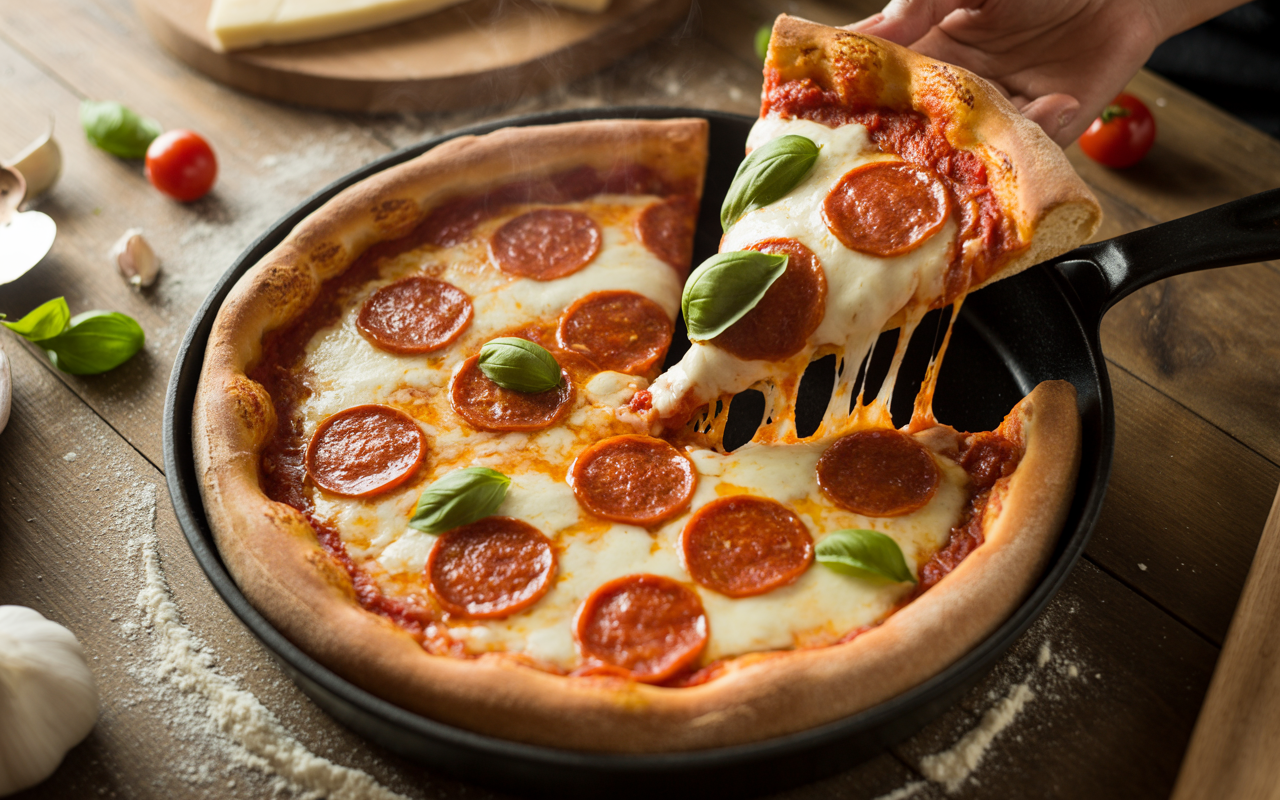
- Invest in a pizza stone/steel – It makes a world of difference. Crispy bottom, soft interior.
- Olive oil trick – Brush the edges with olive oil before baking for a gorgeous golden crust.
My Favorite Toppings for Artisan Dough
This dough is so versatile that you can go classic or creative. Some of my personal favorites:
- Margherita – tomato, fresh mozzarella, basil, drizzle of olive oil.
- Bianca – ricotta, mozzarella, garlic, rosemary, sea salt.
- Prosciutto & Arugula – prosciutto, shaved parmesan, fresh arugula after baking.
- Mushroom & Truffle Oil – earthy, aromatic, a dream combo.
FAQs About Artisan Pizza Dough Recipe
Q: Can I freeze artisan pizza dough?
Yes! After the bulk fermentation, divide into balls and freeze in airtight bags. Thaw in the fridge overnight before use.
Q: How do I know if my dough is ready to bake?
It should be airy, soft, and slightly jiggly. Press it lightly with your finger—the dent should slowly spring back.
Q: Can I make it same-day?
Technically yes, but you’ll lose the depth of flavor. At least 24 hours is ideal.
Q: Do I need special equipment?
A pizza stone or steel is a game-changer, but even a heavy baking sheet preheated in the oven can work.
Final Thoughts
Making artisan pizza dough at home isn’t just about pizza. It’s about slowing down. About respecting the process. About turning four humble ingredients into something magical.
Every time I pull a bubbling pizza out of the oven, I’m reminded why I fell in love with cooking in the first place. The crust crackles, the aroma fills the air, and every bite feels alive with flavor.
So the next time you’re craving pizza, skip the delivery. Make this artisan pizza dough recipe, top it with your favorites, and taste the difference that patience, care, and love can make.
See Also: Apple Pizza Recipe | Sweet & Easy Italian Dessert Pizza