
Wood Fired Pizza Dough Recipe – How to Make the Perfect Authentic Crust
If you’ve ever bitten into a true Neapolitan-style pizza baked in a roaring wood-fired oven, you know there’s nothing quite like it. The charred yet tender crust, the faint kiss of smoke, the chewy interior with bubbles that stretch like silk—it’s magic. But here’s the best part: with the right recipe, a little patience, and some love, you can create that same rustic beauty right at home.
In this article, I’ll walk you through my tried-and-true wood fired pizza dough recipe, the one I’ve been making for years in my backyard oven and even occasionally in my indoor oven when the weather isn’t cooperating. I’ll share my ingredient secrets, my fermentation process, and the small tweaks that make all the difference. Whether you’re a beginner just learning to stretch dough or a seasoned pizza enthusiast, this recipe will give you a crust that makes your taste buds sing.
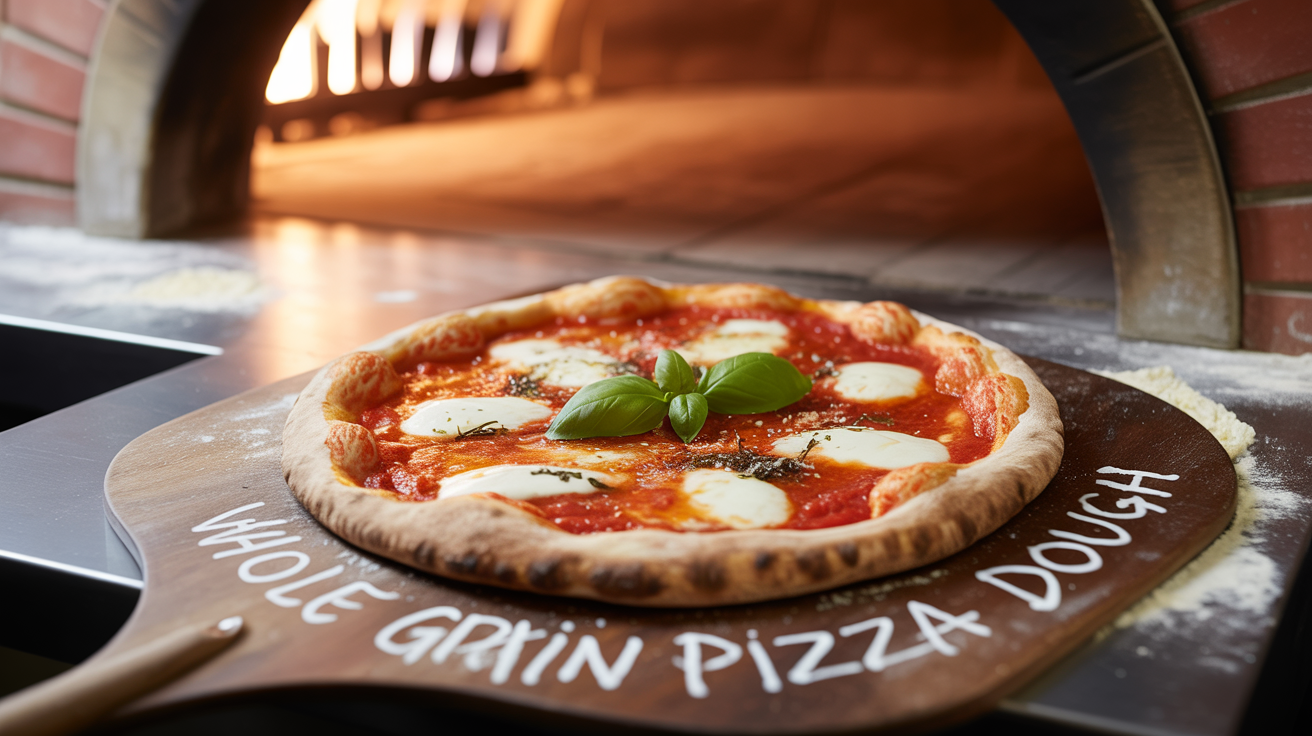
Why Wood Fired Pizza Dough Is So Special
Pizza baked in a wood-fired oven isn’t just food—it’s an experience. The combination of high heat (usually between 750°F–900°F / 400°C–480°C) and wood smoke transforms a humble ball of dough into something extraordinary. The crust puffs dramatically, develops beautiful leopard spots (those little char marks we all crave), and stays light while still being chewy.
The dough itself is the foundation. A good wood fired pizza dough recipe balances hydration, fermentation, and flavor so that when the flames hit it, you get the perfect marriage of texture and taste. Trust me: once you’ve nailed this dough, you’ll never look back at delivery pizza again.
Ingredients and Measurements
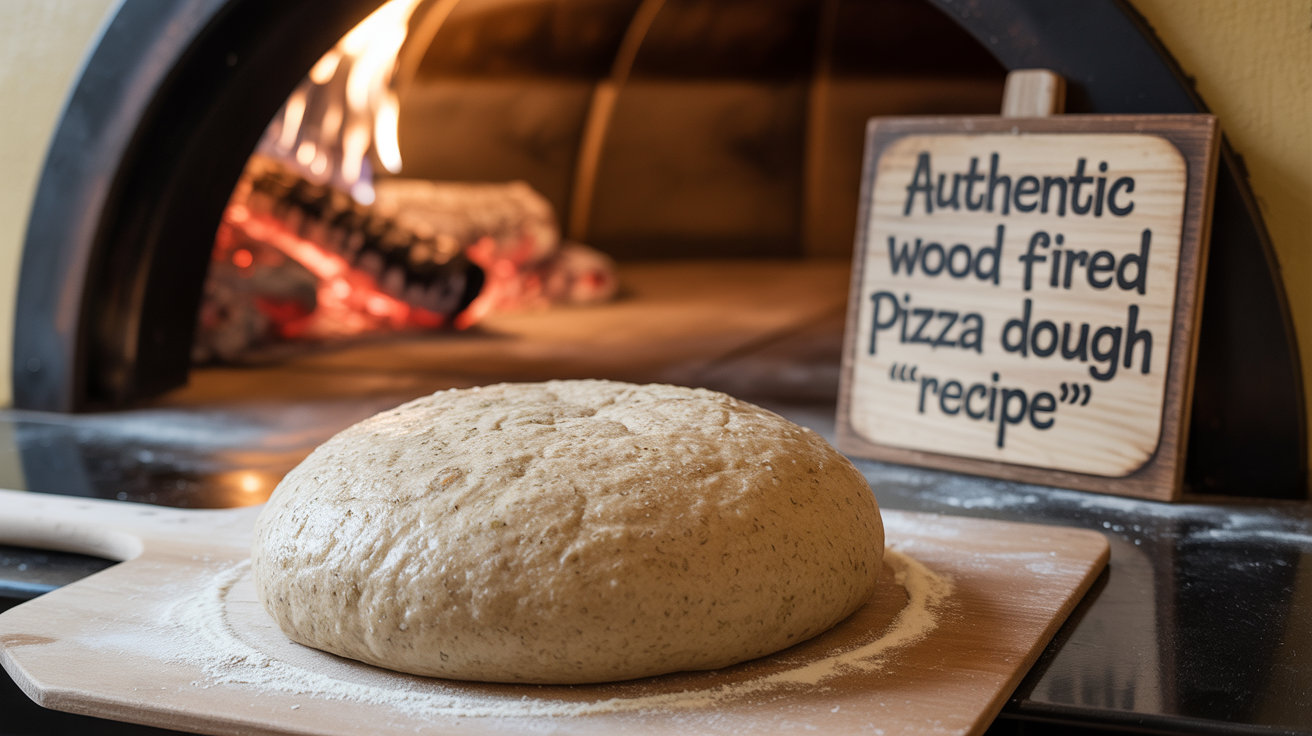
Here’s the exact recipe I use for making 4 wood fired pizza dough balls (about 10–12 inches each).
| Ingredient | Measurement | Notes |
|---|---|---|
| Tipo “00” flour | 500 g (about 4 cups) | Use high-quality Italian 00 flour for best results |
| Water (room temp) | 325 ml (1⅓ cups) | About 65% hydration |
| Active dry yeast | 2 g (½ tsp) | Or 4 g fresh yeast |
| Salt (fine sea salt) | 10 g (2 tsp) | Essential for flavor |
| Olive oil (optional) | 1 tbsp | Traditional Neapolitan recipes skip this, but I sometimes add for softness |
Step-by-Step Instructions
Step 1: Mix the Dough
Start by dissolving the yeast in the water. In a large bowl, combine flour and salt. Slowly add the yeast-water mixture while mixing with your hand or a wooden spoon. The dough will be shaggy at first—don’t panic, that’s exactly how it should look.
Step 2: Knead and Rest
Turn the dough onto a clean surface and knead gently for about 10 minutes. The goal isn’t to beat it into submission, but to develop a smooth, elastic texture. If the dough feels too sticky, resist the urge to dump in more flour—just keep kneading, and it will come together.
Pro tip: I often knead in short bursts, letting the dough rest for 2–3 minutes in between. This gives the gluten time to relax and makes kneading easier.
Step 3: First Rise
Place the dough in a lightly oiled bowl, cover it with a damp cloth, and let it rest for 2 hours at room temperature. It should double in size.
Step 4: Cold Fermentation
Here’s where the magic happens. After the initial rise, punch down the dough, divide it into 4 equal balls, and place them in airtight containers or covered trays. Let them ferment in the refrigerator for 24–48 hours.
This long, slow fermentation builds flavor and makes the crust light, airy, and full of character. Honestly, if you skip this step, you’ll never get that authentic wood-fired pizzeria taste.
Step 5: Bring to Room Temperature
About 2 hours before baking, take the dough balls out of the fridge. Let them rest at room temp, covered, so they’re relaxed and ready to stretch.
Step 6: Stretch the Dough
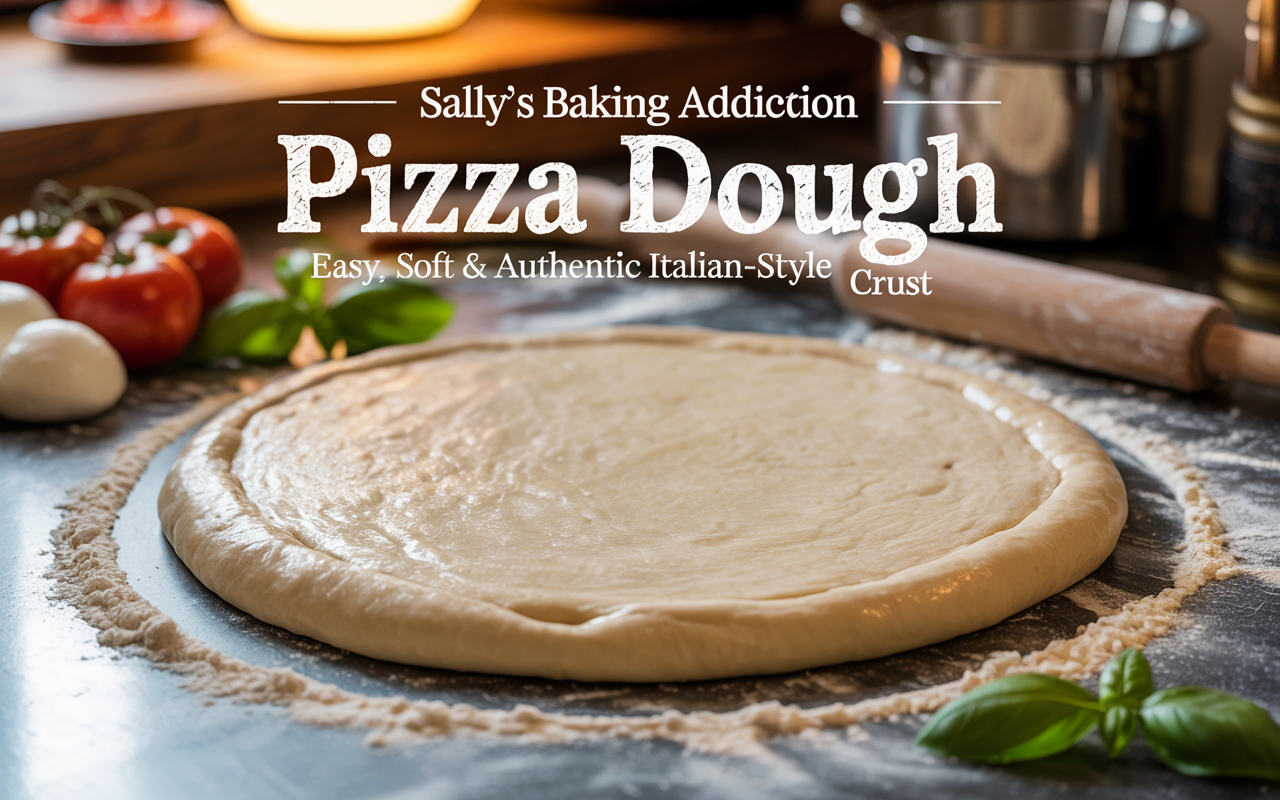
Flour your hands and work surface lightly. Press the dough gently from the center outward, leaving the edges a little thicker. Avoid using a rolling pin—you want those gorgeous air pockets intact. Each ball should stretch to about 10–12 inches.
Step 7: Bake in the Wood Fired Oven
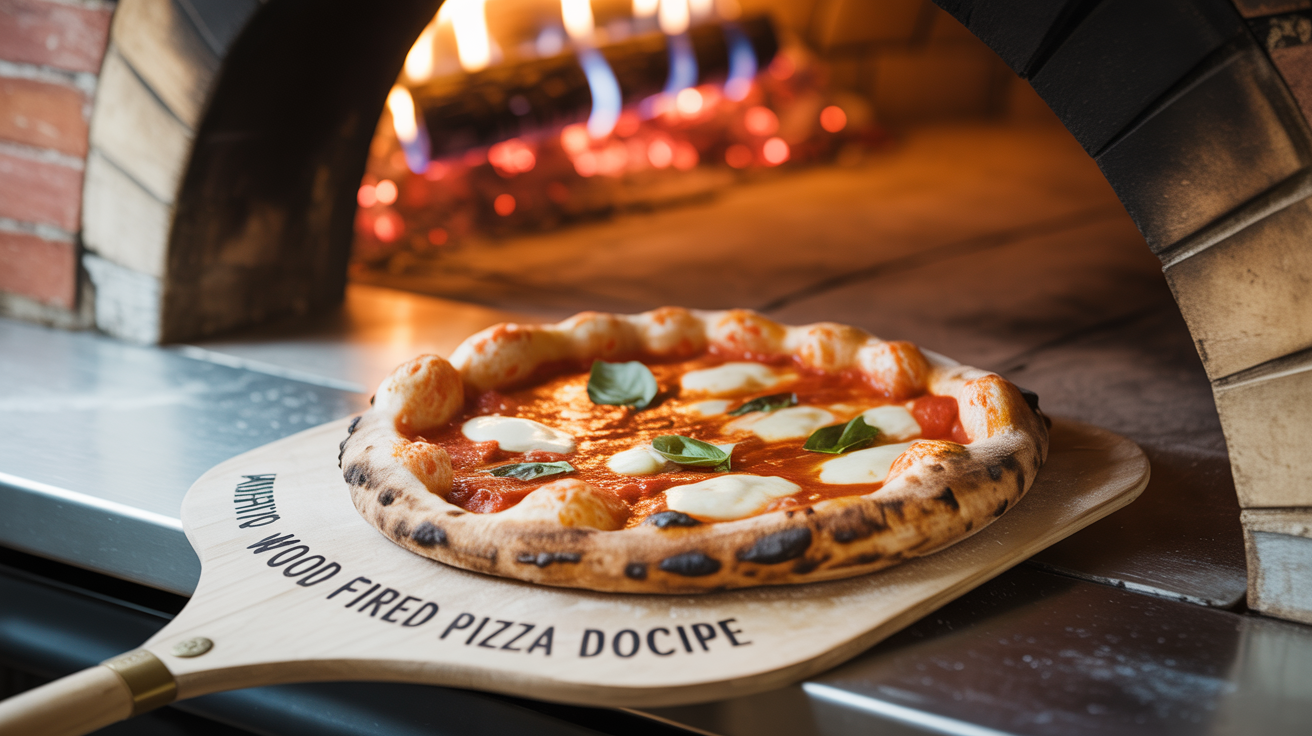
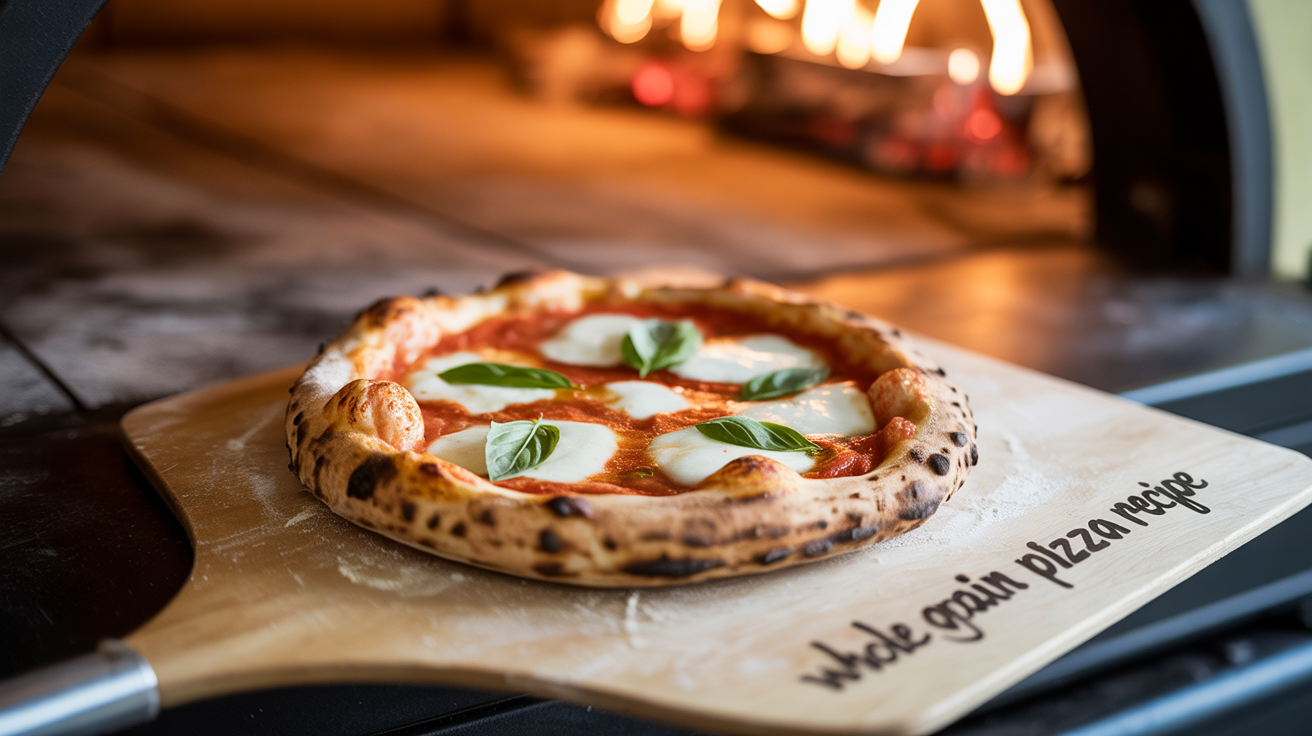
Your oven should be blazing hot—750°F to 900°F (400–480°C). Slide the pizza onto the stone or floor of the oven with a peel. Bake for 60–90 seconds, rotating once or twice for even cooking.
What you’ll see: a crust that bubbles and chars, cheese that melts into creamy puddles, and toppings that taste kissed by fire. Heaven.
Tips & Tricks for the Best Wood Fired Pizza Dough
- Use 00 Flour: This finely milled Italian flour is designed for pizza. It gives you a silky dough and that iconic chewy-but-light bite.
- Don’t Rush Fermentation: Flavor comes from time. A 24–48 hour cold ferment is worth every second.
- High Heat Is Key: The hotter your oven, the better the crust. If you don’t have a wood-fired oven, crank your kitchen oven to the max and use a pizza stone or steel.
- Less Topping, More Flavor: Authentic pizzas aren’t overloaded. A smear of sauce, a few slices of fresh mozzarella, maybe some basil leaves—that’s enough.
- Hydration Matters: Around 65% hydration gives you a dough that’s soft, pliable, and perfect for wood-fired baking.
FAQ – Wood Fired Pizza Dough Recipe
Q: Can I use all-purpose flour instead of 00 flour?
Yes, but the texture will be slightly different. All-purpose works fine, but 00 flour gives the most authentic results.
Q: How do I bake this if I don’t own a wood-fired oven?
Crank your oven to the highest setting (usually around 500°F / 260°C), preheat a pizza stone or steel for at least 45 minutes, and bake for 6–8 minutes.
Q: Do I have to add olive oil?
Traditional Neapolitan dough has no oil, just flour, water, yeast, and salt. I sometimes add a touch for softness, but it’s optional.
Q: Can I freeze the dough?
Yes. After the first rise, divide into balls, wrap tightly, and freeze. Thaw overnight in the fridge, then let it come to room temperature before baking.
Q: Why is cold fermentation important?
It slows down the yeast activity, allowing the dough to develop deep flavor and a better texture. The result is airy, digestible, and full of character.
Final Thoughts
Making your own wood fired pizza dough recipe isn’t just about following steps—it’s about connecting with tradition, slowing down, and letting simple ingredients transform into something extraordinary. Every time I light my oven and stretch a ball of dough, I feel like I’m part of a story that goes back hundreds of years to Naples, where pizza was born.
So grab some flour, water, yeast, and salt. Take your time. Let the dough tell you when it’s ready. And when that first bite of blistered, chewy crust hits your tongue, you’ll understand why I’ll never stop making pizza this way.
Because in the end, pizza isn’t just food—it’s joy, fire, family, and love on a plate.
See Also: Whole Grain Pizza Dough Recipe – Healthy, Hearty & Delicious Homemade Crust