
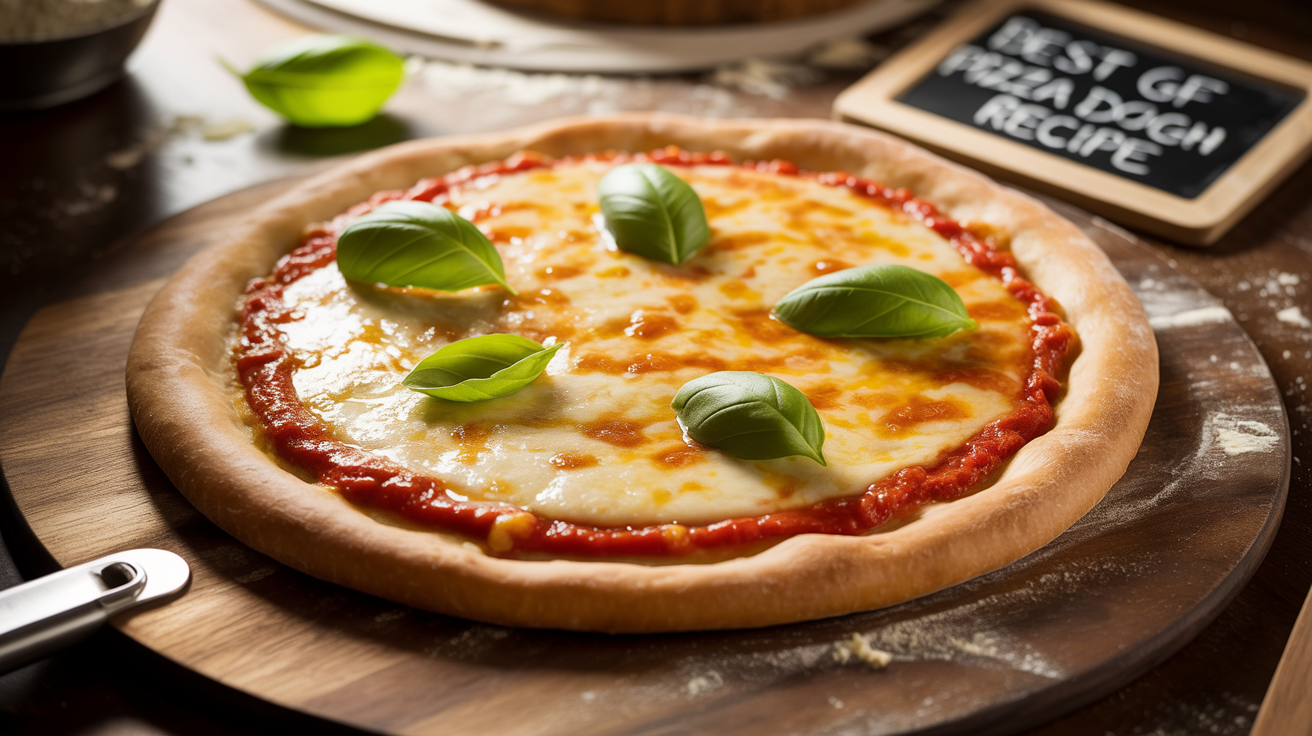
The Best GF Pizza Dough Recipe: Crispy, Chewy & Full of Flavor
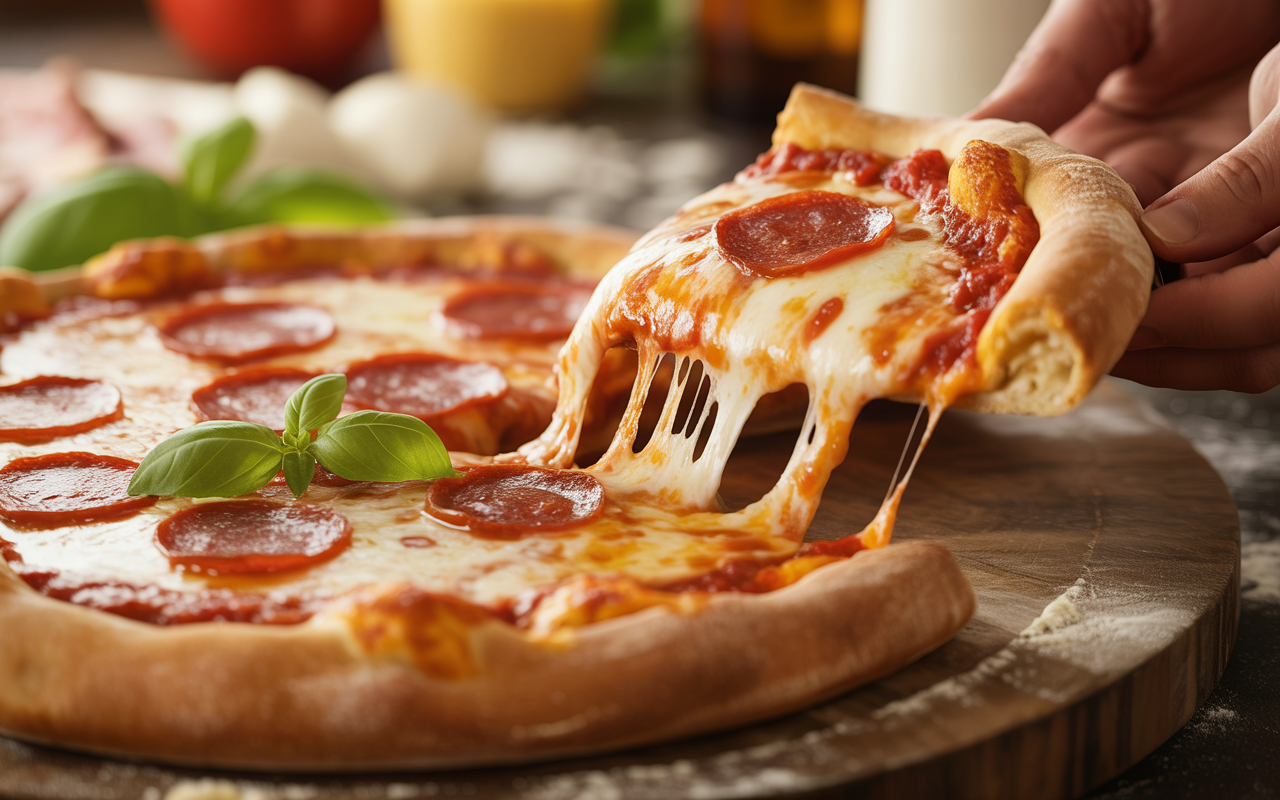
If you’re anything like me, you’ve probably spent countless hours chasing the perfect gf pizza dough recipe. Gluten-free pizza can be tricky—too often the crust turns out dense, gummy, or flavorless. But let me tell you: after years of testing, experimenting, and baking more pizzas than I can count, I’ve finally nailed a dough that’s crispy on the outside, soft and chewy in the middle, and sturdy enough to hold your toppings without falling apart.
This isn’t just another gluten-free recipe—it’s one that actually tastes like pizza. Real pizza. The kind you crave on a Friday night, paired with a glass of wine or a cold beer, fresh out of your oven.
In this post, I’ll walk you through step by step how to make my gluten free pizza dough recipe at home. I’ll share the exact ingredients, why they work, tips I’ve learned through trial and error, and how to adapt it to your taste. Whether you’re new to gluten-free baking or you’ve been doing it for years, this recipe will change your pizza game forever.
Ingredients and Measurements
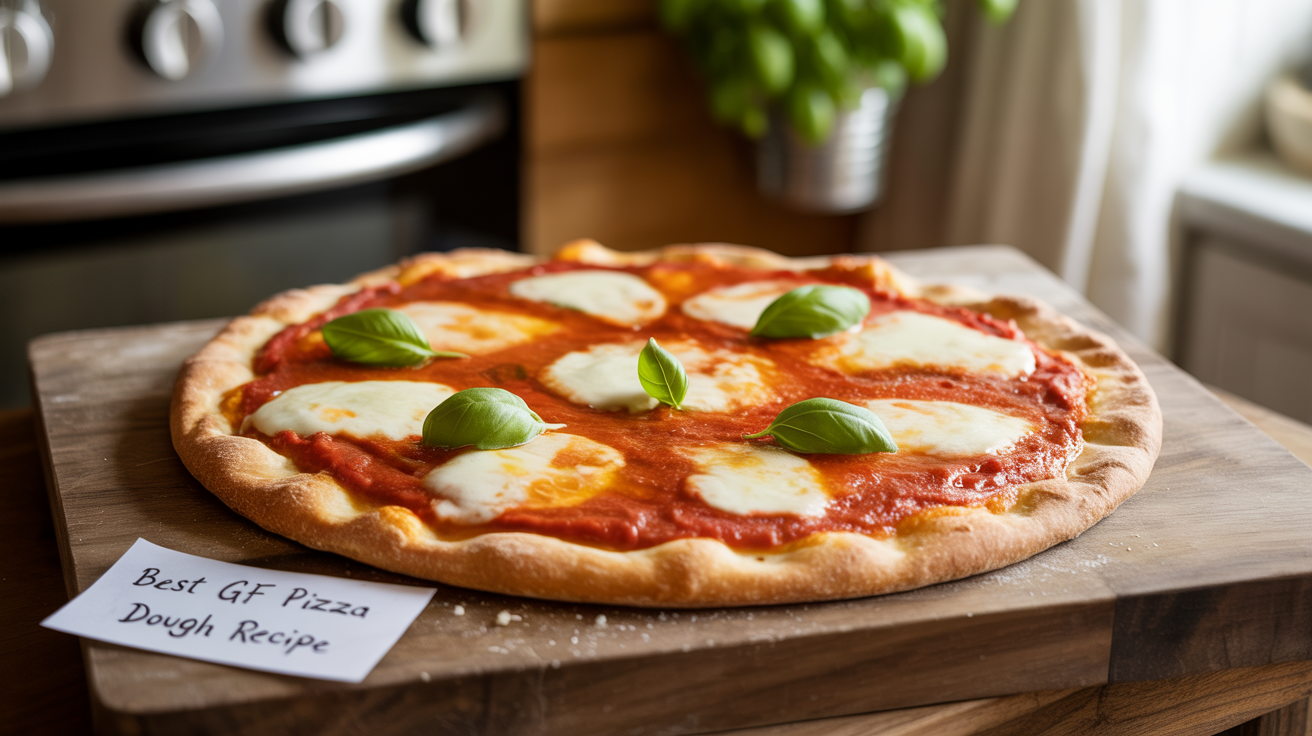
Here’s everything you’ll need for one large gluten-free pizza crust (or two medium ones).
| Ingredient | Measurement |
|---|---|
| Gluten-free all-purpose flour blend (with xanthan gum) | 2 ½ cups (300g) |
| Instant yeast | 2 ¼ tsp (1 packet) |
| Warm water (about 110°F / 43°C) | 1 cup (240ml) |
| Olive oil | 2 tbsp |
| Sugar or honey | 1 tbsp |
| Salt | 1 tsp |
| Baking powder | ½ tsp |
| Apple cider vinegar (or lemon juice) | 1 tsp |
| Optional: garlic powder or dried Italian herbs | 1 tsp for extra flavor |
Note: Not all gluten-free flour blends are equal. I recommend a blend that includes rice flour, potato starch, and tapioca flour. If your blend doesn’t have xanthan gum, add 1 tsp to help bind the dough.
Step-by-Step Instructions
Step 1: Activate the yeast
- In a small bowl, mix the warm water, sugar (or honey), and yeast.
- Let it sit for 5–7 minutes until it becomes foamy. This step ensures your dough will rise properly.
Step 2: Mix dry ingredients
- In a large mixing bowl, combine the gluten-free flour blend, baking powder, and salt.
- Add garlic powder or herbs if you’d like a more flavorful crust.
Step 3: Bring it together
- Pour the activated yeast mixture into the flour mix.
- Add olive oil and apple cider vinegar.
- Stir until a sticky dough forms. Don’t panic—it will be wetter than traditional wheat dough. That’s normal for gluten-free baking.
Step 4: Knead gently
- Using a stand mixer with a dough hook (or your hands with a spatula), knead the dough for 3–4 minutes.
- The dough should be smooth but still tacky. If it’s too dry, add 1–2 tbsp of warm water. If too wet, sprinkle in a little more flour.
Step 5: First rise
- Lightly oil a bowl, place the dough inside, cover with plastic wrap, and let it rise in a warm spot for 45–60 minutes.
- The dough won’t double in size like wheat dough, but it should puff up a bit.
Step 6: Shape the crust
- Preheat your oven to 450°F (230°C) with a pizza stone or baking sheet inside.
- Transfer the dough onto parchment paper.
- Use wet hands to press and shape it into a round or rectangular pizza crust about ¼-inch thick.
Step 7: Par-bake
- Slide the crust (on the parchment) onto the hot stone or baking sheet.
- Bake for 7–8 minutes until it just starts to set.
- Remove from oven, add your sauce, cheese, and toppings.
Step 8: Final bake
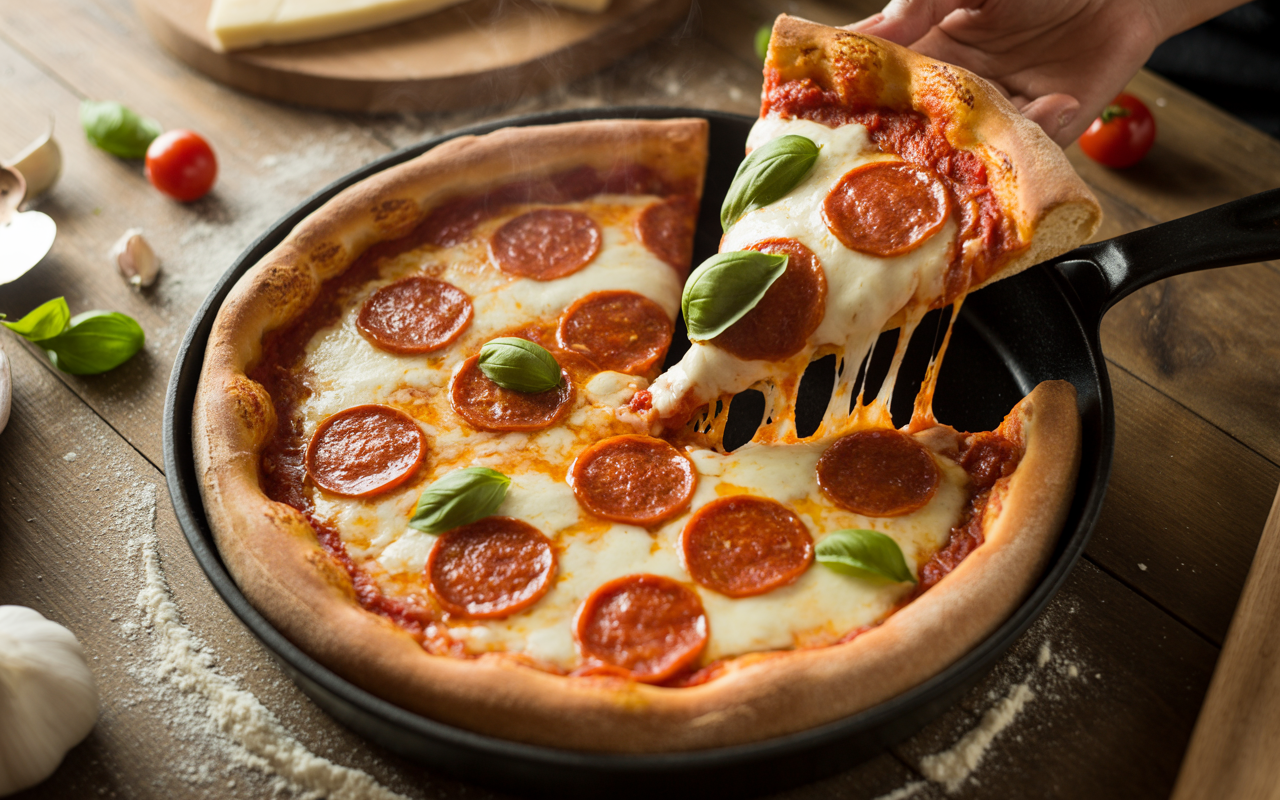
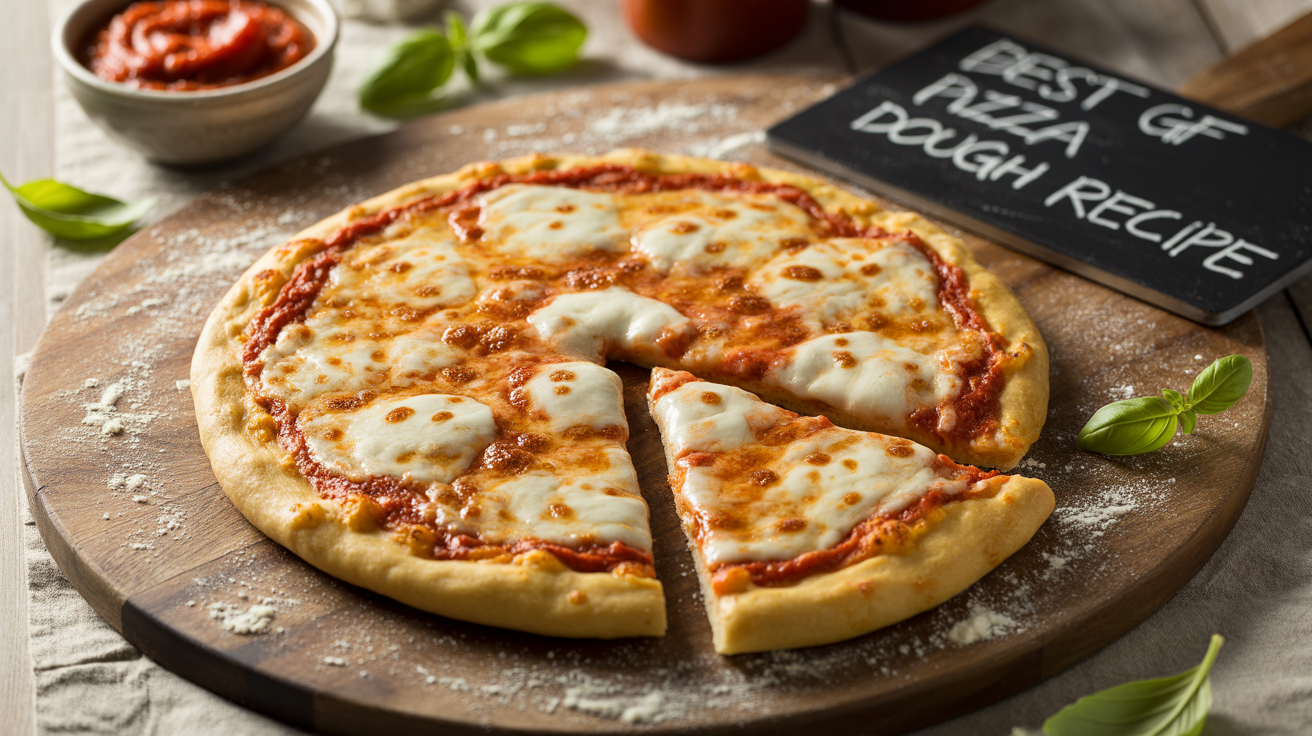
- Return the topped pizza to the oven and bake another 10–12 minutes, until the crust is golden and the cheese is bubbly.
And there you have it—the perfect gluten free pizza dough recipe that doesn’t taste like cardboard!

Tips & Tricks for Perfect GF Pizza Dough
- Use the right flour blend. Not all gluten-free flours behave the same. I swear by blends with rice flour, tapioca, and potato starch. Avoid heavy bean flours unless you like dense crusts.
- Par-bake every time. Gluten-free dough needs that initial bake to avoid sogginess once you add toppings.
- Don’t skip the vinegar. It helps the dough rise and adds lightness.
- High heat is key. A screaming-hot oven mimics a pizza oven and gives you that crisp bottom crust.
- Rest the dough. Even though it doesn’t have gluten, resting helps hydrate the flour and improves texture.
FAQs
1. Can I make this dough ahead of time?
Yes! You can refrigerate the dough for up to 24 hours. Just let it come back to room temperature before shaping.
2. Can I freeze gluten-free pizza dough?
Absolutely. After the first rise, wrap the dough tightly in plastic and freeze. Thaw overnight in the fridge before using.
3. What toppings go best with gluten-free crust?
Classic margherita, veggie-loaded pizzas, BBQ chicken, or even white pizzas with ricotta all shine with this dough.
4. Do I need a stand mixer?
No, but it helps. If mixing by hand, use a sturdy spoon or spatula since the dough is sticky.
5. Why is my crust crumbly?
That usually means not enough xanthan gum or too much flour. Add a splash of water and knead again.
Final Thoughts
Finding a reliable gf pizza dough recipe can feel like chasing unicorns. But trust me—this one works. The crust comes out crispy yet chewy, flavorful yet light, and it holds up to any topping combination you throw at it.
I’ve made this for friends who don’t even eat gluten-free, and they’ve devoured every slice without realizing it was different. That’s the true test of a great recipe—it makes everyone at the table happy.
So grab your favorite toppings, heat up that oven, and treat yourself to pizza night the way it should be: homemade, delicious, and totally satisfying.
Because gluten-free doesn’t mean giving up on flavor. It just means getting creative—and in this case, it means enjoying one of the best pizzas you’ll ever pull from your oven.
See Also: Fruit Pizza Frosting Recipe | Creamy, Sweet & Perfect for Any Fruit Pizza