
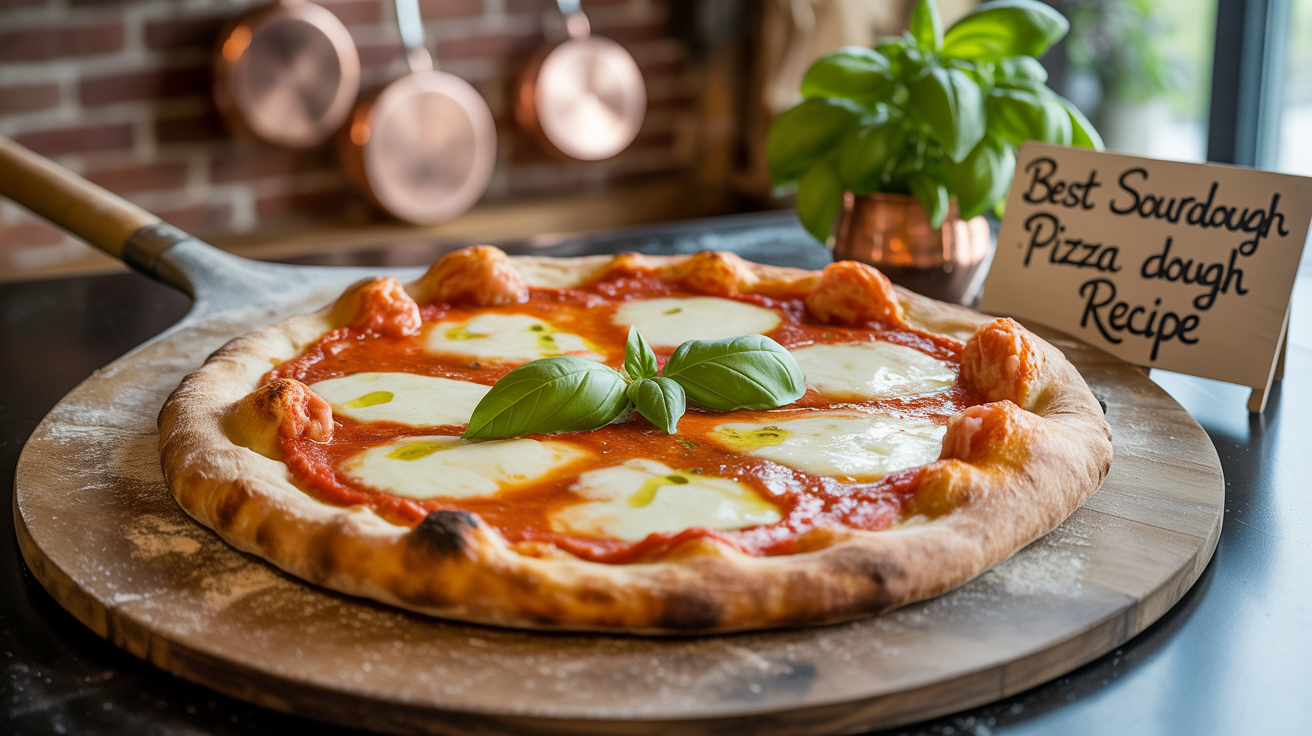
The Best Sourdough Pizza Dough Recipe You’ll Ever Make (Authentic Italian Method)
There’s something magical about making pizza at home. The aroma of freshly baked dough, the crackle as you slice into a hot pie, the balance of chewy crust and blistered edges—it’s irresistible. But let me tell you, once you learn how to master the best sourdough pizza dough recipe, you’ll never go back to store-bought crust or quick yeasted versions again.
I’ve been working with sourdough for years, tweaking hydration, playing with fermentation times, and learning from old Italian bakers who treat dough like poetry. And after countless test batches (and yes, plenty of pizza parties where friends happily acted as taste testers), I can confidently share with you the recipe that delivers every time.
This isn’t just about mixing flour and water—it’s about creating a living, breathing dough that develops rich flavor, perfect chew, and that signature leopard-spotting you see on authentic Neapolitan pies.
So grab your starter, clear your counter, and let’s dive into the art of making sourdough pizza dough at home.

Why Sourdough Pizza Dough Is Worth the Effort
Before we jump into the ingredients and process, let’s talk about why sourdough makes pizza crust so special:
- Flavor: Natural fermentation develops complex, tangy notes that commercial yeast simply can’t replicate.
- Digestibility: Many people find sourdough easier to digest because the long fermentation breaks down gluten and starches.
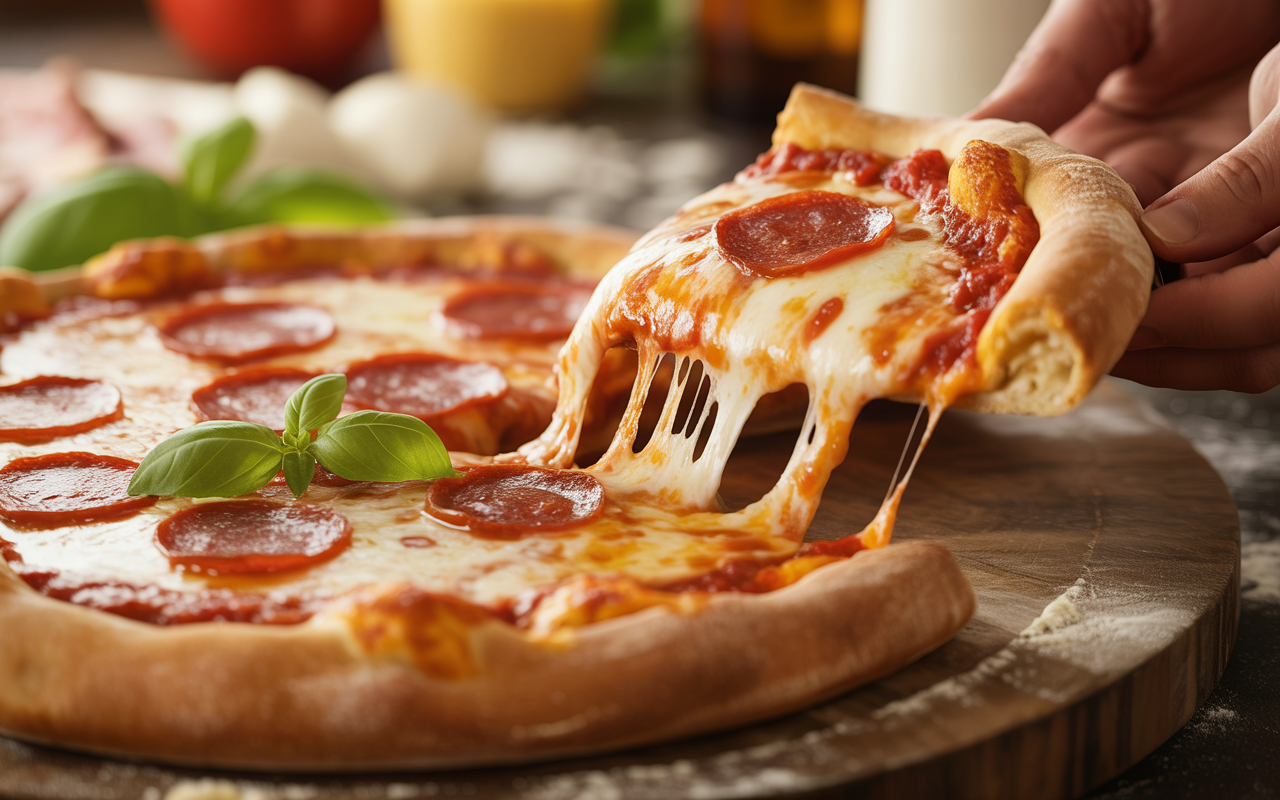
- Texture: Expect a light, airy interior with a crisp, blistered crust that still has that tender chew.
- Tradition: This method honors the roots of Italian pizza-making, where slow fermentation is the secret to greatness.
Honestly, once you’ve tasted a proper sourdough pizza crust, it’s hard to go back to anything else.
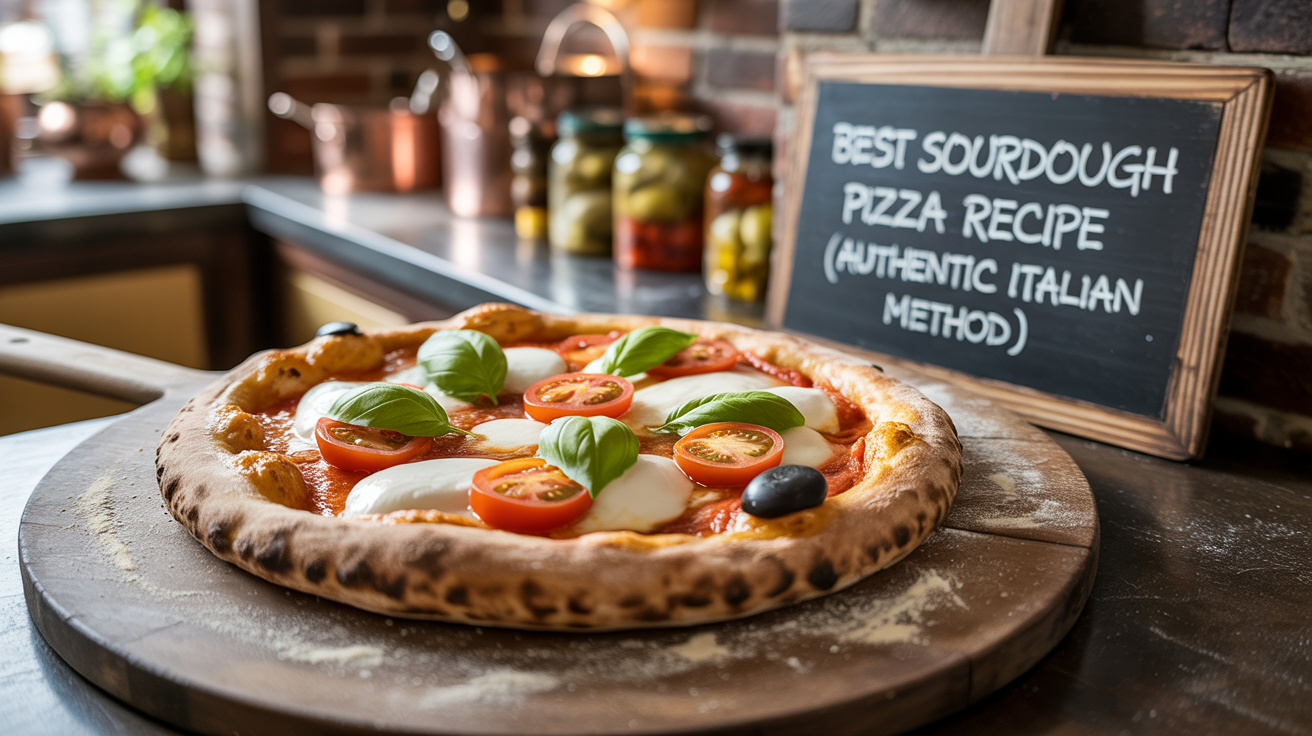
Ingredients for the Best Sourdough Pizza Dough Recipe
Here’s everything you’ll need to make two large pizzas or four individual ones:
| Ingredient | Measurement | Notes |
|---|---|---|
| Active sourdough starter | 150 g (about ¾ cup) | Bubbly, fed 4–8 hours before baking |
| Bread flour (or Tipo “00”) | 500 g (about 4 cups) | High-protein flour works best for strength and elasticity |
| Water (lukewarm) | 325 g (about 1 ⅓ cups) | Filtered water is best; hydration is ~65% |
| Olive oil | 15 g (1 tbsp) | Adds tenderness and flavor |
| Sea salt | 12 g (2 tsp) | Balances flavor and strengthens gluten structure |

Step-by-Step Instructions
Here’s the process broken down, so you can follow along with confidence:
1. Feed Your Starter
A healthy starter is the foundation of this recipe. Feed it 4–8 hours before you plan to mix the dough. It should be bubbly, doubled in size, and pass the “float test” (a spoonful dropped in water should float).
2. Mix the Dough (Autolyse)
In a large bowl, combine the flour and water (hold back about 20 g of water). Mix until no dry flour remains. Cover and let rest for 30–45 minutes. This step hydrates the flour and begins gluten development.
3. Add Starter, Salt, and Olive Oil
Add the sourdough starter, salt, and olive oil to the dough. Mix well by hand until everything is incorporated. The dough will be sticky, but that’s okay—sourdough thrives with higher hydration.
4. Stretch and Fold
Over the next 2 hours, perform stretch and folds every 30 minutes. To do this, grab one side of the dough, stretch it upward, and fold it over itself. Rotate the bowl and repeat 4 times. This strengthens the gluten network without heavy kneading.
5. Bulk Fermentation
Cover the dough and let it rise at room temperature (around 22–24°C / 72–75°F) for 4–6 hours, until it has roughly doubled. You should see bubbles forming and the dough should look alive.
6. Cold Fermentation
Transfer the dough to the fridge for a slow fermentation of 12–48 hours. This step develops incredible flavor and makes the dough easier to work with.
7. Divide and Shape
When ready to bake, bring the dough to room temperature for 1–2 hours. Divide into portions (about 250 g for individual pizzas). Shape into smooth balls, cover, and let them rest for 30 minutes.
8. Stretch the Dough
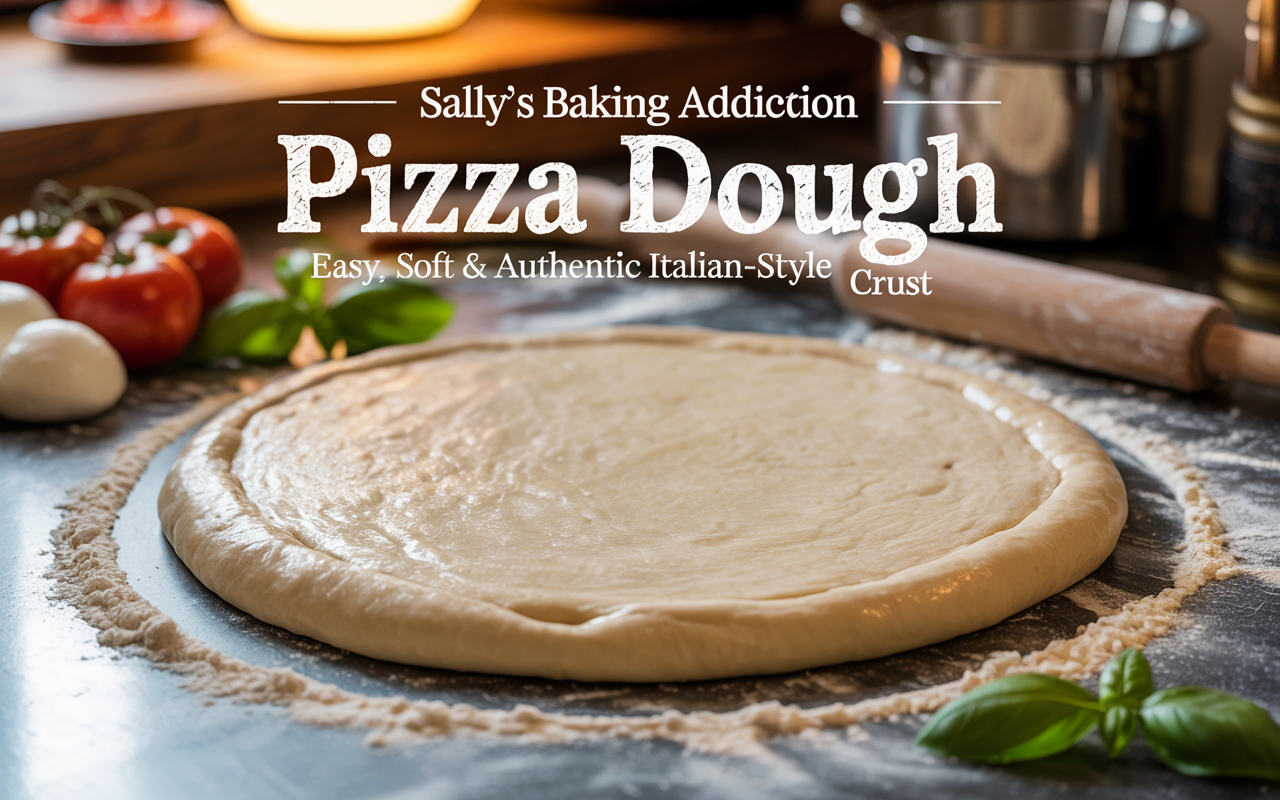
On a lightly floured surface, gently stretch each dough ball into a circle. Avoid using a rolling pin, which will press out the air bubbles.
9. Top and Bake
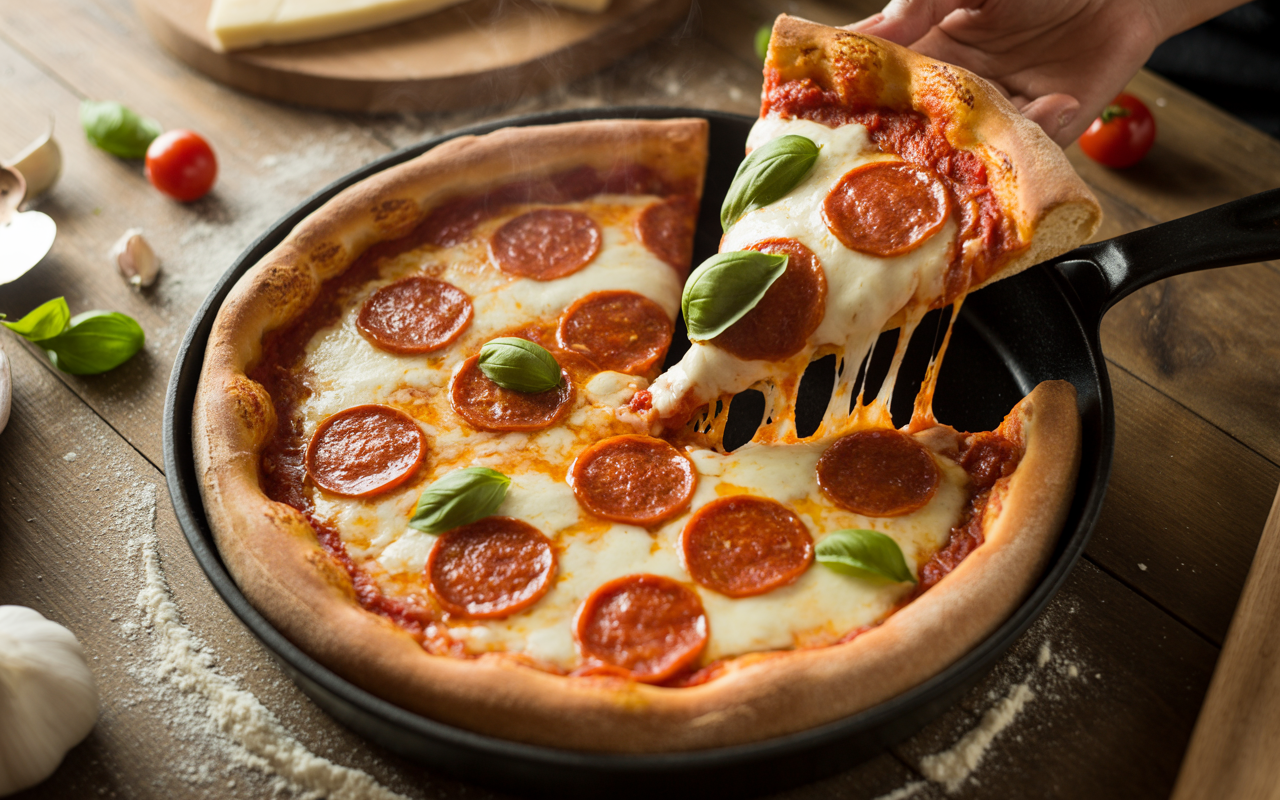
Preheat your oven to its highest setting (250°C / 480°F or higher) with a pizza stone or steel inside. Bake each pizza for 6–8 minutes, or until the crust is puffed, blistered, and golden.
Tips & Tricks for Perfect Sourdough Pizza
- Use Tipo “00” flour: This ultra-fine Italian flour gives the dough a silky texture and better elasticity.
- Don’t rush fermentation: Flavor takes time. A long, cold ferment is the secret to depth.
- Hydration matters: Adjust water slightly depending on your flour type. Wetter dough = airier crust.
- Oven setup: A baking steel or stone makes a huge difference, holding heat for that crispy bottom.
- Experiment with timing: Warmer kitchens may shorten rise times; cooler ones will extend them.
- Toppings: Keep them light! Too much sauce or cheese can weigh down the dough.
FAQ About the Best Sourdough Pizza Dough Recipe
Q: Can I freeze sourdough pizza dough?
Yes! After dividing and shaping into balls, wrap tightly and freeze. Thaw overnight in the fridge before baking.
Q: What if my starter isn’t very active?
If your starter is sluggish, feed it a couple of times over 24 hours before using. Active starter is key for a good rise.
Q: Do I need a pizza oven for this recipe?
No, a home oven with a steel or stone works beautifully. But if you have a wood-fired oven, even better!
Q: Can I use whole wheat flour?
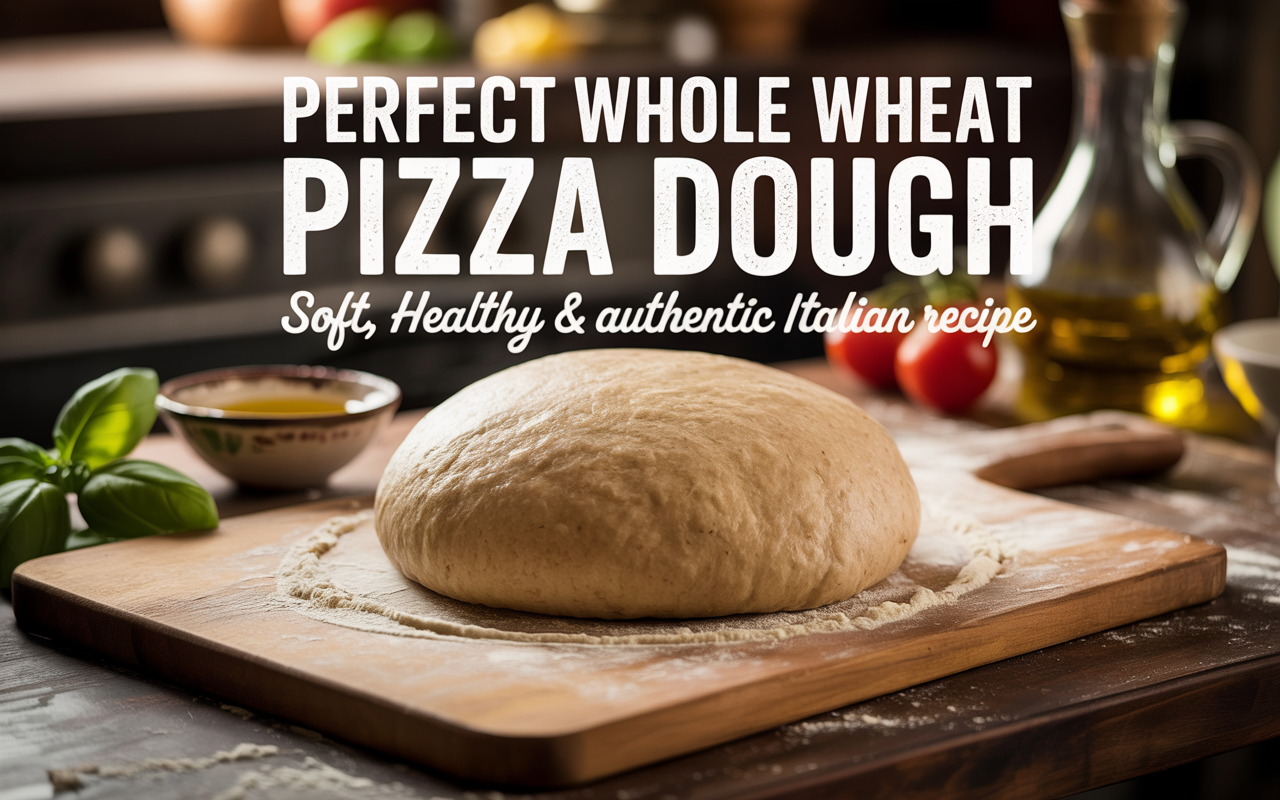
Yes, but swap no more than 20–30% of the flour to avoid a dense crust. Whole wheat adds a nutty flavor.
Q: How long can I cold ferment the dough?
Up to 72 hours. Beyond that, the dough may over-ferment and lose structure.
Final Thoughts
Making the best sourdough pizza dough recipe at home isn’t just about the end result—it’s about the process. The feel of the dough as it strengthens, the smell of fermentation, the joy of pulling a bubbling, golden pizza from your oven—it’s pure magic.
Once you’ve mastered this, you’ll realize pizza night will never be the same again. Friends and family will beg for seconds, and you’ll beam with pride knowing you created something truly special, from scratch, with your own hands.
So, feed that starter, roll up your sleeves, and start baking. Because the best pizza you’ll ever eat is the one you make yourself.
See Also: Best Gluten Free Pizza Dough Recipe | Crispy, Chewy & Delicious Crust