
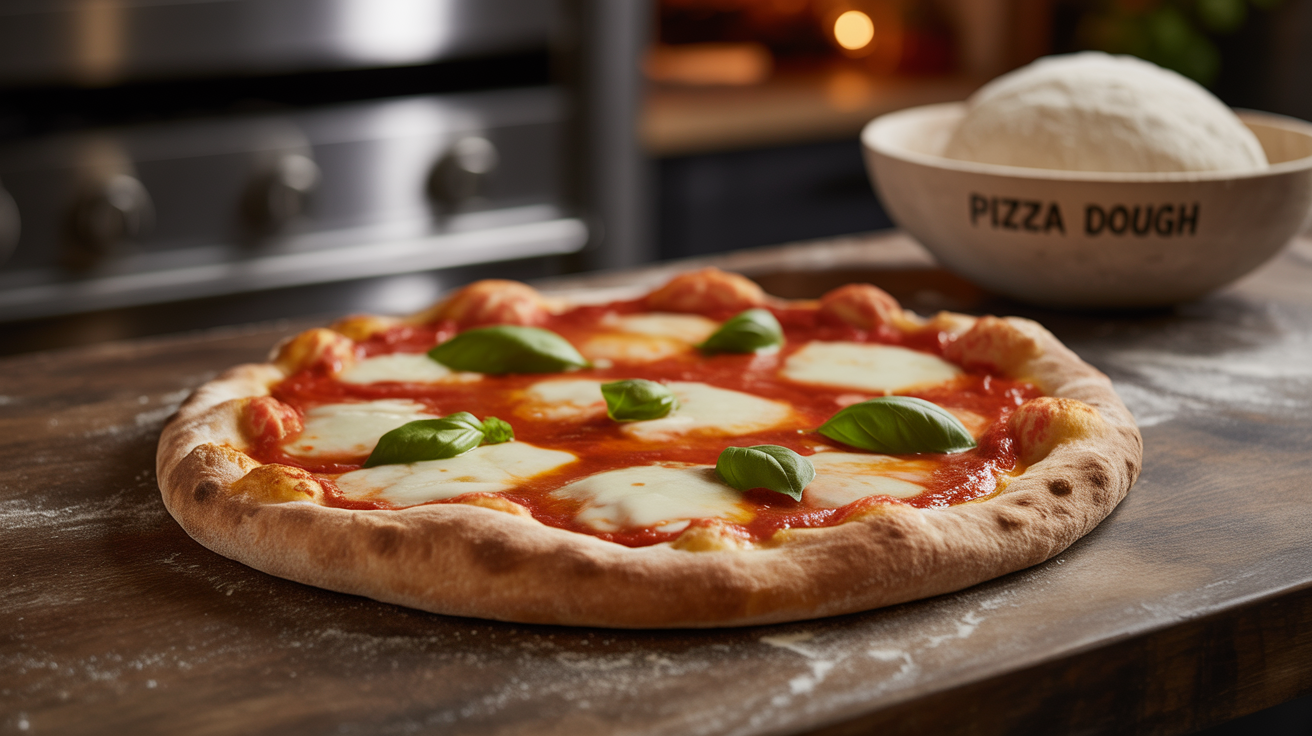
The Perfect Pizza Dough Thin Crust Recipe: Crispy, Flavorful, and Straight from My Kitchen
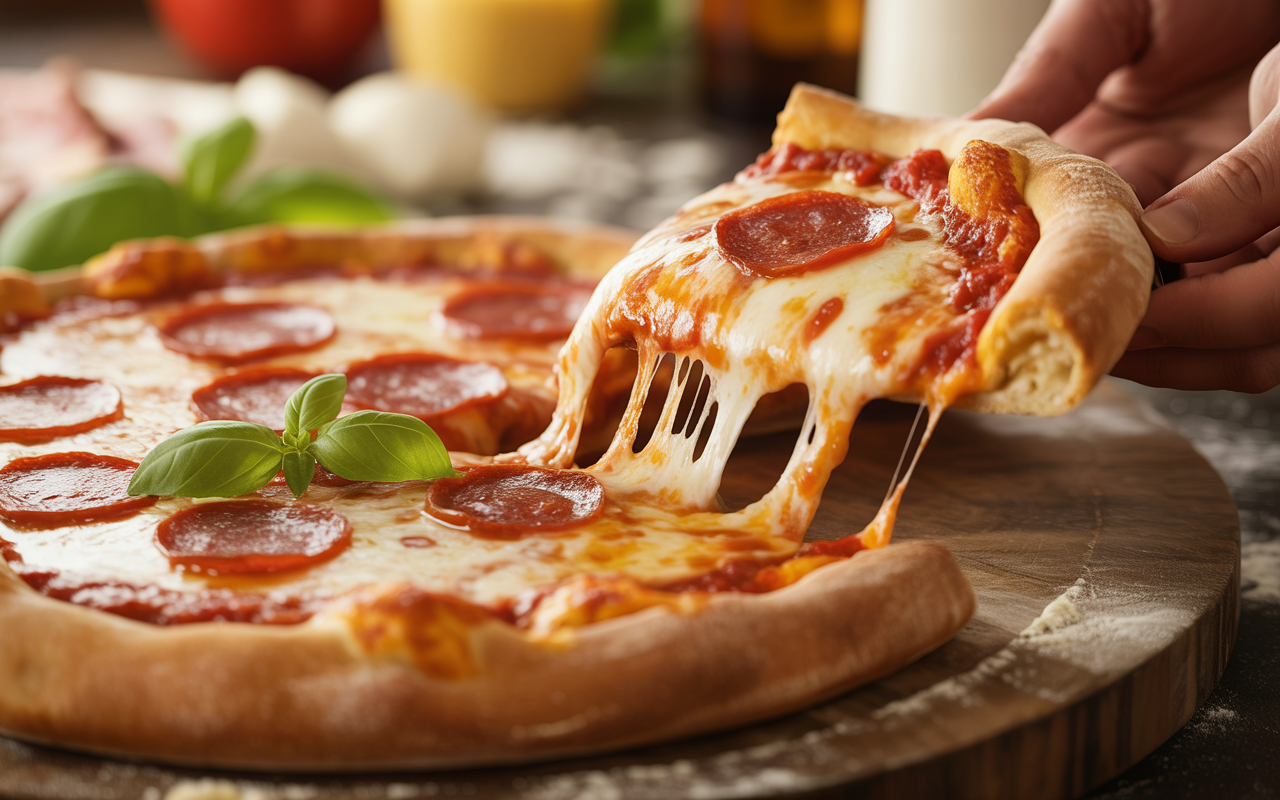
There’s something magical about biting into a slice of thin crust pizza. The crunch. The delicate chew. The way the toppings shine without being weighed down by a heavy base. If you’ve ever dreamed of mastering an authentic pizza dough thin crust recipe, I’m about to hand you my personal method — the one I’ve perfected over years of trial, error, and countless family pizza nights.
Forget store-bought crusts or doughs that turn soggy in the middle. With just a handful of pantry ingredients and a little patience, you can create a crispy pizza crust that rivals your favorite pizzeria. This is the same recipe I use whether I’m baking in my home oven, sliding it onto a pizza stone, or even grilling it outside on summer nights.
So, grab your flour, olive oil, and a little enthusiasm — let’s make pizza magic.
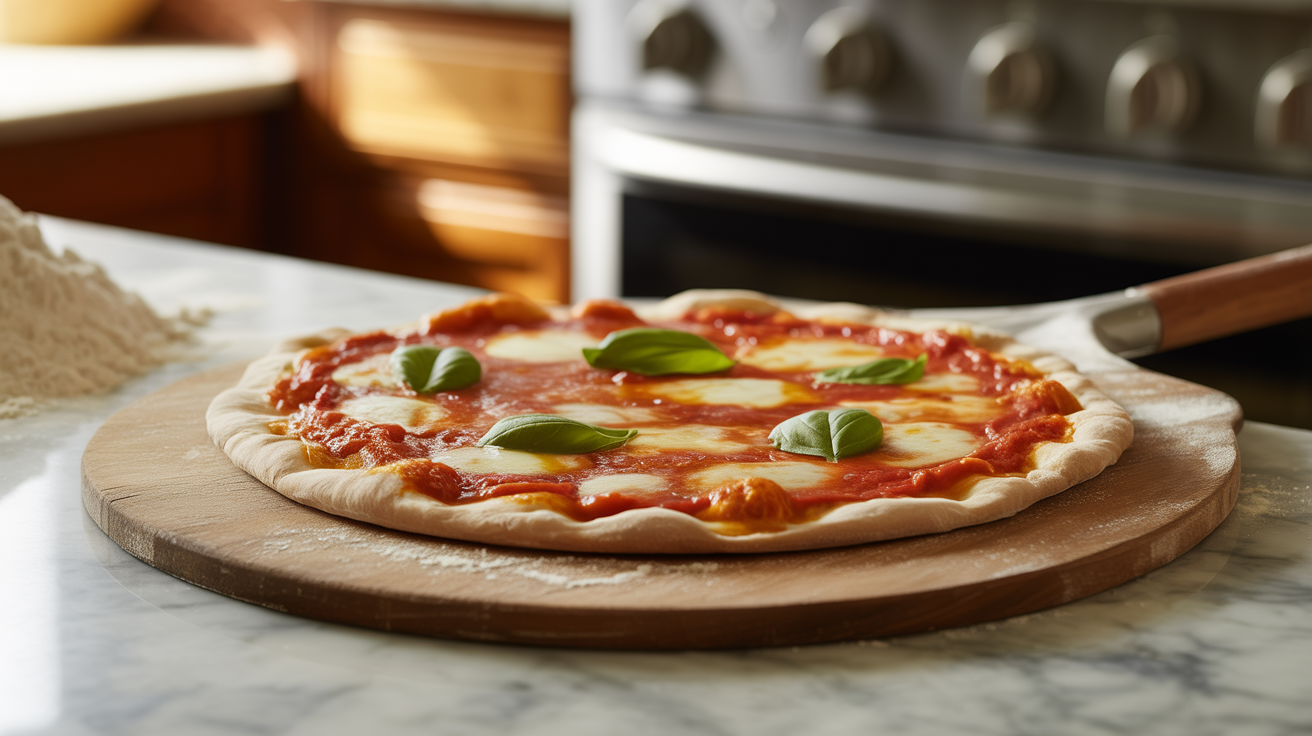
Ingredients for Homemade Thin Crust Pizza Dough
Here’s the exact list I use every time. It’s simple, but don’t underestimate the power of good ingredients. Quality flour and extra virgin olive oil make all the difference in flavor.
| Ingredient | Measurement |
|---|---|
| Bread flour (or all-purpose flour) | 3 cups (360 g) |
| Warm water (about 110°F / 43°C) | 1 cup (240 ml) |
| Instant yeast | 2 ¼ tsp (1 packet, 7 g) |
| Sugar (or honey) | 1 tsp |
| Salt | 1 ½ tsp |
| Extra virgin olive oil | 2 tbsp |
This recipe makes 2 medium 12-inch pizzas or 3 small ones.

Step-by-Step: My Foolproof Thin Crust Pizza Dough Recipe
I’ve broken this down so you can follow along even if it’s your very first time making pizza dough.
1. Wake up the yeast
In a small bowl, mix the warm water, yeast, and sugar. Give it a gentle stir and let it sit for 5–10 minutes. You’ll see bubbles forming — that’s how you know your yeast is alive and ready to work.
Tip: If nothing happens, toss it and start over with fresh yeast.
2. Mix the dough
In a large mixing bowl, combine the flour and salt. Make a well in the center, pour in the yeast mixture and olive oil. Stir with a wooden spoon until the dough starts coming together.
3. Knead until smooth
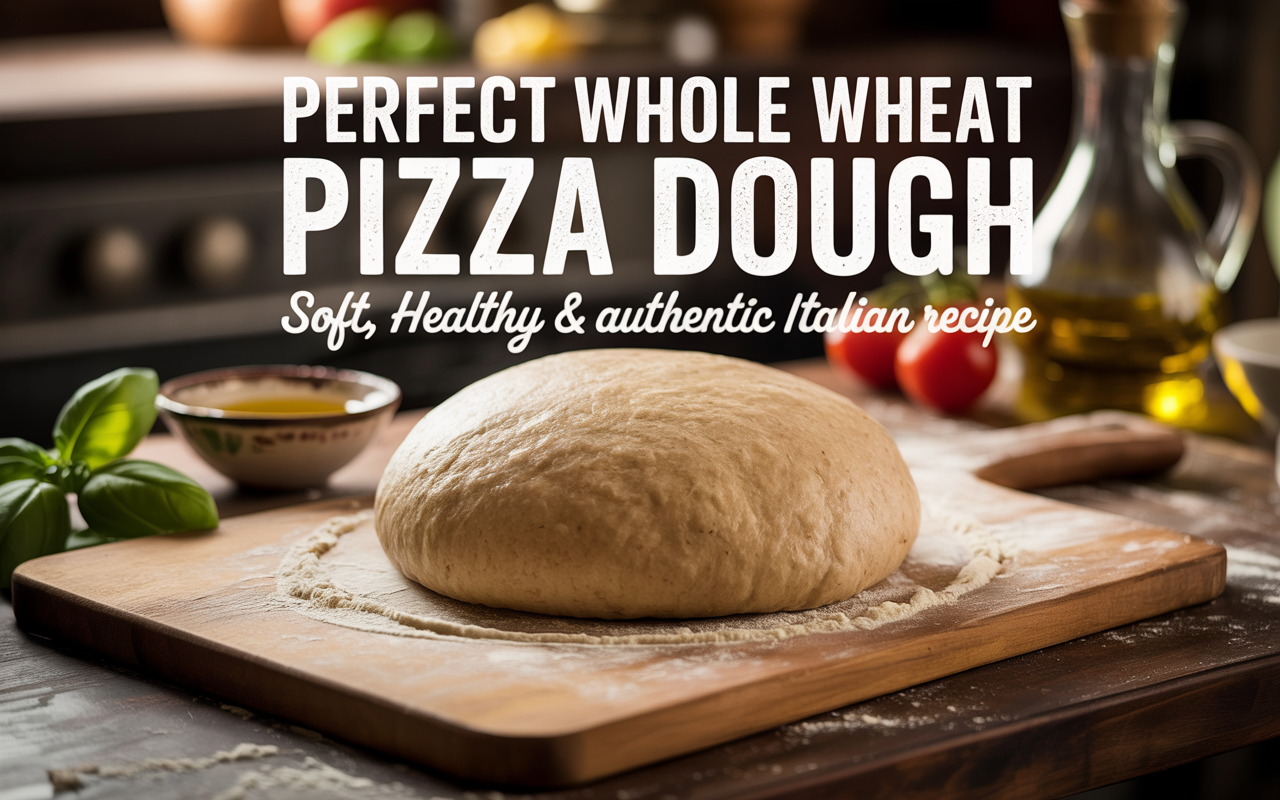
Transfer the dough onto a lightly floured surface. Knead for about 7–8 minutes until it’s smooth, elastic, and just a little tacky but not sticky. If the dough feels too wet, sprinkle in a touch more flour.
4. First rise
Place the dough in a lightly oiled bowl, cover with a kitchen towel, and let it rise in a warm spot for about 1 hour or until doubled in size.
5. Punch, divide, and shape
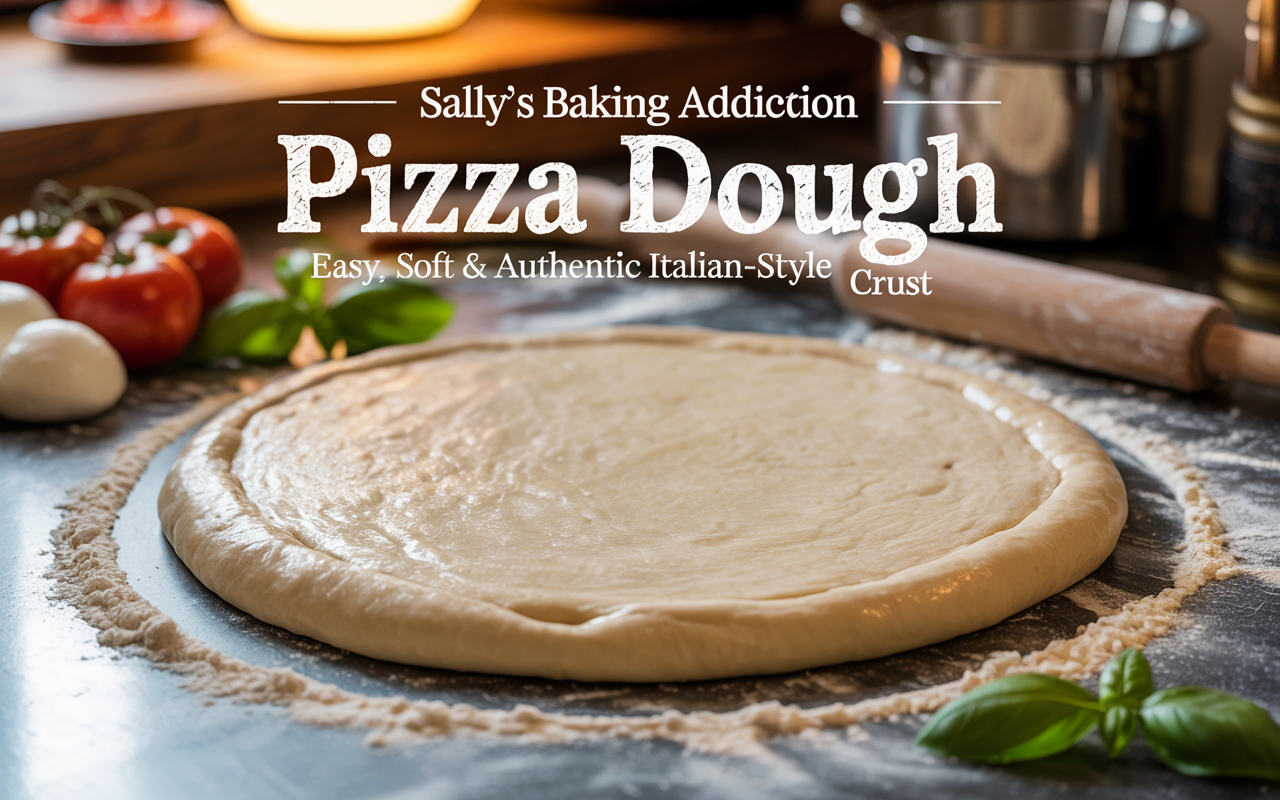
Once risen, punch the dough down gently to release air. Divide into two balls for medium pizzas. Roll each ball thinly — about ⅛ inch thick — on a floured surface. This is the secret to a perfectly crispy thin crust.
6. Pre-bake (optional but amazing)
For extra crunch, slide your rolled-out dough onto a hot pizza stone or baking sheet and pre-bake at 475°F (245°C) for 4–5 minutes before adding toppings.
7. Add toppings and bake
Top with your favorite sauce, cheese, and ingredients. Bake at 500°F (260°C) for 8–10 minutes, until the crust is golden brown and crisp on the edges.
8. Slice and enjoy
That moment when you cut into your homemade pizza and hear that crackle? Pure satisfaction.
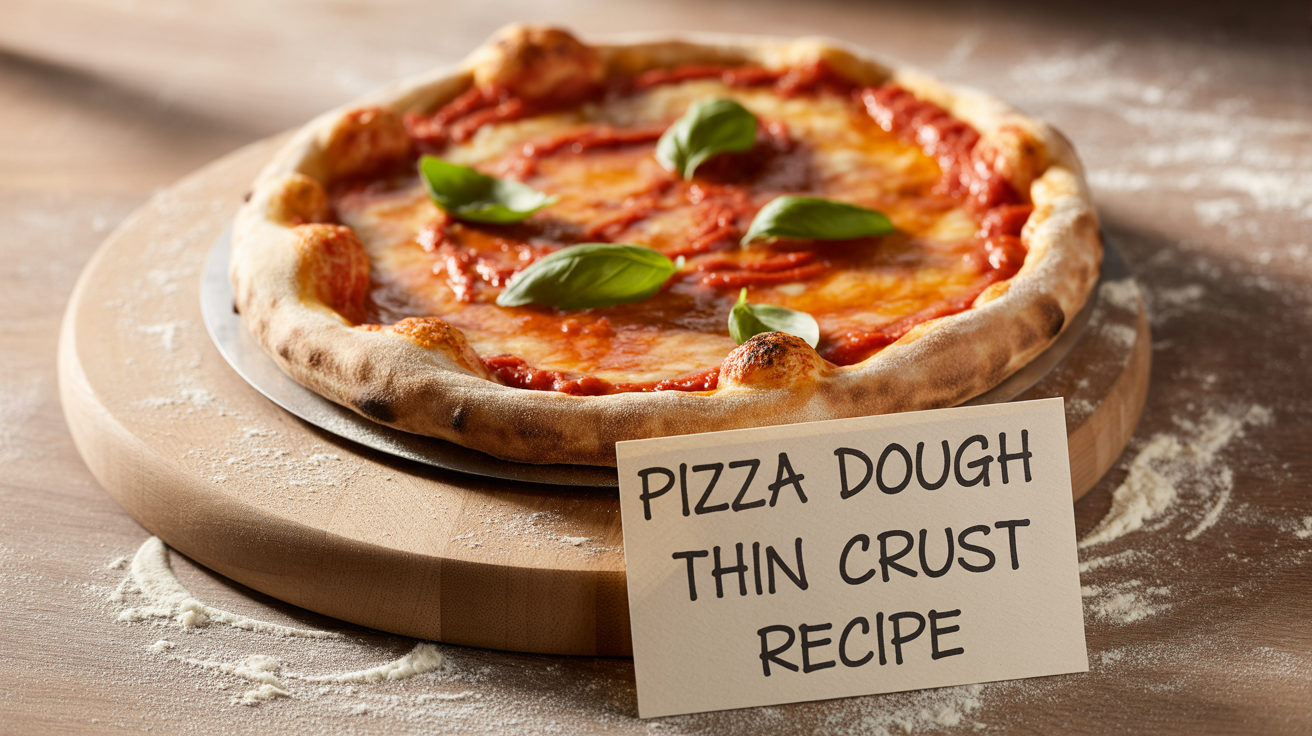
Tips & Tricks for the Best Thin Crust Pizza
- Flour matters: Bread flour gives the crust a chewier bite, but all-purpose works fine for beginners.
- Cold ferment for flavor: If you have time, let the dough rest in the fridge for 24–48 hours. The flavor deepens, and the texture becomes incredible.
- Use a pizza stone or steel: They mimic a brick oven, creating a perfectly crisp bottom crust. Preheat them for at least 30 minutes.
- Don’t overload toppings: Thin crust pizza shines when it’s simple. Too much sauce or cheese makes it soggy.
- Olive oil magic: Brushing the edges with olive oil before baking gives that golden, irresistible finish.
- Grill it: Yes, you can grill this dough! Roll it out, throw it directly on the grates, and flip after a minute before adding toppings.
Frequently Asked Questions
1. Can I make this pizza dough thin crust recipe without yeast?
Yes! You can substitute yeast with baking powder for a quick version, but it won’t have the same depth of flavor or airy texture.
2. What’s the difference between thin crust and regular pizza dough?
Thin crust dough uses the same ingredients but is rolled thinner and often baked at a higher temperature for crispiness.
3. How do I store leftover dough?
Wrap tightly in plastic wrap or place in an airtight container. It keeps in the fridge for up to 3 days or in the freezer for 2 months.
4. Why is my thin crust soggy in the middle?
Usually, it’s too much sauce or toppings. Try pre-baking your crust for a few minutes before adding heavy ingredients.
5. Can I make gluten-free thin crust pizza dough?
Yes, just swap the flour for a gluten-free blend. Add a bit of xanthan gum if your blend doesn’t already include it for elasticity.
Final Thoughts: Thin Crust Pizza Dreams Come True
Making your own pizza dough thin crust recipe at home isn’t just about cooking — it’s about the joy of creating something simple, rustic, and utterly delicious. Every time I roll out this dough, I’m reminded of why I fell in love with Italian cooking: fresh ingredients, bold flavors, and food that brings people together.
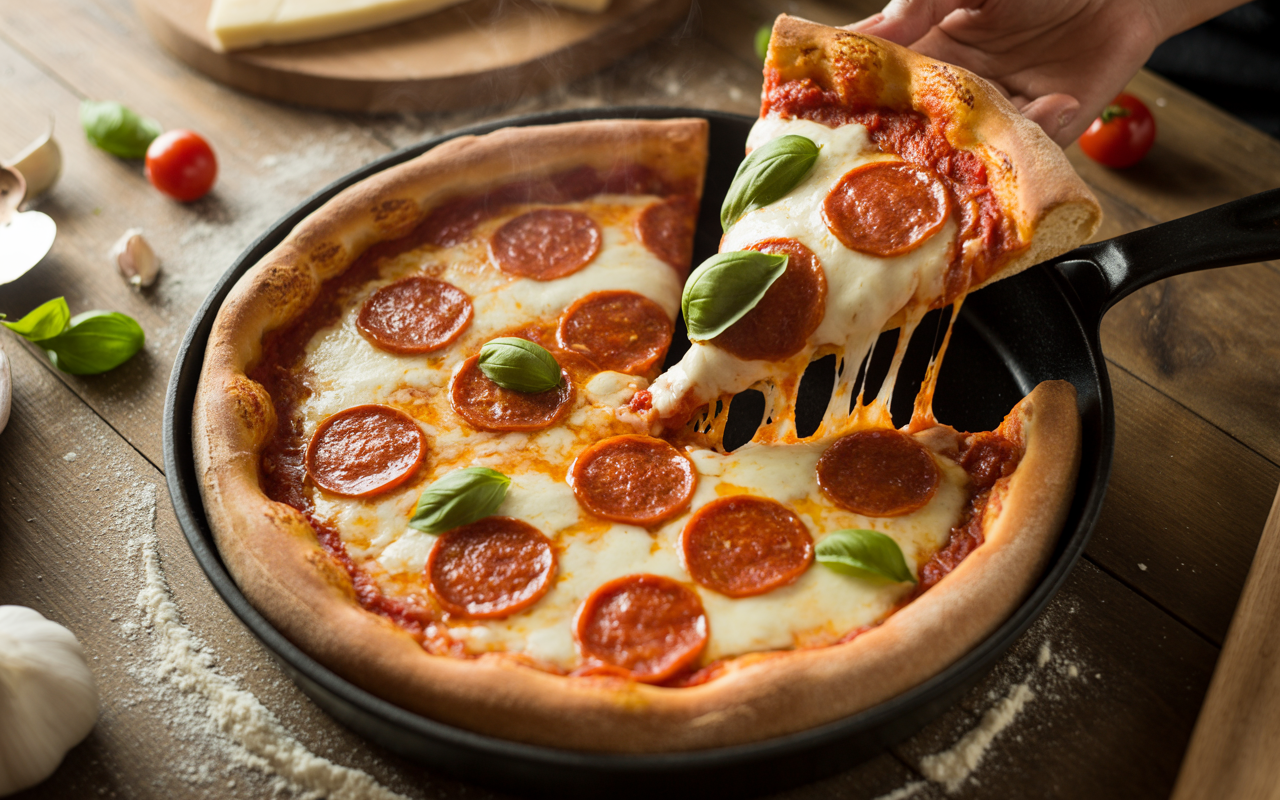
The best part? You’re in control. You decide how thin, how crispy, and what toppings make it yours. From a classic Margherita to a pepperoni-loaded pie or even a white pizza with garlic and ricotta, this crust is your blank canvas.
So, dust off that rolling pin, heat your oven, and get ready to impress yourself (and everyone lucky enough to share a slice). Once you taste the crackle of that first bite, I promise — you’ll never look at takeout pizza the same way again.
See Also: Pizza Dough Recipes Without Yeast | Quick & Easy Homemade Pizza