

The Best Pizza Base Recipe | Authentic Italian Dough at Home
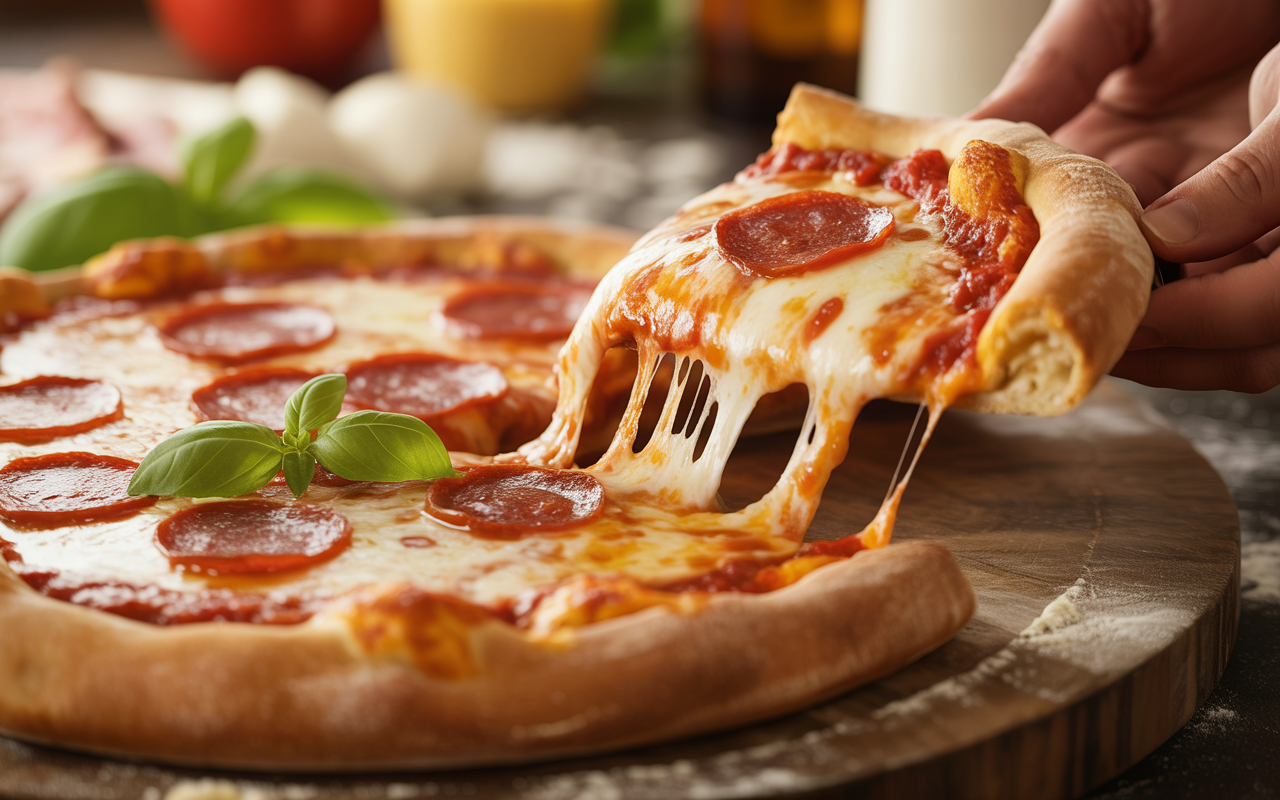
If you ask me what makes a great pizza unforgettable, I’ll tell you straight away: it’s the base. Forget the toppings for a moment—because without a strong foundation, even the freshest mozzarella or richest tomato sauce won’t save your pie. A pizza base is the soul of every slice, the chewy yet crisp stage where all the flavors come to life.
Over the years, I’ve kneaded, stretched, and baked more doughs than I can count. Some turned out flat as cardboard, others puffed into bread loaves instead of crusts. But after years of trial, error, and learning from Italian nonnas, I finally arrived at the best pizza base recipe—one that balances chewiness, airiness, and flavor.
This recipe will give you that golden edge, the gentle crunch, and the pillowy inside that defines true authentic Italian pizza dough. Ready to roll up your sleeves? Let’s dive in.
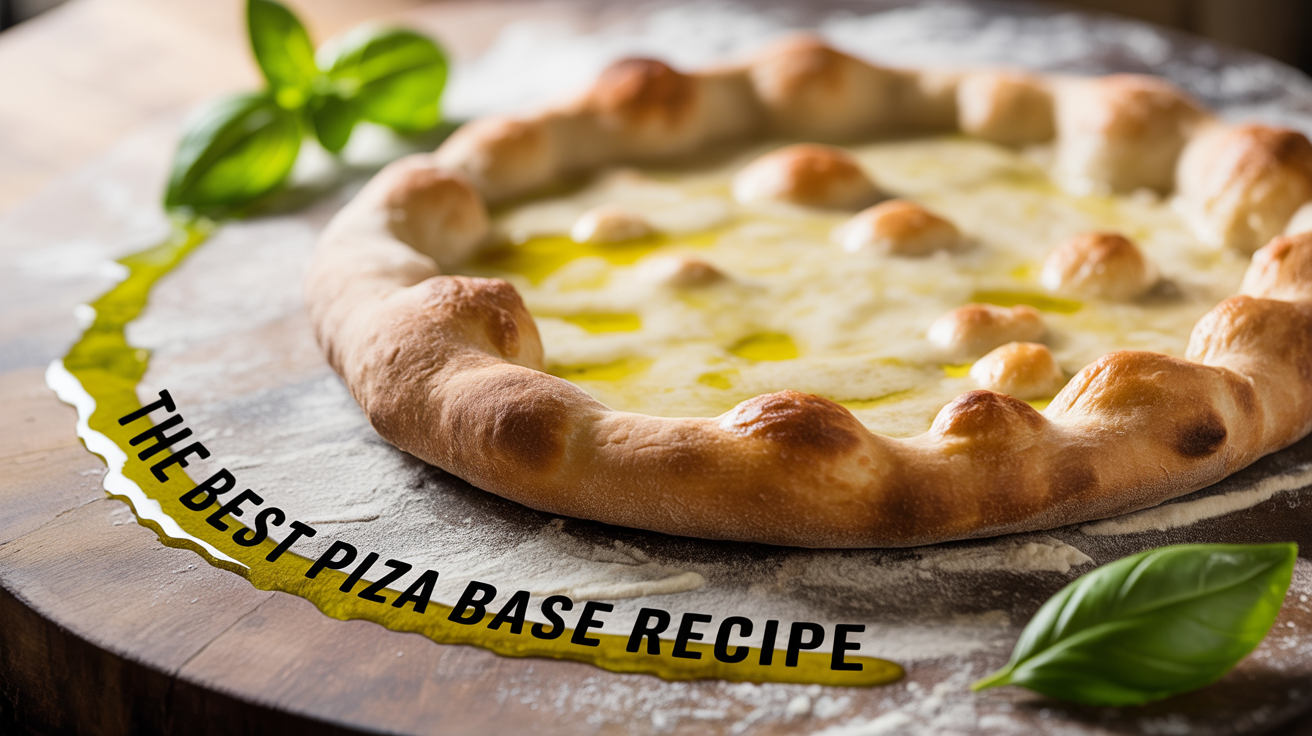
Ingredients for the Best Pizza Base
Here’s everything you need to craft the perfect dough. Measure carefully, but don’t be afraid to get your hands involved—the dough will tell you when it’s right.
| Ingredient | Measurement | Notes |
|---|---|---|
| Strong bread flour (Tipo 00 if possible) | 500 g (about 4 cups) | The finer the flour, the silkier your dough. |
| Lukewarm water | 325 ml (1 ⅓ cups) | Warm, not hot—think baby bath temperature. |
| Instant dry yeast | 7 g (1 packet or 2 tsp) | Or fresh yeast if you have it (15 g). |
| Fine sea salt | 10 g (2 tsp) | Never skip—salt controls fermentation and adds flavor. |
| Olive oil | 2 tbsp | Extra virgin for best flavor. |
| Sugar or honey | 1 tsp | Feeds the yeast for a good rise. |
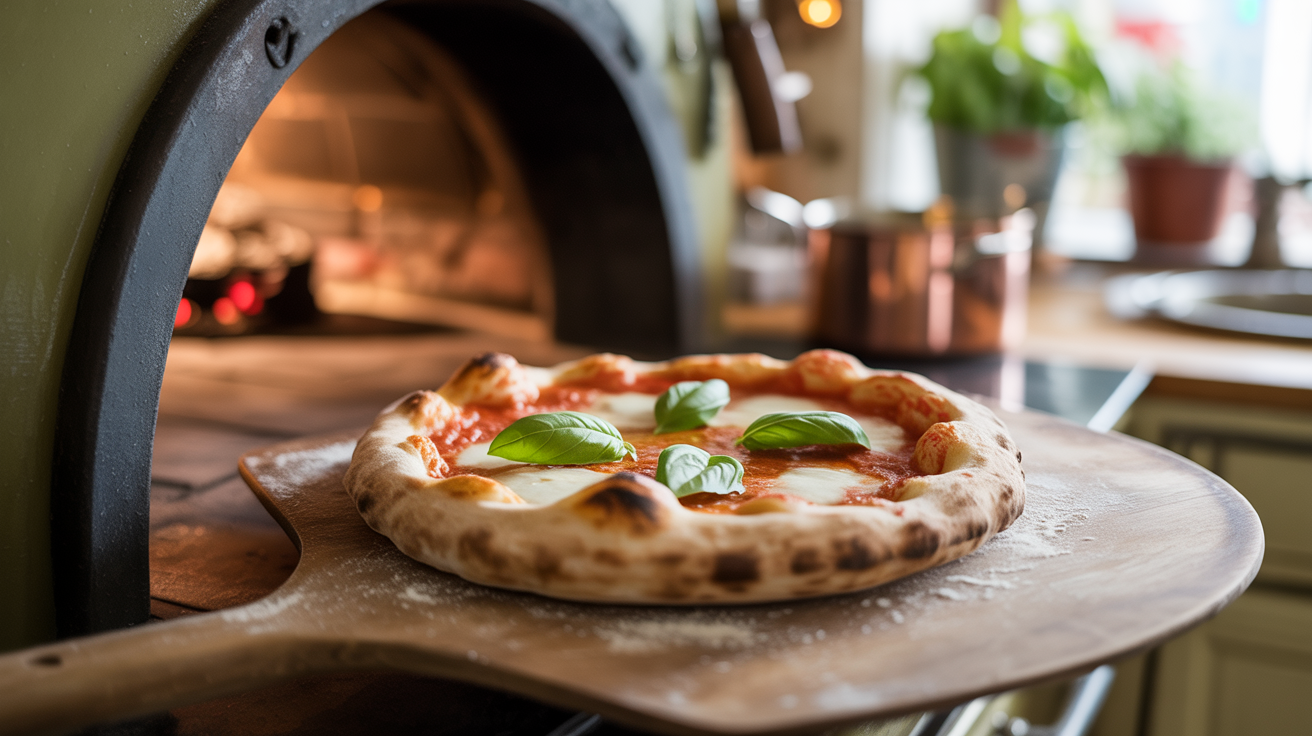
Step-by-Step Instructions
1. Activate the Yeast
In a small bowl, mix your yeast with lukewarm water and sugar (or honey). Let it sit for about 5–10 minutes until frothy. If it doesn’t bubble, your yeast may be inactive—start over with a fresh packet.
2. Mix the Dough
Place flour in a large mixing bowl. Make a well in the center and pour in the yeast mixture along with olive oil. Add the salt on the side (don’t dump it directly onto yeast—it can slow fermentation).
3. Knead to Perfection
Bring everything together with your hands or a wooden spoon. Once it starts forming a rough ball, turn it out onto a lightly floured surface. Knead for 8–10 minutes until smooth and elastic. If you press it with your finger, it should bounce back.
4. First Rise
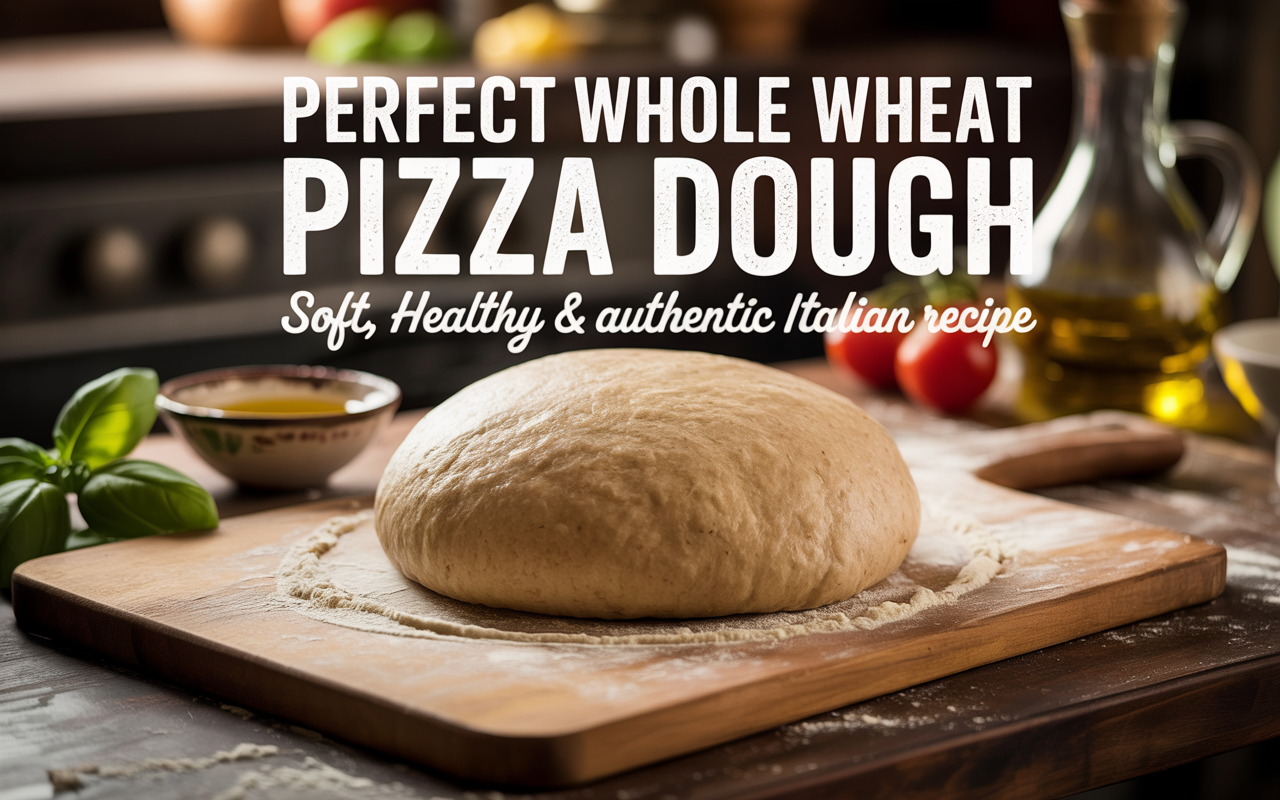
Lightly oil a bowl, place the dough inside, and cover with a damp cloth. Leave it somewhere warm for 1–2 hours, or until it doubles in size. Patience here pays off—the slower the rise, the better the flavor.
5. Punch Down and Shape
Once risen, punch down the dough to release air. Divide into 2–3 equal balls, depending on how large you want your pizzas. Cover again and let them rest for 20 minutes. This makes stretching easier.
6. Stretch and Top
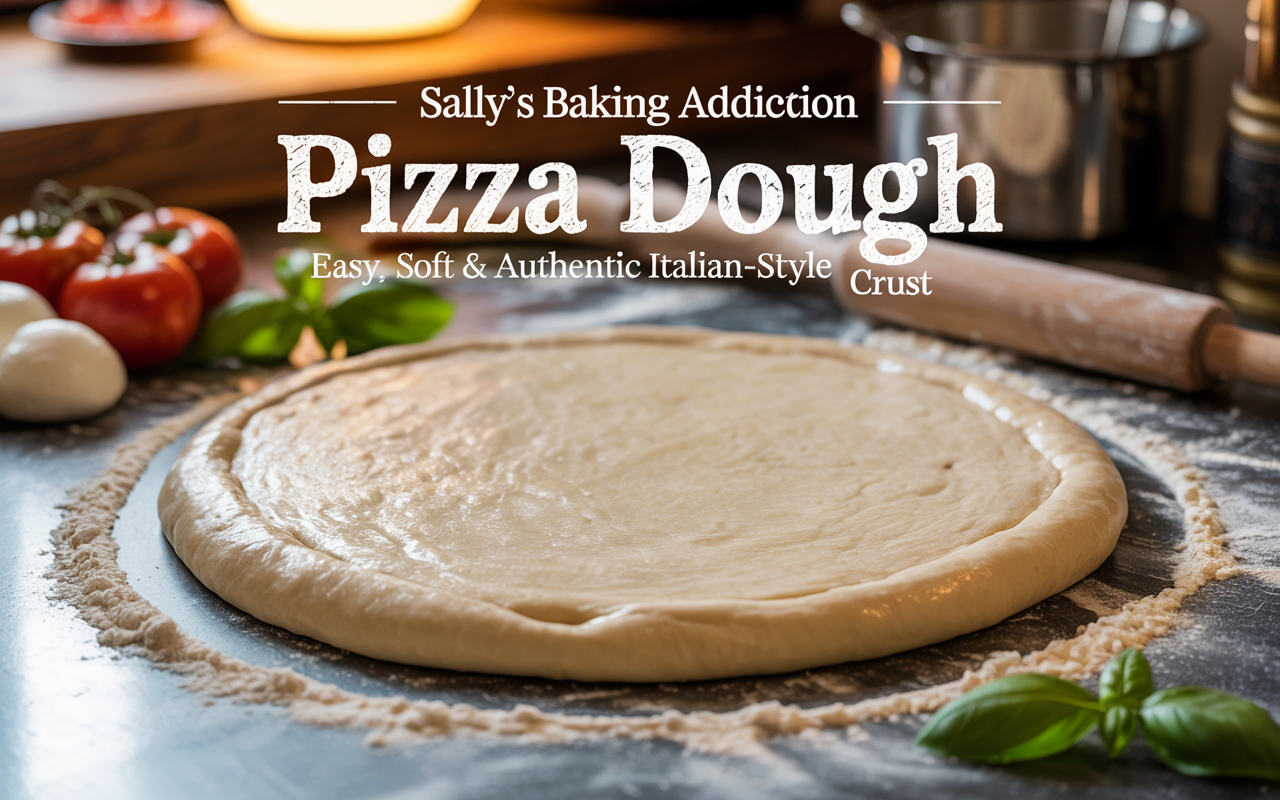
Dust your work surface with flour or semolina. Using your hands (never a rolling pin if you can help it), gently stretch the dough from the center outward. Aim for a thin base with slightly thicker edges.
7. Bake Like a Pro
Preheat your oven to the highest temperature it can go (250°C / 480°F if possible). Place a pizza stone or steel inside for at least 30 minutes before baking. Slide your topped pizza onto the stone and bake for 7–10 minutes, until puffed and golden.

Tips & Tricks for the Perfect Pizza Base
- Use strong bread flour or Tipo 00. The higher protein helps develop gluten, giving you that chewy structure.
- Cold fermentation makes magic. For deeper flavor, let the dough rest in the fridge for 24–48 hours instead of baking the same day.
- Hydration matters. Don’t be scared of a sticky dough—it means better air bubbles and lighter crust.
- Stretch by hand. Rolling pins press out all the lovely air pockets that make pizza bases airy.
- Crank up the heat. A scorching oven is non-negotiable for authentic texture.
FAQ: The Best Pizza Base Recipe
1. Can I use all-purpose flour instead of bread flour?
Yes, but the crust will be less chewy. If possible, go for bread flour or Italian Tipo 00 for authenticity.
2. How long can I store pizza dough?
Wrapped tightly, dough lasts up to 3 days in the fridge. You can also freeze it for up to 3 months—just thaw overnight before using.
3. Do I need a pizza stone?
Not essential, but highly recommended. If you don’t have one, use a heavy baking tray preheated in the oven.
4. Why is my pizza base dense instead of airy?
This usually happens if the dough wasn’t kneaded enough, if the yeast was old, or if the oven wasn’t hot enough.
5. Can I make this gluten-free?
You’ll need a special gluten-free flour blend with xanthan gum. The texture won’t be identical, but it’s still delicious.
Final Thoughts
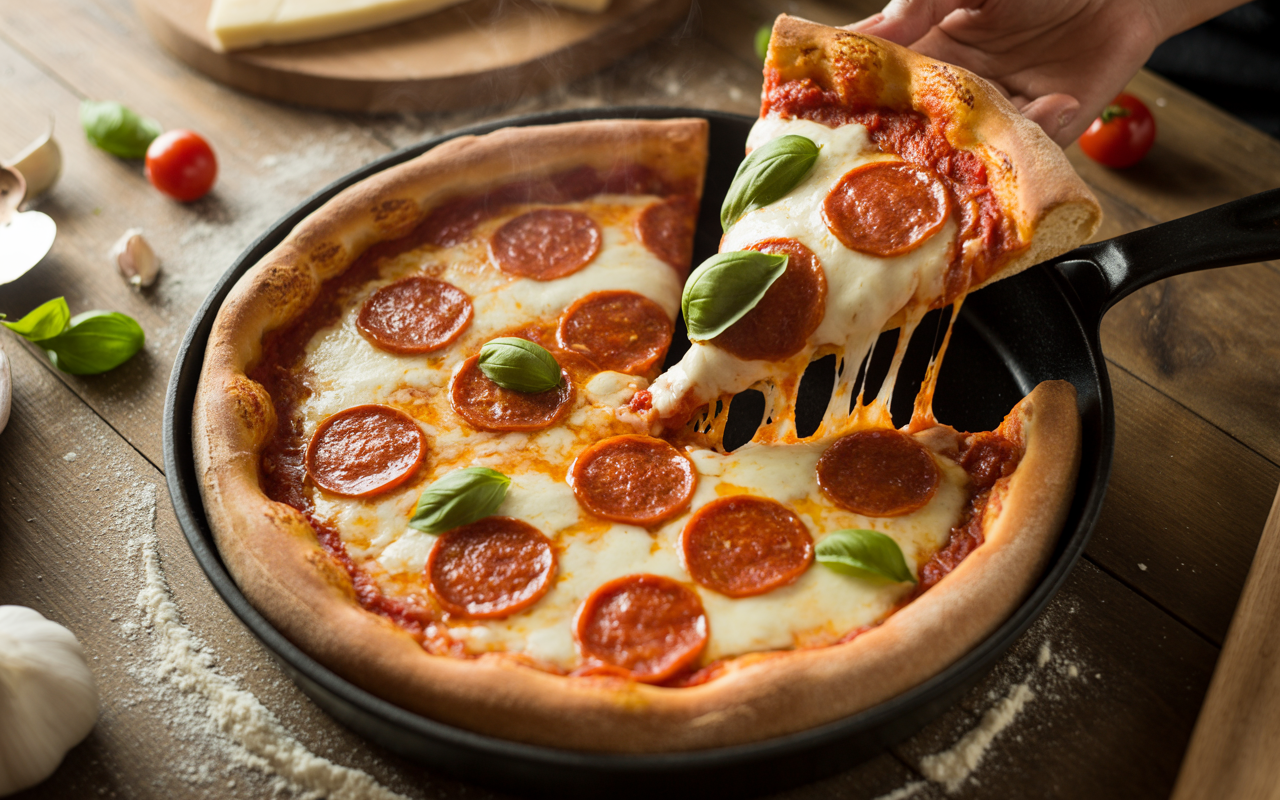
A great pizza doesn’t start with toppings—it starts with a beautifully made base. Once you master this dough, the world of pizza opens wide: margherita, pepperoni, quattro formaggi, even a simple garlic and olive oil pie.
Making pizza at home is messy, joyful, and deeply satisfying. Flour on your counter, the smell of yeast rising, the crackle as your pizza comes out of the oven—this is the magic of cooking. Trust me: once you try this, you’ll never settle for supermarket dough again.
So, roll up your sleeves, get your hands floured, and let’s make pizza night unforgettable—starting with the best pizza base recipe you’ll ever bake.
See Also: Spinach Pizza Recipe | Fresh, Creamy & Authentic Italian Style